


Finding Residential Painting near me in Brandon can be easier when homeowners understand what residential painting involves, what services are included, and how to evaluate a painting professional. A quality residential painting project is more than selecting a color. It involves surface preparation, choosing appropriate coatings, protecting furniture and flooring, applying paint correctly, and allowing enough time for drying and curing.
Whether you are refreshing one room or repainting an entire house, understanding the process can help you make informed decisions and avoid common problems.
What Is Residential Painting?
Residential painting refers to painting services performed inside or outside a home. It can include walls, ceilings, trim, doors, cabinets, siding, exterior surfaces, and other painted areas.
Residential painting generally falls into two categories:
- Interior painting: Walls, ceilings, bedrooms, kitchens, bathrooms, hallways, doors, and trim.
- Exterior painting: Siding, stucco, wood, concrete, doors, shutters, trim, and other outdoor surfaces.
The correct paint and preparation method depend on the surface, location, existing coating, weather exposure, and desired finish.
Why Does Residential Painting Matter?
A properly planned painting project can provide several practical benefits.
1. Improves Appearance
Fresh paint can make rooms look cleaner and more consistent. Color selection can also influence how spacious, bright, or comfortable a room feels.
2. Protects Surfaces
Exterior coatings can help protect surfaces from moisture, sunlight, and normal environmental exposure. Interior paint can provide a washable or durable surface, depending on the product selected.
3. Supports Maintenance
Painting provides an opportunity to identify surface problems such as cracks, peeling areas, stains, mildew, or damaged wood before they become more difficult to address.
4. Allows Personalization
Homeowners can use different colors and finishes to create specific moods or coordinate rooms with furniture and architectural features.
What to Look for When Searching for Residential Painting Services
When searching for Residential Painting near me in Brandon, homeowners should evaluate more than price. A professional approach should include a clear description of the work, preparation requirements, materials, estimated timeline, and cleanup responsibilities.
Consider these factors:
- Experience with residential properties
- References or examples of previous work
- Written estimates
- Clear preparation procedures
- Paint and primer specifications
- Project timeline
- Warranty information, when applicable
- Insurance and licensing requirements
- Cleanup procedures
- Communication throughout the project
A detailed estimate makes it easier to compare services because different companies may include different preparation tasks or materials in their pricing.

Interior vs. Exterior Residential Painting
Interior and exterior painting require different preparation methods and product considerations.
| Factor | Interior Painting | Exterior Painting |
|---|---|---|
| Main concern | Appearance and durability | Weather and surface protection |
| Common surfaces | Drywall, plaster, wood, trim | Stucco, siding, wood, concrete |
| Environmental exposure | Limited | Sun, rain, humidity, temperature changes |
| Preparation | Cleaning, patching, sanding | Cleaning, scraping, repairs, priming |
| Paint selection | Washability and finish | Weather resistance and adhesion |
| Timing | Often more flexible | Strongly affected by weather |
Homeowners looking for an Exterior painting company in Brandon should pay particular attention to surface preparation and the type of coating recommended for outdoor
conditions.
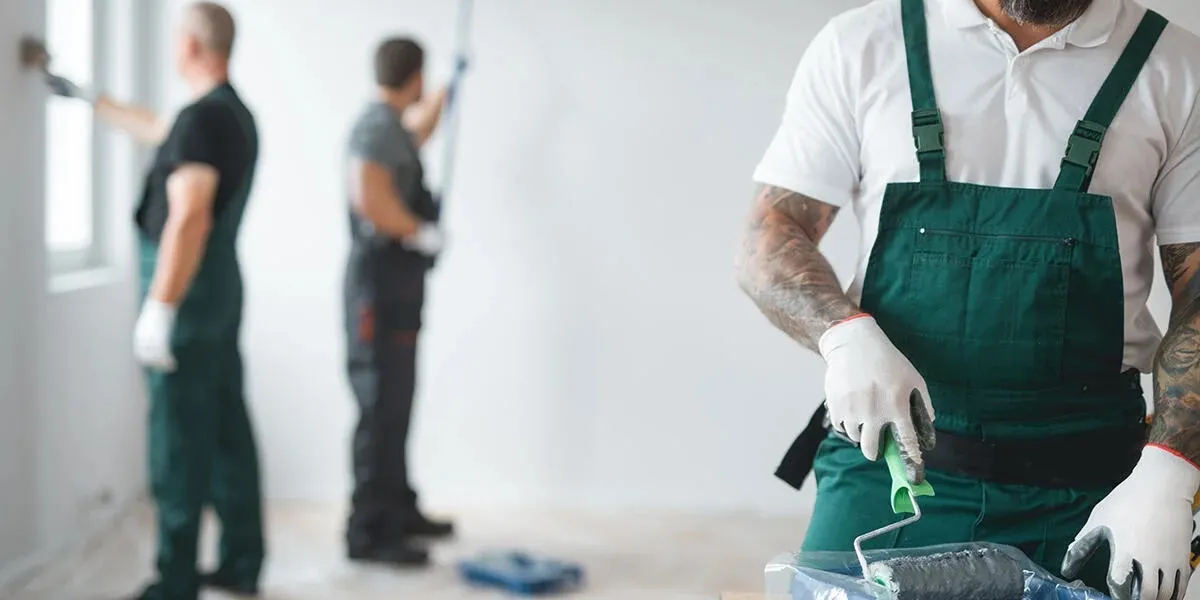
How the Residential Painting Process Works
Understanding the typical process helps homeowners know what to expect.
Step 1: Inspection
The painting area is inspected for peeling paint, cracks, stains, holes, moisture damage, or other surface conditions.
Step 2: Preparation
Preparation may include cleaning, sanding, scraping loose paint, filling holes, repairing cracks, and priming certain areas.
Preparation is one of the most important stages because paint generally performs better when applied to a clean and properly prepared surface.
Step 3: Protection
Furniture, flooring, fixtures, windows, landscaping, and other areas should be protected from paint splatter or accidental contact.
Step 4: Priming
Primer may be necessary when changing from a dark color to a lighter shade, painting a porous surface, covering stains, or working with certain repaired areas.
Step 5: Painting
Paint is applied using brushes, rollers, or appropriate spraying equipment. Multiple coats may be necessary depending on the paint, color, surface, and coverage requirements.
Step 6: Inspection and Cleanup
After painting, the finished surfaces should be inspected for missed areas, uneven coverage, drips, or other imperfections. Materials and protective coverings should then be removed, and the work area cleaned.
Common Residential Painting Mistakes
Even relatively simple painting projects can develop problems when preparation or product selection is overlooked.
Skipping Surface Preparation
Painting over dirt, dust, loose paint, or damaged surfaces can contribute to poor adhesion and an uneven appearance.
Choosing Paint Only by Color
Color is important, but homeowners should also consider sheen, durability, washability, moisture exposure, and the surface being painted.
Using the Same Product Everywhere
A product suitable for a bedroom wall may not be appropriate for an exterior surface or a high-moisture bathroom.
Applying Too Much Paint at Once
Heavy application can create drips, runs, uneven drying, and visible texture. Following manufacturer recommendations is generally better than trying to achieve coverage with one excessively thick coat.
Ignoring Weather Conditions
Exterior painting can be affected by rain, excessive humidity, extreme temperatures, and direct sunlight. Weather conditions should be considered before scheduling outdoor work.
Failing to Protect the Work Area
Paint can easily reach floors, furniture, fixtures, windows, and landscaping if adequate protection is not used.

Expert Tips for Better Painting Results
Homeowners can improve project outcomes by following several practical guidelines.
- Inspect surfaces before selecting paint.
- Repair cracks and damaged areas before painting.
- Clean surfaces thoroughly.
- Use primer when the surface or paint change requires it.
- Choose paint based on the room or exterior conditions.
- Test colors under different lighting conditions.
- Do not rush drying times between coats.
- Protect furniture, floors, and fixtures.
- Keep leftover paint properly labeled for future touch-ups.
- Ask for a written scope of work before the project begins.
For exterior projects, inspect areas around windows, doors, trim, and joints because these locations can experience additional moisture exposure.
Best Practices for Choosing a Residential Painter
When comparing Residential Painting near me in Brandon options, use a consistent evaluation process.
Compare Written Estimates
A useful estimate should explain what will be painted, what preparation is included, which materials will be used, and whether cleanup is included.
Ask About Preparation
Do not assume every estimate includes the same level of surface preparation. Ask whether sanding, scraping, caulking, patching, and priming are included.
Discuss Paint Products
The homeowner should understand the type of paint being proposed and whether it is designed for interior or exterior use.
Clarify the Timeline
Ask when preparation begins, how long painting is expected to take, and whether weather could affect exterior work.
Review the Final Inspection Process
A final walkthrough can help identify areas that require touch-ups before the project is considered complete.
People Also Ask
How much does residential painting cost in Brandon?
The cost depends on factors such as house size, number of rooms, surface condition, paint type, number of coats, preparation requirements, and accessibility. A written estimate is the best way to determine the expected project cost.
How often should a house be repainted?
There is no universal schedule. Interior and exterior surfaces may require repainting at different intervals depending on wear, exposure, paint quality, and surface condition.
Is primer always necessary?
No. Primer is not required for every project, but it can be useful for repaired, porous, stained, bare, or difficult surfaces and when making significant color changes.
What is the difference between interior and exterior paint?
Exterior paint is formulated to withstand outdoor exposure, while interior paint is generally designed around factors such as appearance, cleaning, and indoor durability.
How long does a residential painting project take?
The timeline depends on the size and condition of the property, the number of coats, preparation requirements, drying conditions, and whether the work is interior or exterior.
Frequently Asked Questions
1. Should homeowners get multiple painting estimates?
Yes. Comparing multiple detailed estimates can help homeowners understand differences in preparation, materials, labor, and project scope rather than comparing price alone.
2. What should be included in a painting estimate?
An estimate should ideally identify the surfaces being painted, preparation work, paint products, number of coats, approximate timeline, cleanup, and total expected cost.
3. Can damaged surfaces be painted immediately?
Usually, damaged areas should be repaired and properly prepared before painting. Painting over unresolved surface problems may result in an uneven or short-lived finish.
4. What paint finish is best for bedrooms?
The appropriate finish depends on personal preference, cleaning needs, and the condition of the walls. Common choices include eggshell or satin finishes because they can balance appearance and practical durability.
5. Can exterior painting be completed during any season?
Exterior painting depends on temperature, precipitation, humidity, and product requirements. The manufacturer's recommended application conditions should be followed.
6. How can homeowners maintain newly painted surfaces?
Regular dusting and gentle cleaning can help maintain interior painted surfaces. Exterior surfaces should be inspected periodically for dirt, peeling, cracks, moisture issues, or other signs of wear.
Choosing Residential Painting near me in Brandon should involve more than finding the closest or least expensive option. Homeowners should consider preparation, materials, surface conditions, project scope, communication, and expected results.
A well-planned residential painting project starts with a careful inspection, uses products appropriate for the surface, and allows sufficient time for preparation and application. By understanding these fundamentals, beginners can compare painting services more confidently and make decisions based on quality, durability, and overall project requirements.
For homeowners seeking professional guidance for residential painting projects, Original Florida Painting can be considered as one local service provider.
2556 Brimhollow Dr, Valrico, FL 33596, United States
1+8138608661






























Sign in to leave a comment.