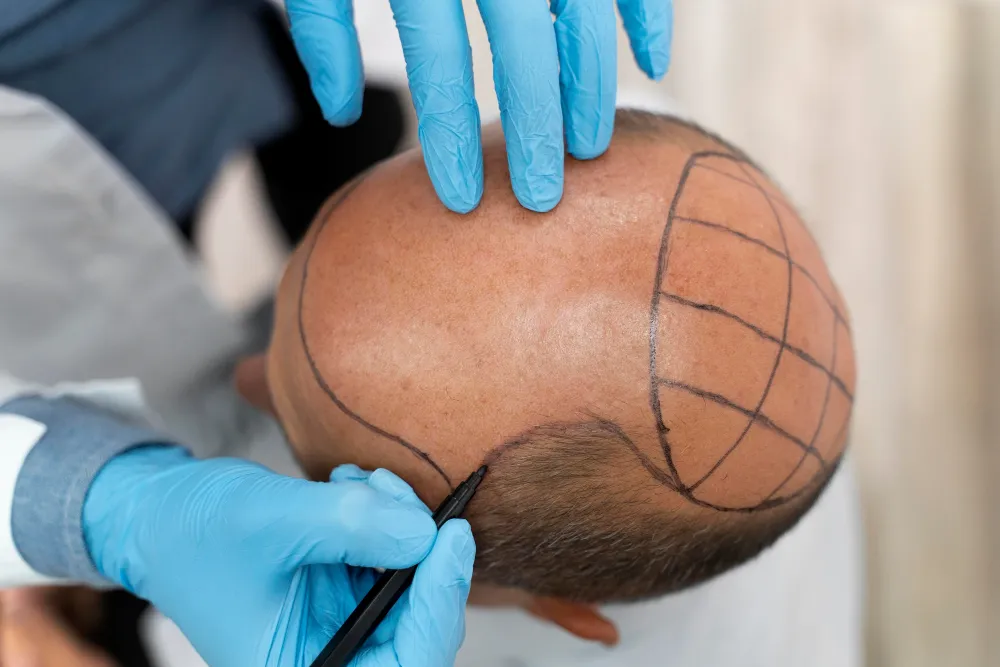

A receding hairline can gradually change the appearance of the forehead, temples, and overall facial proportions. As the front hair becomes thinner, individuals may find that hairstyles become more difficult to maintain or that previously familiar facial framing changes. For those considering DHI for receding hairline concerns, direct implantation can provide an option for placing selected follicles into areas affected by recession. Careful planning is essential because the hairline needs to complement facial structure, existing growth, and future hair loss patterns. A personalised assessment can help establish realistic expectations and appropriate restoration goals.
Understanding Receding Hairlines
A receding hairline can develop gradually and may affect the temples, frontal region, or both sides of the scalp. The pattern and rate of recession vary between individuals, making personal assessment important before considering restoration. Some people may retain strong central growth while experiencing significant temple recession, whereas others may have broader frontal thinning. Understanding the current pattern can help determine which areas may require attention. A professional assessment can also consider existing density, donor availability, and potential future progression. These factors help create a restoration strategy based on individual characteristics rather than relying on a standard hairline design.
Understanding DHI Hair Restoration
Direct hair implantation is a technique that places selected follicular units into recipient areas using an implantation device. The approach allows careful consideration of the position, direction, and spacing of individual follicles. For a receding hairline, this can be useful because the frontal region requires detailed planning to create a natural transition between existing and restored hair. The technique does not eliminate the importance of professional judgement. Hairline design, donor assessment, follicle selection, and treatment planning remain essential. Understanding how DHI works can help individuals develop realistic expectations about its role in restoring areas affected by recession.
Designing a Natural Hairline
Hairline design is one of the most important aspects of restoring frontal hair. A natural hairline generally contains subtle irregularities rather than a perfectly straight boundary. Its position should also correspond with facial proportions, age, existing hair characteristics, and potential future hair loss. During planning, the practitioner may assess the forehead, temples, facial shape, and remaining frontal hair. Appropriate density and follicle direction can then be considered to create a gradual transition. A carefully designed hairline can help restored follicles blend with existing growth and produce a result that looks consistent with the individual's facial characteristics.
Addressing Temple Recession
Temple recession can significantly affect the shape of the frontal hairline because the temples help connect the forehead with the sides of the scalp. When these areas become sparse, the hairline may appear increasingly open or uneven. DHI can be considered for selected temple areas where additional follicles may improve continuity. Careful placement is particularly important because temple hairs tend to grow at specific angles and directions. The objective is generally to restore appropriate coverage without creating excessive density. Strategic treatment can help reconnect the frontal region with the sides while maintaining a natural transition around the temples.
Considering Hair Direction
Hair direction plays an important role in making restored hair appear natural. Frontal hairs typically grow at specific angles that change gradually across the hairline and temples. If newly implanted follicles are placed at inappropriate angles, they may appear more noticeable than surrounding growth. DHI allows individual follicles to be positioned with attention to direction and spacing. Careful planning can therefore help reproduce the natural pattern of the existing hairline. Considering these details is particularly important in visible frontal areas because small differences in angle can influence how successfully transplanted follicles integrate with surrounding native hair.
Assessing Donor Hair Availability
Donor hair availability influences how much frontal restoration can realistically be achieved. Follicles are generally collected from areas that are more resistant to common hair loss patterns, but donor density varies between individuals. Thickness, follicular characteristics, scalp condition, and the size of the treatment area can all affect planning. A detailed assessment can determine whether sufficient follicles may be available for the desired hairline improvement. Because donor resources are limited, treatment planning should prioritise areas where additional growth may provide the greatest visual benefit. This can help create a sustainable approach while considering possible future hair loss.
Considering Facial Proportions
The relationship between the hairline and facial features can influence the overall appearance of the restored result. Forehead height, facial length, temple structure, and existing hairline position can all contribute to the way the face is visually framed. A hairline that is positioned without considering these factors may appear less natural. Treatment planning can therefore focus on creating a position that complements the individual's existing features. Facial proportions should be considered alongside donor availability and future hair loss. This helps ensure that restoration aims for appropriate balance rather than simply lowering or reshaping the hairline as much as possible.
Understanding Hair Density
Density expectations should be based on individual circumstances rather than an assumption that the restored area can reproduce the density of naturally growing hair. The number of available donor follicles, size of the receding area, thickness of existing hair, and desired hairline design all influence achievable coverage. Strategic placement can help create the visual impression of greater density while preserving available donor resources. Individuals should understand that increasing density does not always require filling every area equally. A carefully planned distribution can provide a natural transition while maintaining a practical approach to limited donor follicles.
Recovery After DHI Treatment
Recovery following DHI treatment requires time for the scalp to settle and the implanted follicles to establish themselves. Temporary redness, swelling, sensitivity, or small crusts may appear during the early period, although experiences vary between individuals. Newly implanted hairs can also pass through temporary shedding before entering a later growth phase. Professional aftercare instructions should be followed carefully to protect the treated area during recovery. Individuals should understand that early changes do not represent the final outcome. Hair growth develops gradually, so patience is important while the follicles establish themselves and mature growth becomes increasingly visible.
Understanding Long Term Hair Loss
Hairline restoration should be planned with possible future hair loss in mind. Transplanted follicles may continue growing while untreated native hairs around them can potentially become thinner over time. If future progression is not considered, the balance between restored and existing hair may change. During assessment, factors such as current recession, age, donor resources, and overall hair loss pattern can help inform long term planning. Individuals should discuss these considerations before treatment. Strategic use of donor follicles may help support a more sustainable restoration plan while allowing future changes to be considered as part of the overall approach.
Maintaining the Restored Hairline
Once transplanted follicles have matured, regular grooming can help maintain the preferred hairstyle and overall appearance. Hair can generally be trimmed and styled according to professional guidance and personal preferences. Individuals may choose different lengths depending on their lifestyle and desired appearance. Monitoring the surrounding native hair can also be useful because existing hair may continue to change over time. Maintaining a realistic understanding of future hair loss is important because transplantation does not necessarily stop thinning in untreated areas. A long term approach can help individuals adapt their hairstyle and seek professional guidance if further changes become noticeable.
Setting Realistic Expectations
Realistic expectations are essential when considering DHI for a receding hairline. The final outcome can be influenced by donor availability, existing hair characteristics, scalp condition, follicle survival, treatment area, healing, and future hair loss. Individuals may not achieve identical density or coverage because each person's circumstances differ. A professional consultation can explain potential limitations and provide a realistic overview of expected growth. Understanding that hair restoration is a gradual process can also help individuals prepare for temporary changes during recovery. Clear expectations can support more informed decisions about whether DHI is suitable for their particular hairline concerns.
Planning a Personalised Hairline Restoration
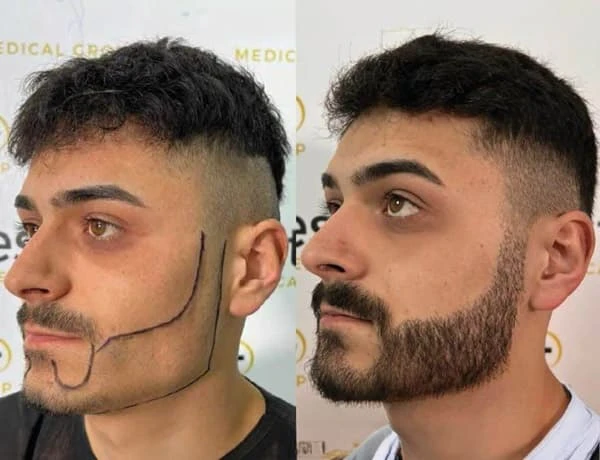
A personalised restoration plan considers the existing hairline, temple recession, facial proportions, donor resources, hair direction, density, and future progression. The treatment can prioritise areas where additional follicles may provide the greatest visual improvement. Careful planning is especially important around the frontal edge because the hairline is highly visible. The proposed design should complement the individual's facial structure while maintaining a natural transition into existing hair. Consultation can also provide an opportunity to discuss recovery, aftercare, expected growth, and long term considerations. This preparation helps create a clearer understanding of what DHI may realistically achieve.
Choosing Professional Guidance
Professional assessment can help individuals understand whether DHI is an appropriate option for their receding hairline. During consultation, factors such as hair loss history, donor density, existing frontal hair, desired hairline shape, and potential future progression can be evaluated. Individuals may also wish to ask about the implantation technique, recovery process, aftercare, and expected timeline for growth. A detailed assessment provides an opportunity to address questions before treatment begins. Understanding both the potential benefits and limitations of the procedure can help individuals make informed decisions based on their personal circumstances rather than relying solely on general treatment claims.
Conclusion
Restoring a receding hairline requires careful consideration of facial proportions, hair direction, donor availability, density, recovery, and potential future hair loss. DHI provides a method for placing selected follicles with attention to individual positioning, which can be useful when treating visible frontal areas. However, treatment suitability and expected outcomes vary between individuals, making personalised assessment essential. Individuals considering hairline restoration can benefit from understanding the complete process before proceeding. Those seeking further information about personalised DHI options can consult Este Medical Group Cosmetic Surgery to discuss their hair loss pattern, restoration goals, donor resources, and suitable treatment considerations.




















Sign in to leave a comment.