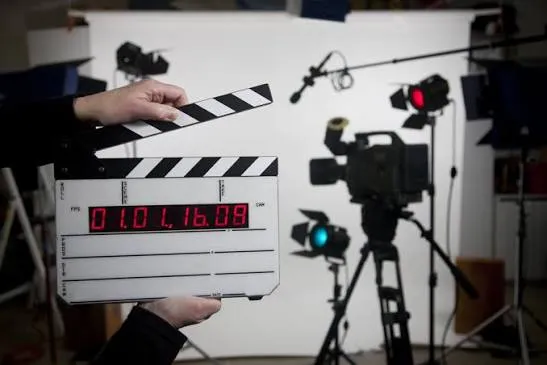


Legacy film and television catalogs represent the bedrock value of the world premier entertainment studios. Deep back catalogs containing beloved classic sitcoms, vintage sci fi adventures, and historical theatrical dramas provide streaming platforms with reliable viewer retention and continuous engagement. However, making vintage programming appealing to modern consumers requires far more than simply rescanning original film negatives into modern four K video masters. The promotional artwork used to showcase these classic properties must also undergo dramatic revitalization.
When subscribers browse modern digital streaming interfaces on large screen ultra high definition displays, visual assets are subjected to intense scrutiny. Promotional materials that were originally produced decades ago for small newspaper ads, low resolution home video boxes, or vintage lobby cards look blurry, grainy, and faded on modern screens. If studios want modern audiences to click on classic content, they must restore and expand their archival promotional art to meet modern digital display standards.
The Realities and Limitations of Archival Source Assets
Archival marketing materials often present significant technical and aesthetic obstacles for modern production teams. Studios frequently uncover master artwork that has suffered decades of physical degradation or assets that only exist as flattened, low resolution composite scans. Common archival issues include:
- Severe physical wear such as surface scratches, fold creases, and color fading on printed paper assets
- Completely flattened layers where original title text sits permanently embedded over the underlying character imagery
- Low resolution photographic prints that lack the digital pixel density required for modern four K or eight K banners
- Narrow aspect ratios that cannot fill wide panoramic streaming carousels without awkward cropping
Overcoming these severe limitations requires an exceptional blend of digital artistry, historical preservation ethics, and technical skill. Artists cannot simply apply generic blurring filters or automated sharpeners, which introduce unsightly digital artifacts and erase authentic photographic grain. Each vintage asset demands careful digital restoration to revive its original beauty while honoring the historical aesthetic of the production.
Techniques for High Fidelity Asset Restoration and Canvas Expansion
Modern digital restoration artists utilize advanced restoration workflows to breathe new life into vintage promotional media. The process begins with ultra high resolution drum scanning of the best available physical source materials, capturing every subtle detail of the original print.
Once digitized, artists painstakingly repair physical tears, remove dust specks, and correct decades of chemical color decay. When layered working files are missing, restoration teams manually separate background elements from foreground actors, digitally repainting concealed areas to reconstruct clean, multi layered digital masters. Specialists such as 360 Solutions deliver this level of dedicated asset restoration, transforming degraded archival stills and legacy key art into studio grade assets that integrate seamlessly across modern streaming platforms.
Canvas expansion represents another vital technique in modern catalog preservation. Vintage posters were designed almost exclusively in vertical orientations, whereas modern connected television interfaces prioritize wide, panoramic hero carousels. Skilled digital artists responsibly extend painted backgrounds, sky textures, and environmental scenery beyond the original boundaries of the vintage frame. This painstaking expansion enables studios to display classic properties in contemporary panoramic layouts without cropping out essential character photography.
The Role of Responsible Artificial Intelligence in Preservation
Modern machine learning algorithms have emerged as powerful tools within the digital restoration pipeline. Artificial intelligence models can assist artists in expanding expansive background textures, eliminating unwanted visual noise, and generating plausible high frequency detail in low resolution scans.
However, the application of artificial intelligence in catalog restoration must remain strictly disciplined and responsible. Unchecked artificial intelligence generation can distort historical likenesses, add bizarre visual elements, or violate foundational intellectual property rights. Modern studios establish strict guidelines ensuring that machine learning tools serve only as digital paintbrushes under the direct control of experienced human artists.
Human illustrators oversee every step of the restoration process, ensuring that actor likenesses remain authentic, vintage wardrobe textures look natural, and the original artistic vision remains completely uncompromised. Responsible technology accelerates the restoration timeline while preserving the historic integrity of original studio properties.
Enhancing Commercial Longevity Through Visual Rejuvenation
Investing in archival artwork restoration yields substantial commercial dividends for entertainment rights holders. When legacy catalog titles are presented with vibrant, razor sharp promotional visuals, they immediately attract younger generations of streaming subscribers who might otherwise bypass dated imagery.
Furthermore, revitalized master artwork simplifies future licensing agreements and cross platform syndication deals. By maintaining comprehensive, high resolution master libraries containing cleanly separated layers and extended panoramic layouts, studios ensure their classic properties stand ready for immediate deployment on any current or future viewing platform. Preserving and restoring legacy entertainment artwork is both an act of cultural stewardship and a brilliant commercial strategy that keeps classic stories alive for generations to come.






















Sign in to leave a comment.