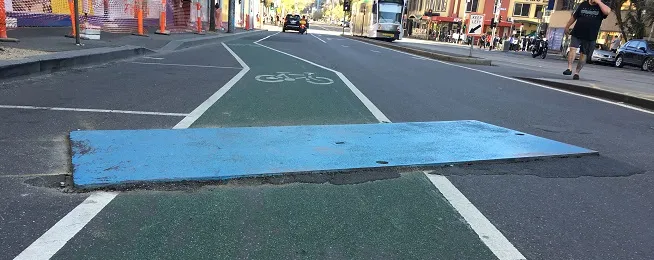

Construction and excavation work across Sydney often requires temporary solutions to maintain safe access around trenches, pits, and other ground openings. Road plates Sydney are widely used for these situations, providing a strong temporary covering where appropriately specified and installed.
From utility upgrades and civil construction to roadworks and infrastructure projects, steel road plates can help contractors manage excavations while work progresses. However, choosing the right plate involves considering more than dimensions and price. Thickness, load requirements, ground conditions, handling, and installation all play an important role.
What Are Road Plates?
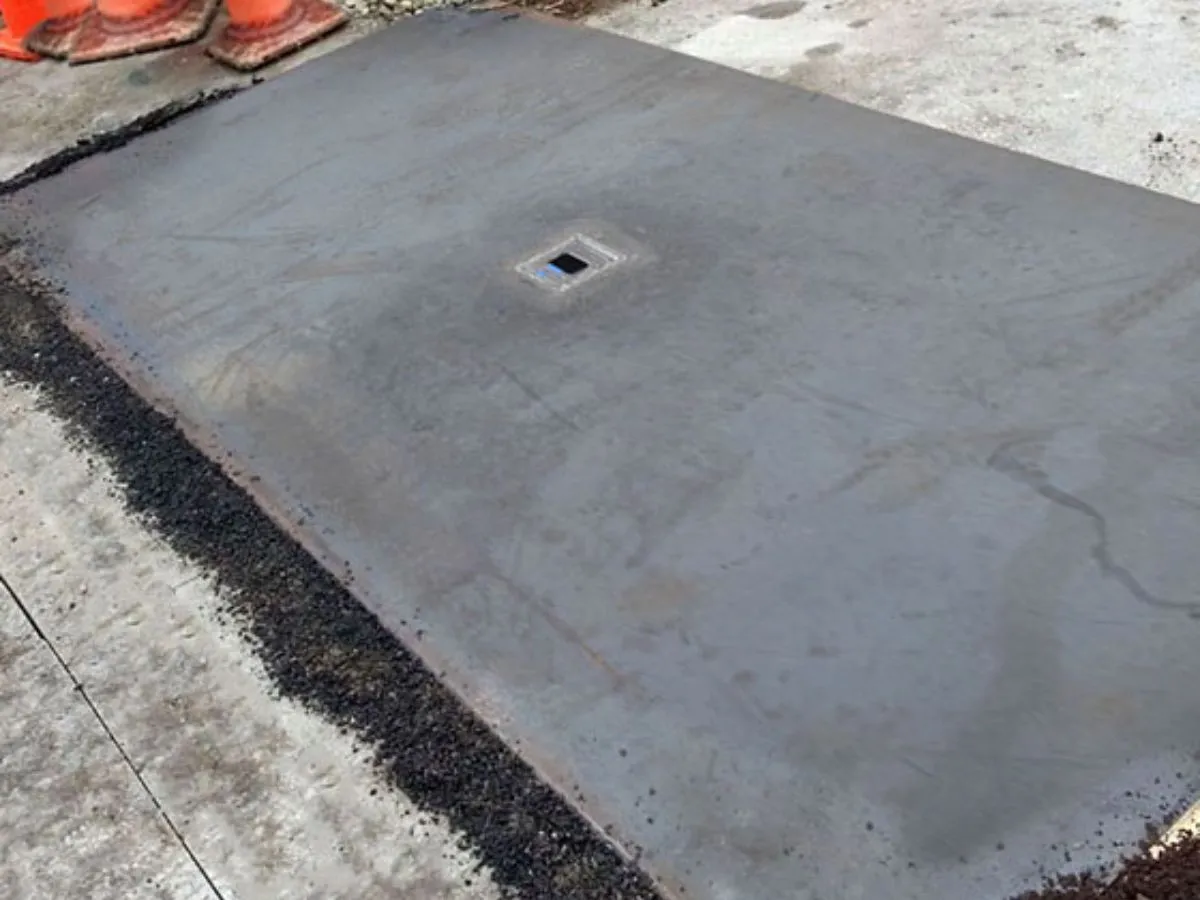
Road plates are heavy-duty steel plates designed to temporarily cover excavations, trenches, pits, and openings. They create a temporary surface over an opening and can help maintain access for pedestrians or vehicles when the plate and installation are suitable for the expected conditions.
They are commonly used by contractors working on:
- Road construction and maintenance
- Drainage and utility projects
- Water and sewer infrastructure
- Telecommunications installation
- Electrical works
- Civil construction
- Commercial developments
- Residential construction
The appropriate road plate should always be selected according to the specific site and engineering requirements.
Why Are Road Plates Important in Sydney?
Sydney has ongoing construction, infrastructure upgrades, and utility projects throughout residential, commercial, and industrial areas. Excavation work can temporarily interrupt roads, driveways, footpaths, and other access routes.
A suitable road plate can provide temporary coverage over an excavation, helping contractors manage access and minimise disruption where appropriate.
For example, a utility contractor may need to leave a trench open overnight while waiting for the next stage of work. A correctly specified plate can provide temporary coverage while the excavation remains part of the active construction area.
However, a road plate should not be viewed as a substitute for proper excavation protection or site safety controls. Its suitability depends on the site conditions and intended use.
Choosing the Right Road Plate
Selecting the correct road plates Sydney solution requires careful consideration of several factors.
Plate Dimensions
The plate should be large enough to provide adequate coverage over the excavation while maintaining sufficient bearing or support around the opening.
Before ordering, contractors should accurately measure the excavation and assess the surrounding surface. The required plate dimensions may differ depending on whether the opening is located in a road, driveway, construction site, or pedestrian area.
Thickness
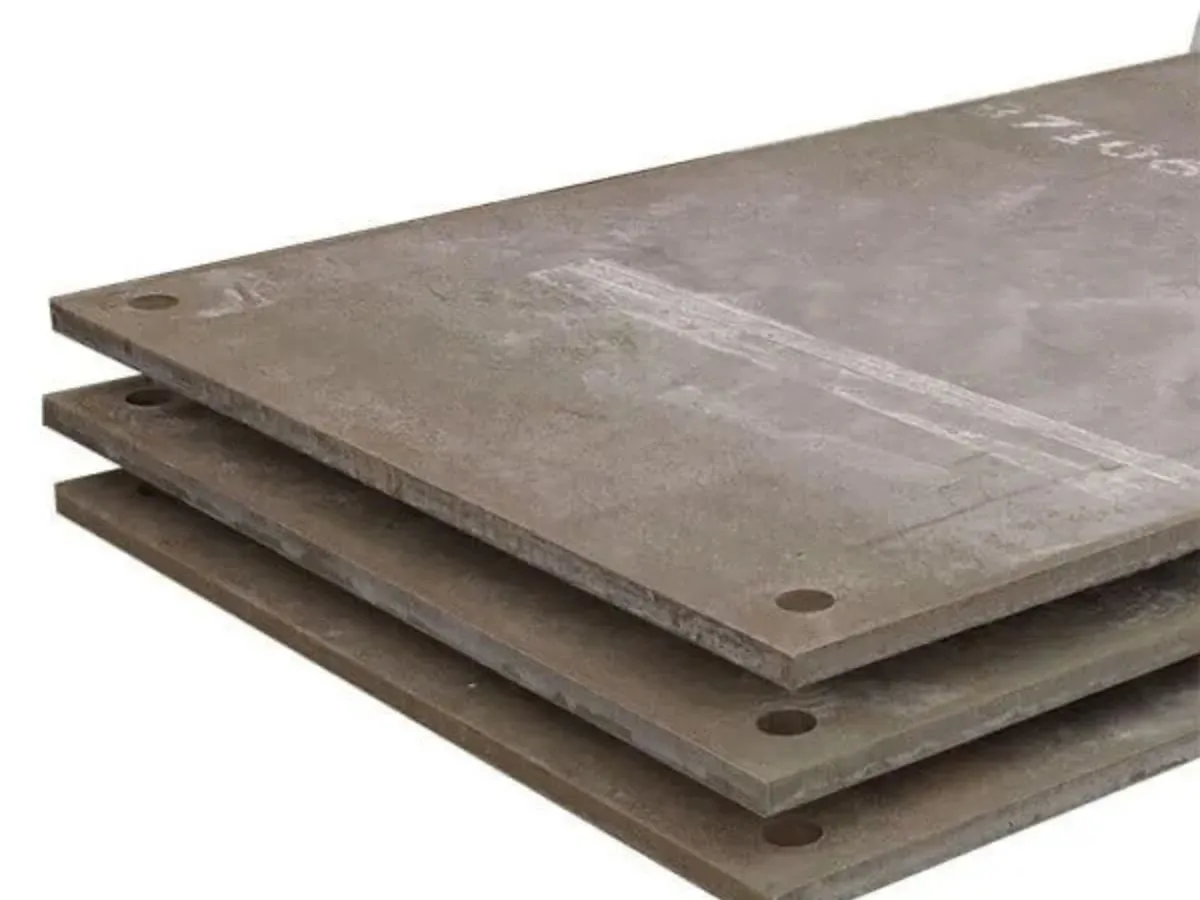
Plate thickness affects its weight, rigidity, and ability to handle expected loading.
A plate used for pedestrian access may have different requirements from one intended for vehicle traffic. Factors such as plate span, dimensions, support conditions, and expected loads should be considered when determining the appropriate thickness.
For vehicle applications, engineering advice should be obtained where required to establish whether a particular plate is suitable.
Steel Grade
The steel grade can affect the mechanical properties and suitability of the plate. When purchasing or hiring road plates, contractors should understand the material specification and ensure it meets the requirements of the intended application.
Choosing a suitable grade can help provide reliable performance while avoiding unnecessary material costs.
Common Applications for Road Plates
Road plates have a wide range of applications throughout construction and infrastructure work.
Utility and Service Trenches
Water, sewer, electrical, gas, and telecommunications projects can require temporary excavations across existing access routes. Road plates can provide temporary coverage while underground works are underway.
Civil Construction
Civil contractors may use plates to cover pits, trenches, and other openings during staged construction.
Roadworks
Maintenance and infrastructure projects can involve temporary removal of sections of road surfaces. A suitable road plate can provide temporary coverage where appropriate.
Driveways and Property Access
Construction projects can sometimes affect vehicle access to homes, commercial properties, warehouses, and other sites. Temporary steel plates may help maintain access during certain stages of excavation.
Lifting and Handling
Steel road plates can be very heavy, particularly when they are large or manufactured from thicker material. Safe handling should therefore be considered before purchasing or installing them.
Some plates can include lifting holes or other features that assist with handling using suitable equipment. Contractors should ensure that lifting equipment is rated appropriately for the plate weight and that safe lifting procedures are followed.
Planning delivery, unloading, installation, removal, and storage in advance can help reduce delays and handling risks.
Non-Slip and Custom Options
Depending on the project, contractors may require additional features. Non-slip surfaces can be considered for applications where traction is important.
Custom sizes and configurations may also be useful when standard dimensions do not match the excavation. Customisation can include specific dimensions, thicknesses, lifting holes, or other project requirements.
The best option depends on the site and the intended use of the road plate.
Road Plates from Aussie Road Plates
Aussie Road Plates supplies Australian-made steel road plates and pit covers for construction, excavation, civil, and infrastructure applications.
The company offers standard and customised solutions designed to accommodate different project requirements. Available options can include different thicknesses, dimensions, lifting-hole configurations, and non-slip treatments.
For contractors looking for road plates in Sydney, providing accurate project information can help determine the appropriate product. Details such as excavation dimensions, expected traffic, access requirements, and intended use are useful when requesting a quotation.
What to Check Before Installation
Before installing a road plate, contractors should assess the excavation and surrounding area. Consider the following:
- Excavation dimensions and depth
- Expected pedestrian or vehicle traffic
- Plate size and thickness
- Ground and support conditions
- Plate stability
- Lifting and handling requirements
- Traffic management requirements
- Visibility and signage
- Applicable workplace safety procedures
Where engineering design is required, the appropriate qualified professional should determine the suitable specifications and installation requirements.
Final Thoughts
Road plates Sydney are a practical temporary solution for many construction, excavation, utility, and infrastructure projects. They can help contractors manage access over suitable excavations while reducing disruption to surrounding operations.
The right road plate should be selected based on the excavation size, expected loading, steel specification, thickness, support conditions, and handling requirements rather than price alone.
With properly specified products from Aussie Road Plates and appropriate installation procedures, contractors can find temporary steel covering solutions suited to the demands of Sydney construction and infrastructure projects.























Sign in to leave a comment.