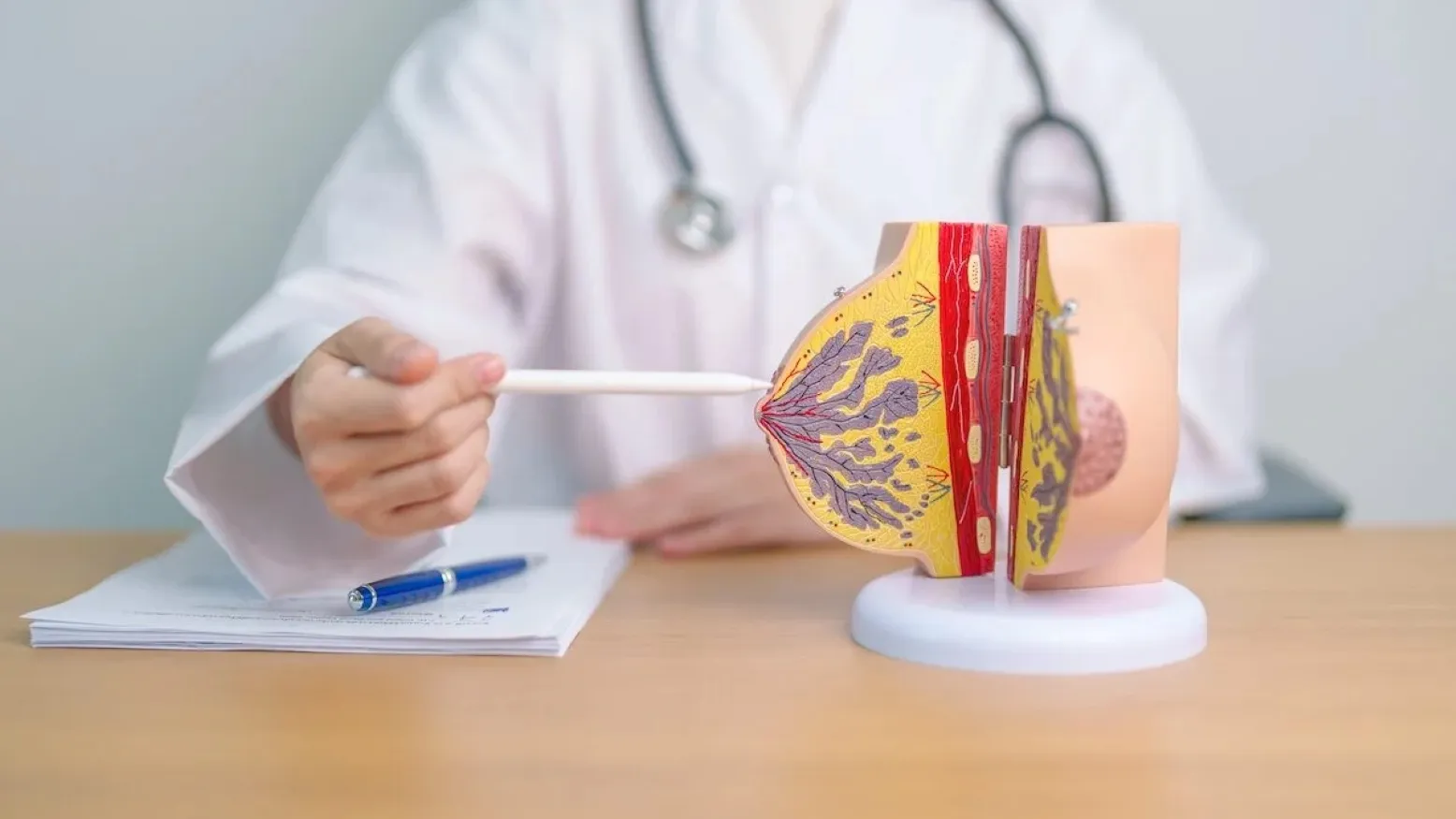

A breast cancer diagnosis can feel overwhelming, and the journey through treatment often brings physical and emotional challenges. For many women, breast cancer surgery in Dubai marks a significant milestone — the turning point from active treatment toward healing and recovery. While surgery removes the cancer, the road ahead focuses on rebuilding strength, confidence, and overall well-being.
Recovery is not a single moment but a gradual process. Understanding what to expect and how to care for yourself can make this transition smoother and more empowering.
Understanding the Immediate Post-Surgery Phase
The first few days and weeks after surgery are centered on physical healing. Depending on the type of procedure — whether lumpectomy, mastectomy, or reconstruction — recovery timelines may vary.
Common post-surgical experiences include:
- Swelling and tenderness around the incision site
- Limited arm or shoulder mobility
- Temporary fatigue
- Emotional sensitivity
It is important to follow your surgeon’s instructions carefully. Proper wound care, prescribed medications, and adequate rest are essential to avoid complications and promote healing.
Gentle movement is often encouraged soon after surgery. Light arm exercises can help prevent stiffness and improve circulation, but they should always be done under medical guidance.
Managing Pain and Physical Changes
Pain management is a key component of recovery. Discomfort typically decreases over time, but it is important to communicate openly with your healthcare provider if pain feels persistent or severe.
Beyond physical pain, many women experience changes in body image. Surgical scars, changes in breast shape, or reconstruction adjustments can impact self-esteem. These feelings are completely normal.
Strategies that may help include:
- Wearing comfortable, supportive clothing
- Exploring post-surgery bras or prosthetics if recommended
- Speaking with a counselor or support group
- Allowing yourself patience as your body heals
When undergoing breast cancer surgery in Dubai, patients often benefit from access to multidisciplinary care teams that include surgeons, physiotherapists, and mental health professionals. This integrated approach can significantly improve both physical and emotional recovery outcomes.
Emotional Healing and Mental Well-Being
The emotional side of recovery is just as important as the physical one. After surgery, many women experience a mix of relief, anxiety, gratitude, and uncertainty.
It is common to worry about:
- Recurrence
- Follow-up treatments such as chemotherapy or radiation
- Long-term lifestyle changes
- The impact on family and relationships
Seeking emotional support is not a sign of weakness. Speaking openly with loved ones, joining survivor groups, or consulting a therapist can provide reassurance and perspective.
Mindfulness practices, such as meditation and gentle breathing exercises, may also help manage stress and improve sleep quality during recovery.
Rebuilding Strength Through Rehabilitation
Gradual rehabilitation is essential for restoring mobility and strength. Many patients are advised to begin light exercises within weeks of surgery, depending on medical clearance.
Physical therapy can help:
- Improve shoulder and arm range of motion
- Reduce the risk of lymphedema
- Enhance posture and balance
- Restore overall physical confidence
Staying active does not mean rushing the process. Recovery should be progressive and personalized. Walking, stretching, and low-impact activities often serve as a safe starting point.
Nutrition also plays a crucial role. A balanced diet rich in lean proteins, fresh vegetables, whole grains, and adequate hydration supports tissue repair and energy levels.
Returning to Daily Life
Resuming work, social activities, and routine responsibilities varies from person to person. Some individuals feel ready within a few weeks, while others need more time.
When planning your return to normal activities:
- Set realistic expectations
- Prioritize rest when needed
- Communicate openly with employers or family
- Schedule follow-up appointments consistently
Follow-up care remains a long-term part of the journey. Regular medical checkups ensure that healing is progressing properly and that any concerns are addressed promptly.
Women who undergo breast cancer surgery often benefit from structured follow-up programs designed to monitor recovery and provide ongoing support.
Strengthening Relationships and Support Systems
Recovery often highlights the importance of a strong support network. Partners, friends, and family members may also experience emotional stress during this time.
Open communication can strengthen relationships and reduce misunderstandings. Expressing your needs clearly — whether for help with daily tasks or simply emotional reassurance — allows others to support you effectively.
Support groups can also connect you with others who truly understand the journey. Sharing experiences with fellow survivors can foster encouragement and inspiration.
Embracing a New Chapter
Life after breast cancer surgery is not about returning to who you were before — it is about embracing who you are becoming. Many women describe this phase as transformative. The experience can foster resilience, self-awareness, and a renewed appreciation for health.
Healing takes time. Some days will feel strong and hopeful, while others may feel uncertain. Both are part of the process.
Final Thoughts
The road to recovery after breast cancer surgery is deeply personal and unique to each individual. While medical care addresses the physical aspect, true healing involves emotional strength, support systems, and self-compassion. By taking gradual steps, seeking guidance when needed, and allowing yourself patience, you can navigate this chapter with confidence and hope. Recovery is not just about surviving — it is about reclaiming your life and moving forward with renewed strength.
Frequently Asked Questions
1. What can I expect immediately after breast cancer surgery?
Immediately after surgery, you may experience swelling, tenderness, and limited mobility in your arm or shoulder. It's common to feel temporary fatigue and emotional sensitivity. Following your surgeon's post-operative instructions is crucial for a smooth recovery.
2. How can I manage pain after breast cancer surgery?
Pain management is essential during recovery. It’s important to communicate openly with your healthcare provider about any persistent or severe pain. Following prescribed pain relief strategies and engaging in gentle movements can help ease discomfort over time.
3. What emotional challenges might I face after surgery?
Many women experience a mix of emotions post-surgery, including anxiety about recurrence and changes in body image. It’s important to seek emotional support from loved ones, support groups, or therapists to help navigate these feelings effectively.
4. How can rehabilitation help after breast cancer surgery?
Rehabilitation is vital for restoring mobility and strength after surgery. Engaging in physical therapy can improve your range of motion, reduce the risk of lymphedema, and help you regain overall physical confidence as you recover.
5. When can I return to my normal activities after surgery?
The timeline for returning to daily activities varies for each individual. Some may feel ready within a few weeks, while others may need more time. It's important to set realistic expectations and prioritize rest, while also communicating openly with your employer and loved ones.
6. What role does nutrition play in recovery?
Nutrition is crucial during recovery as it supports tissue repair and energy levels. A balanced diet rich in lean proteins, vegetables, and whole grains can enhance your healing process and overall well-being after surgery.
7. How can I strengthen my support system during recovery?
Open communication with family and friends about your needs is key to strengthening your support network. Joining support groups can also connect you with others who understand your journey, providing encouragement and shared experiences.
8. What does it mean to embrace life after breast cancer surgery?
Embracing life after surgery means focusing on personal transformation rather than returning to your previous self. Many women find this phase fosters resilience, self-awareness, and a renewed appreciation for health, allowing them to reclaim their lives with renewed strength.




















Sign in to leave a comment.