Robotics Training for Teachers: Bring Real-World STEM Into Your Lessons


Students today are surrounded by smart devices, delivery apps and automated systems, and they are curious about how it all works. Teachers often want to answer these questions but have never been trained in coding or electronics. A STEM robotics course for educators helps you bridge that gap. You learn to build simple robots, program them and plan classroom activities around them, all without needing a technical degree.
Why Hands-On Learning Matters
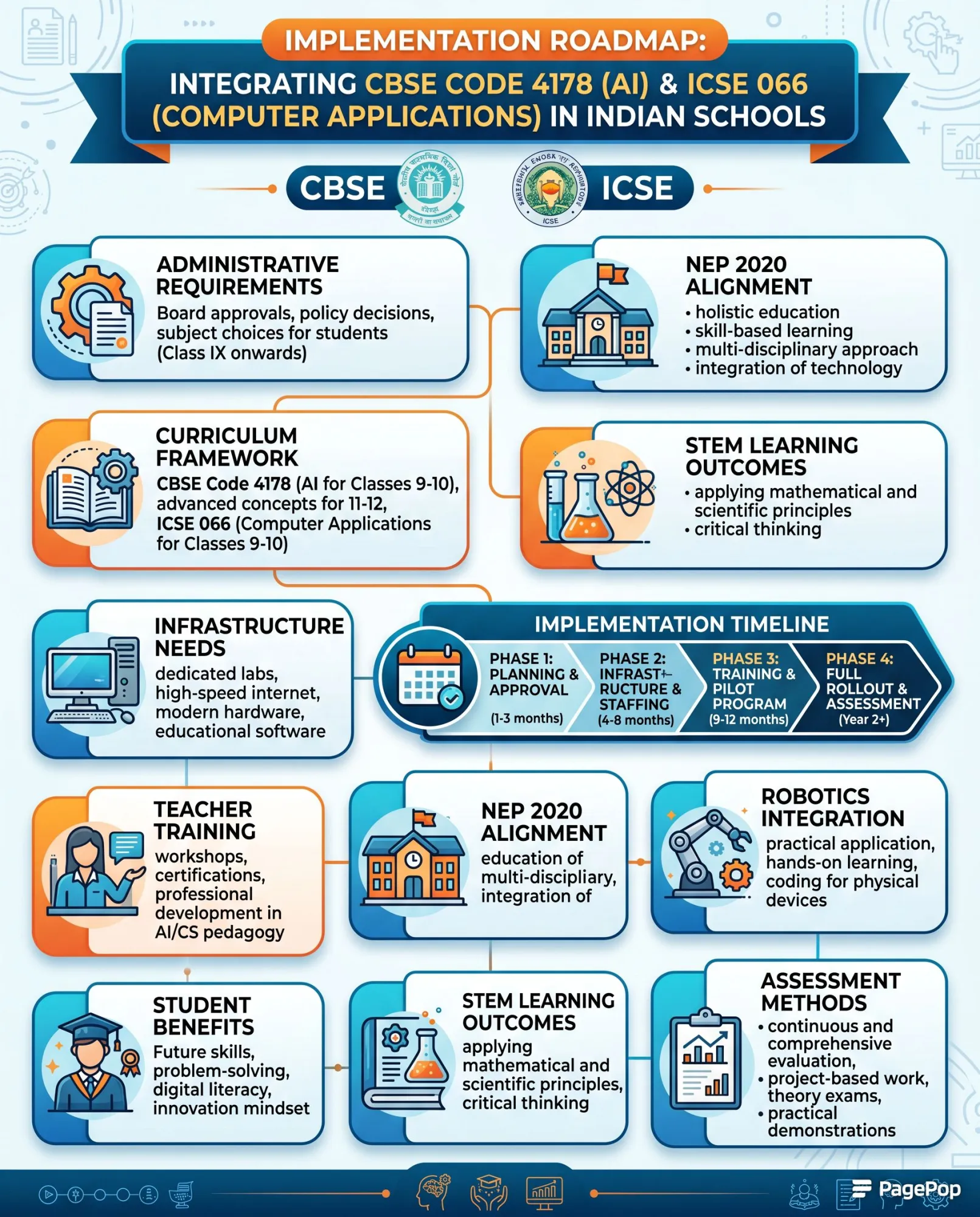
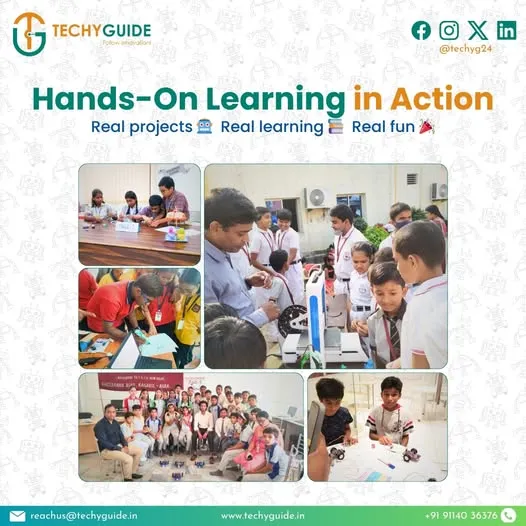
Textbooks explain ideas, but projects make them stick. When students program a robot to avoid a wall, they apply maths, science and logic at the same time. They see immediate results, learn from errors and stay engaged for longer. This is why schools are shifting from memorisation to activity-based learning, a direction also supported by NEP 2020 through its emphasis on experiential learning and computational thinking.
Core Skills Covered in Teacher Robotics Programs
Most beginner programs follow a clear progression:
- Electronics basics: circuits, batteries, LEDs and safe component handling
- Sensors and motors: how robots sense their surroundings and move
- Block-based coding: visual programming that leads into simple text code
- Guided projects: line followers, obstacle avoiders and automatic gadgets
- Lesson design: setting objectives, managing time and organising teams
- Assessment: measuring creativity, collaboration and problem-solving fairly
By the end, you should be able to run a complete robotics session independently.
Choosing Dependable Kits and Learning Material
Training delivers the best results when paired with reliable tools. Kits need to be safe for children, sturdy enough for repeated use and accompanied by clear instructions. Exploring STEM DIY Kits & Courses helps you compare robotics kits, coding boards and learning programs across age groups without hunting through multiple websites.
Before purchasing, check whether the parts can be reused in different projects, whether the manual is beginner-friendly, and whether there are enough components for group work. Reusable kits offer better long-term value, particularly for schools managing tight budgets.
A Practical Way to Begin
You do not need a special lab. Try this approach:
- Pick one small project. An obstacle-avoiding robot is a good first choice.
- Form teams of three or four. Assign roles such as builder, coder and tester.
- Allow trial and error. Let students diagnose problems before you step in.
- Connect to daily life. Compare robots to automatic doors, traffic signals and warehouse machines.
- Finish with a showcase. Have each team demonstrate their work and explain their decisions.
What Students Take Away
Robotics nurtures patience, teamwork and structured thinking. Students learn that failure is part of improvement, and they gain confidence in using technology to create rather than only consume. These habits support future study in engineering, computing, design and data science.
Why Schools Benefit
Hardware alone does not change classroom outcomes; skilled teachers do. Schools that train their staff report better participation in science activities, stronger project work and more confident teaching across grades. Parents also notice when a school prepares children for a technology-driven future, which builds trust and strengthens the institution’s reputation.
Final Thoughts
Teaching is evolving from delivering information to guiding discovery, and teachers sit at the centre of that change. Building your own technical confidence is the most effective step you can take to improve daily lessons. If you want practical skills, ready-to-use activities and the ability to inspire young innovators, enrolling in a STEM robotics course for educators is a smart place to start.






Sign in to leave a comment.