

Hepatitis B virus (HBV) is a major viral pathogen that primarily affects the liver and can cause acute and chronic hepatitis, cirrhosis, and liver cancer. Vaccination is one of the most effective strategies for preventing HBV infection.
A key component of the immune response following hepatitis B vaccination is the production of antibodies against the hepatitis B surface antigen (HBsAg), commonly referred to as anti-HBs or anti-HBsAg antibodies. Researchers use these antibodies to study vaccine-induced immunity, evaluate immune responses, and understand the duration of protection against HBV.
What Is HBsAg?
HBsAg is a protein found on the surface of hepatitis B virus particles. It is an important marker used in laboratory testing because its presence in blood can indicate an HBV infection. HBsAg is also the antigen used in hepatitis B vaccines to stimulate an immune response without causing HBV infection.
When a hepatitis B vaccine is administered, the immune system recognizes HBsAg as foreign. This stimulates B cells and other immune cells to develop an antigen-specific response. One of the major outcomes is the production of anti-HBs antibodies that can recognize the surface antigen.
What Is an Anti-HBsAg Antibody?
An anti-HBsAg antibody is an antibody that specifically recognizes HBsAg. It is produced as part of the body's humoral immune response following hepatitis B vaccination or recovery from a previous HBV infection.
Anti-HBs is generally considered a marker of immunity. In individuals who successfully complete vaccination, an anti-HBs concentration of at least 10 mIU/mL measured after the vaccine series is commonly used as an indicator of seroprotection.
This makes anti-HBsAg antibody an important biomarker in vaccine and immunity research.
Role in Studying Hepatitis B Vaccine Responses
One of the most important applications of anti-HBsAg antibody measurement is evaluating how effectively a hepatitis B vaccine stimulates an immune response.
Researchers can measure anti-HBs levels in serum or plasma following vaccination and compare antibody responses between study groups. These studies can help researchers investigate:
- The percentage of individuals who develop protective antibody levels
- Differences in immune responses between age groups
- The effects of different vaccine formulations or schedules
- The influence of immune status on vaccine response
- The persistence of antibody responses over time
Measuring anti-HBs allows researchers to convert the immune response into a quantifiable laboratory outcome. This is particularly useful in vaccine development and immunogenicity studies.
Anti-HBsAg Antibody as a Marker of Seroprotection
Seroprotection refers to the development of an antibody response considered sufficient to indicate protection against HBV infection. For hepatitis B vaccination, anti-HBs levels of ≥10 mIU/mL after completion of the vaccine series are generally considered evidence of seroprotection in immunocompetent individuals.
Researchers can therefore use anti-HBs measurements to determine whether participants have responded to vaccination.
However, antibody concentration should not always be interpreted as a direct measurement of lifelong immunity. Anti-HBs levels can decline over time, while immune memory may persist. Studies have shown that individuals who initially responded to vaccination can remain protected even when measurable antibody levels later become low.
Studying the Duration of Vaccine-Induced Immunity
Long-term immunity is another important area of hepatitis B research. After vaccination, anti-HBs concentrations may gradually decrease. Researchers can measure antibody levels at different time points to understand how the humoral immune response changes over months or years.
Longitudinal studies may collect samples before vaccination, after individual vaccine doses, after completion of the vaccine series, and during extended follow-up periods. Comparing anti-HBs concentrations across these time points helps researchers evaluate the persistence of vaccine-induced antibodies.
Importantly, declining anti-HBs does not necessarily mean that vaccine protection has disappeared. Immune memory can remain and may generate a rapid antibody response following exposure to HBV.
Evaluating Vaccine Responders and Non-Responders
Anti-HBsAg antibody testing can also help researchers distinguish between vaccine responders and individuals who develop a weak or inadequate antibody response.
Some individuals may fail to reach the commonly used protective antibody threshold after vaccination. Researchers can investigate possible contributing factors, including age, immune status, underlying conditions, vaccine schedule, and other biological factors.
This information can support research into improved vaccination strategies for populations that may respond less effectively to standard vaccination.
Role in Comparing Vaccine Formulations
Anti-HBs measurements are also valuable when researchers compare different hepatitis B vaccine formulations or vaccination schedules.
For example, a vaccine research study may compare antibody responses between participants receiving different formulations or dosing schedules. Researchers can assess the proportion of participants achieving seroprotection as well as differences in antibody concentrations.
Such measurements provide an objective immunological endpoint that can help evaluate vaccine immunogenicity during clinical and laboratory research.
Anti-HBsAg Antibody in Serological Research
Anti-HBs is commonly studied alongside other HBV markers, particularly HBsAg and anti-HBc. The combination of these markers provides a more complete picture of an individual's HBV status.
For example, HBsAg-negative, anti-HBs-positive, and total anti-HBc-negative results are consistent with immunity following vaccination when a complete vaccination series is documented. In contrast, anti-HBs positivity together with anti-HBc positivity can indicate immunity following previous HBV infection.
Therefore, studying anti-HBsAg antibodies together with other serological markers can help researchers distinguish vaccine-induced immunity from immunity associated with previous infection.
Importance of Anti-HBsAg Antibody Detection in Research
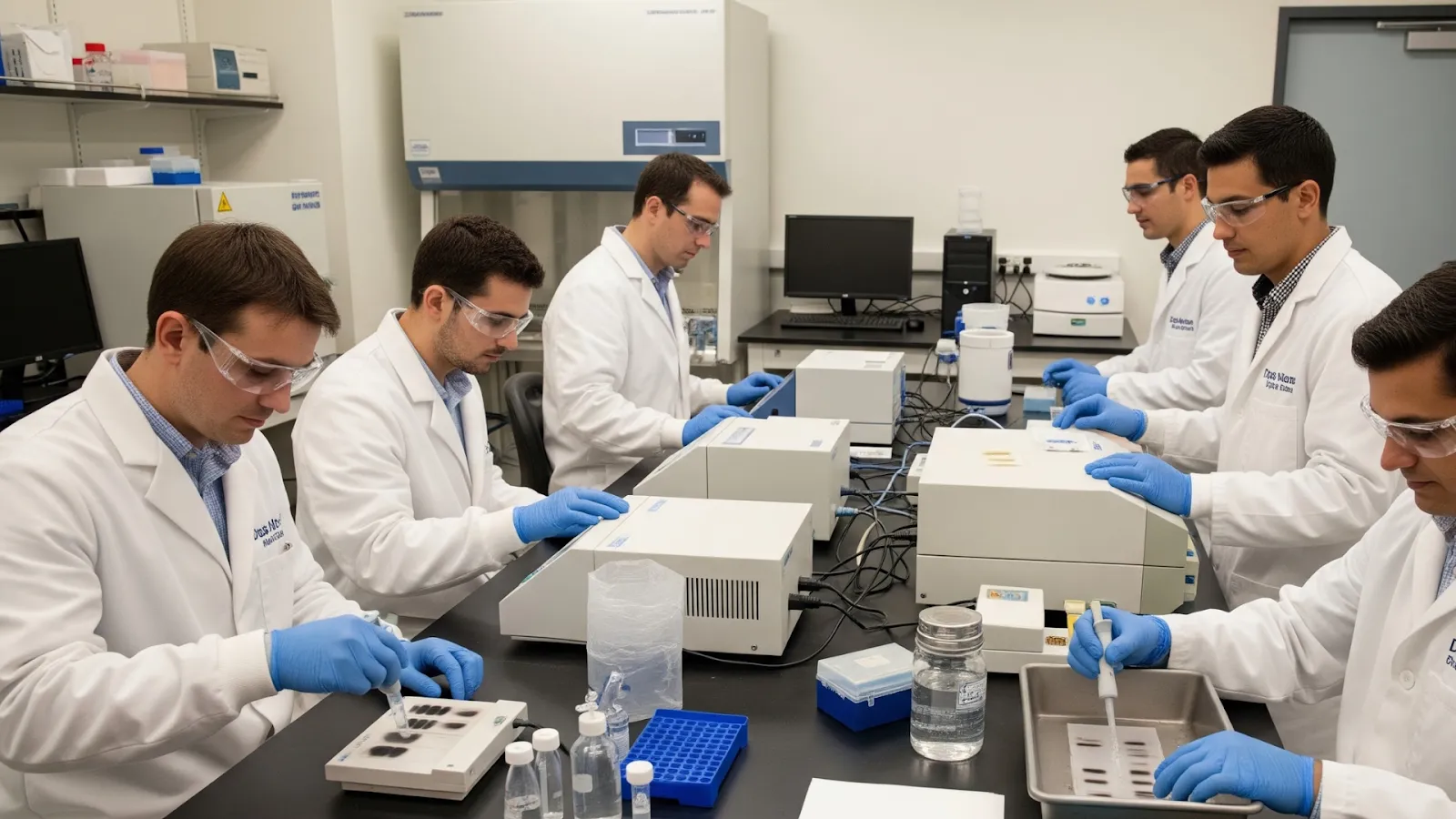
Reliable detection and quantification of anti-HBsAg antibodies are important for generating consistent research data. Laboratory immunoassays can be used to detect or quantify antibodies in biological samples.
Researchers can use anti-HBsAg antibody assays for applications such as:
- Vaccine immunogenicity studies
- Serological surveys
- Long-term immunity research
- Vaccine response studies
- Comparative vaccine research
- Immune memory investigations
- HBV epidemiological studies
Accurate antibody measurements allow researchers to compare immune responses across different experimental groups and time points.
Future Directions in Hepatitis B Immunity Research
Although anti-HBs remains an important indicator of vaccine-induced immunity, researchers continue to investigate how antibody responses interact with cellular immunity and immune memory. Understanding why some individuals maintain measurable antibodies while others experience antibody decline may help improve long-term vaccination strategies.
Research is also focused on developing better approaches for individuals who respond poorly to vaccination and on understanding the mechanisms responsible for durable protection.
Conclusion
Anti-HBsAg antibody plays an important role in hepatitis B vaccine and immunity research. Because anti-HBs develops following successful hepatitis B vaccination and is associated with protection against HBV, its measurement provides researchers with a valuable marker for evaluating vaccine-induced immune responses.
From assessing vaccine responders and comparing vaccine formulations to studying long-term immunity and immune memory, anti-HBsAg antibody testing supports numerous areas of HBV research. Although antibody levels can decline over time, persistent immune memory can continue to provide protection in individuals who previously responded to vaccination. Understanding both antibody responses and broader immune mechanisms will remain important for advancing hepatitis B vaccine research and improving strategies for preventing HBV infection.

























Sign in to leave a comment.