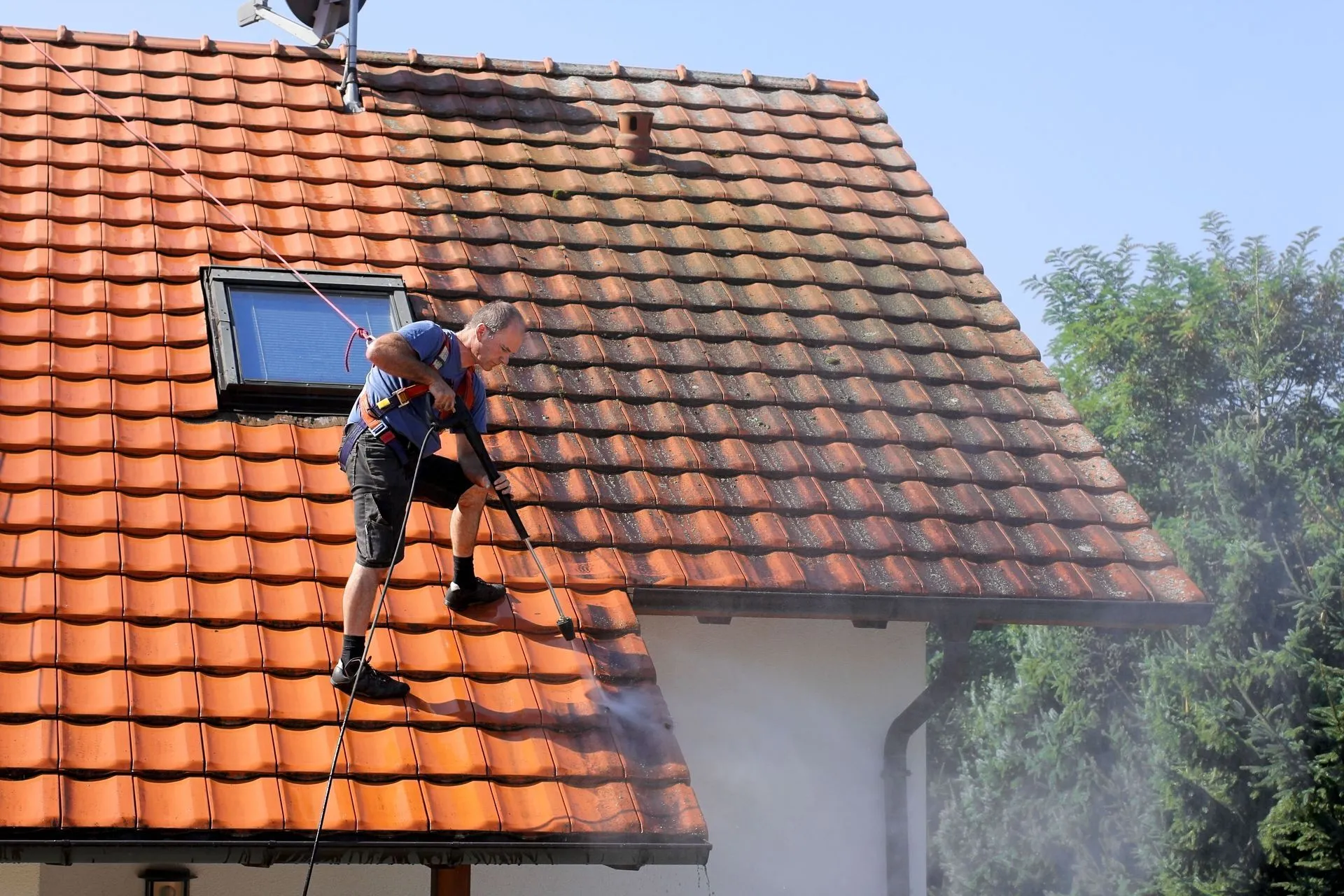
A roof can look clean today and start showing green patches again months later. The real question is not just how to remove moss, but how to manage the conditions that allow it to return.
Moss on roof tiles is a common sight across the UK, particularly in areas exposed to frequent rainfall, damp weather and limited sunlight. It often begins as a few green patches before spreading across larger sections of the roof. Apart from affecting the appearance of a property, heavy moss growth can retain moisture and may contribute to drainage problems when dislodged material collects in gutters.
However, removing visible moss and treating the roof to help control regrowth are two different parts of roof maintenance. Understanding the difference helps homeowners make more informed decisions about caring for their roof.

Moss Removal and Regrowth Treatment: What Is the Difference?
Moss removal focuses on clearing the growth that has accumulated on roof tiles. Regrowth treatment takes a different approach by addressing remaining biological growth and helping reduce the likelihood of it returning quickly.
Both can form part of a suitable roof maintenance plan, but the right approach depends on the roof's age, tile condition, level of growth and cleaning method.
| Roof care stage | Main purpose | Why it matters |
|---|---|---|
| Moss removal | Clear accumulated moss from suitable roof surfaces | Improves the appearance of roof tiles and removes loose growth |
| Roof inspection | Identify damaged tiles and vulnerable areas | Helps determine which cleaning method is appropriate |
| Biocide treatment | Treat susceptible remaining organic growth | Can help control regrowth when the product is suitable and applied correctly |
| Gutter clearance | Remove moss and debris collected in gutters | Helps maintain the flow of rainwater |
| Ongoing maintenance | Monitor the roof for returning growth | Makes it easier to identify developing problems early |
The important point: A roof that looks clean immediately after moss removal has not necessarily received a treatment designed to control future growth.

Why Does Moss Return After Roof Cleaning?
Have you ever noticed a roof that looked clean after maintenance but developed green patches again over time? This does not automatically mean the original cleaning was unsuccessful.
Moss spreads through spores and can establish itself where environmental conditions are favourable. Roof surfaces that remain damp for extended periods may be particularly susceptible.
Several factors can influence how quickly growth returns:
- Frequent rainfall: Moisture helps create conditions in which moss can establish itself.
- Limited sunlight: North-facing roof slopes and shaded areas may dry more slowly.
- Nearby trees: Overhanging branches can increase shade and contribute leaves and other organic debris.
- Rough or weathered tiles: Surface texture can provide places where organic material collects.
- Residual biological growth: Some cleaning methods remove visible moss without fully addressing remaining microscopic growth.
This is why choosing a suitable cleaning and treatment approach matters more than simply judging the roof by its appearance on the day the work is completed.
How Roof Cleaning Professionals Approach Moss and Regrowth
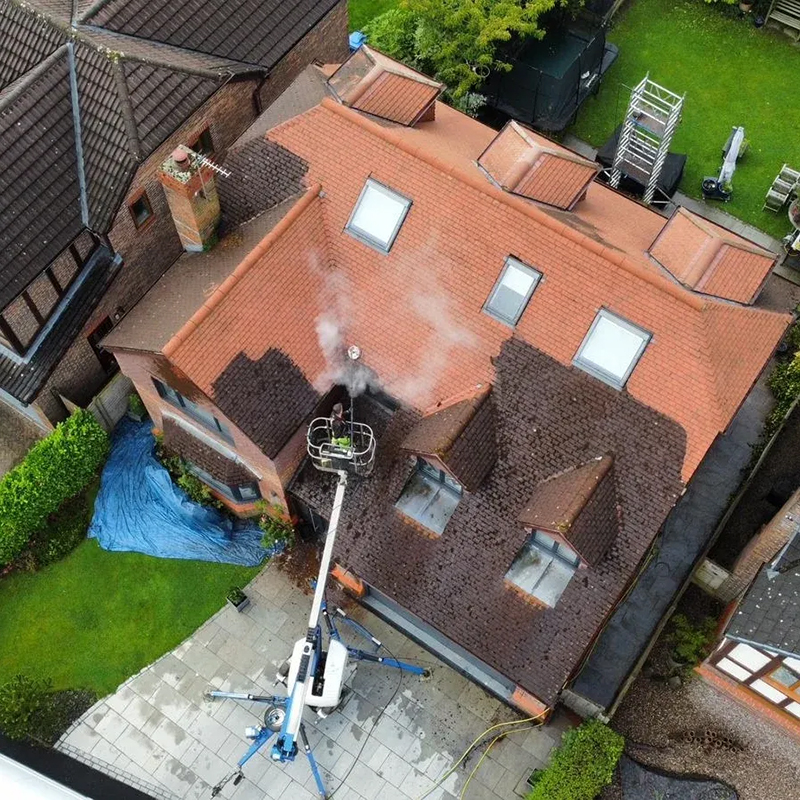
Experienced roof cleaning professionals assess the condition of the roof before deciding how to remove moss and whether a follow-up treatment is appropriate.
A heavily moss-covered roof may need a different approach from one with light surface growth. Older or fragile tiles also require particular care because an unsuitable cleaning method can cause avoidable damage.
A typical assessment may include:
1. Checking the Roof Tile Condition
Before work begins, the roof should be assessed for cracked tiles, loose sections and other visible defects. The roof's construction and condition help determine the safest practical cleaning method.
2. Removing Accumulated Moss
Where appropriate, moss may be removed using controlled manual techniques or another suitable cleaning method. The objective is to clear the growth without applying unnecessary force to the tiles.
High-pressure washing is not automatically suitable for every roof. Excessive pressure can damage certain surfaces or force water into vulnerable areas.
3. Considering a Suitable Biocide Treatment
After moss removal, a compatible biocide may be applied when appropriate. Its purpose is to treat susceptible organic growth and help control its return.
The product, application method and expected results depend on the roof material and treatment instructions. Some treatments work gradually, so remaining discolouration or organic material may not disappear immediately.
4. Clearing the Surrounding Areas
Moss removed from a roof can collect around gutters, downpipes and the ground below. Clearing this debris is an important part of keeping the surrounding area tidy and helping prevent blockages.

Moss Removal vs Regrowth Treatment: Which Do You Need?
The answer depends on what is happening on your roof rather than how green it looks from the street.
| Your roof's condition | What may be appropriate |
|---|---|
| Thick, established moss | Assessment followed by suitable moss removal |
| Light green biological growth | Inspection to identify the growth and select an appropriate treatment |
| Moss returning after previous cleaning | Review of the previous method and consideration of a suitable follow-up treatment |
| Older or fragile roof tiles | Careful assessment before choosing a low-impact approach |
| Moss collecting in gutters | Roof maintenance alongside gutter clearance where required |
It is worth remembering that no treatment can guarantee permanent moss prevention. Weather, shade, roof orientation and surface conditions continue to influence future growth.
Is a Roof Washing Service Enough to Prevent Moss Returning?
A roof washing service can improve the appearance of a roof, but washing alone should not automatically be considered a long-term solution to moss regrowth.
The outcome depends on the cleaning technique, the type of growth present and whether any additional treatment is suitable. A roof that receives a thorough clean may still develop new moss over time if damp, shaded conditions remain.
Before arranging work, homeowners should ask:
- What cleaning method is suitable for my roof tiles?
- Will the work include moss removal only, or a separate biological treatment?
- How long might the treatment take to show results?
- Are gutter clearance and debris removal included?
- What maintenance should I expect after the work is completed?
These questions help you understand exactly what is being offered instead of comparing services on price alone.
Finding Roof Cleaning in Nearby Areas
Local weather conditions, surrounding trees and the design of individual properties can all influence roof maintenance requirements. If you are comparing roof cleaning in nearby areas, look for a service that explains its cleaning method clearly and assesses the roof before recommending treatment.
A reliable quotation should set out the work included, any additional treatments, arrangements for clearing debris and any limitations relating to the condition of the tiles.
For homeowners, the aim should be to maintain the roof sensibly, rather than remove every mark regardless of the surface's condition.
What Should You Expect After Moss Removal and Treatment?
The results depend on the condition of the roof and the method used. Visible moss may be removed during cleaning, while the effects of certain biological treatments can develop over a longer period.
Keep these practical points in mind:
- Some roofs may need follow-up monitoring to assess the treatment's effect.
- Weathering and natural environmental conditions can lead to new growth.
- Damaged tiles or existing roof defects may need separate attention.
- Regular gutter checks can help identify accumulated debris before it causes problems.
A sensible maintenance plan focuses on the roof's overall condition, not just its immediate appearance.
Give Your Roof the Right Care Before Moss Takes Hold Again
Removing moss is an important part of roof maintenance, but understanding what happens afterwards is equally valuable. A suitable cleaning method, a considered approach to biological treatment and routine checks can help homeowners manage recurring growth more effectively.






















Sign in to leave a comment.