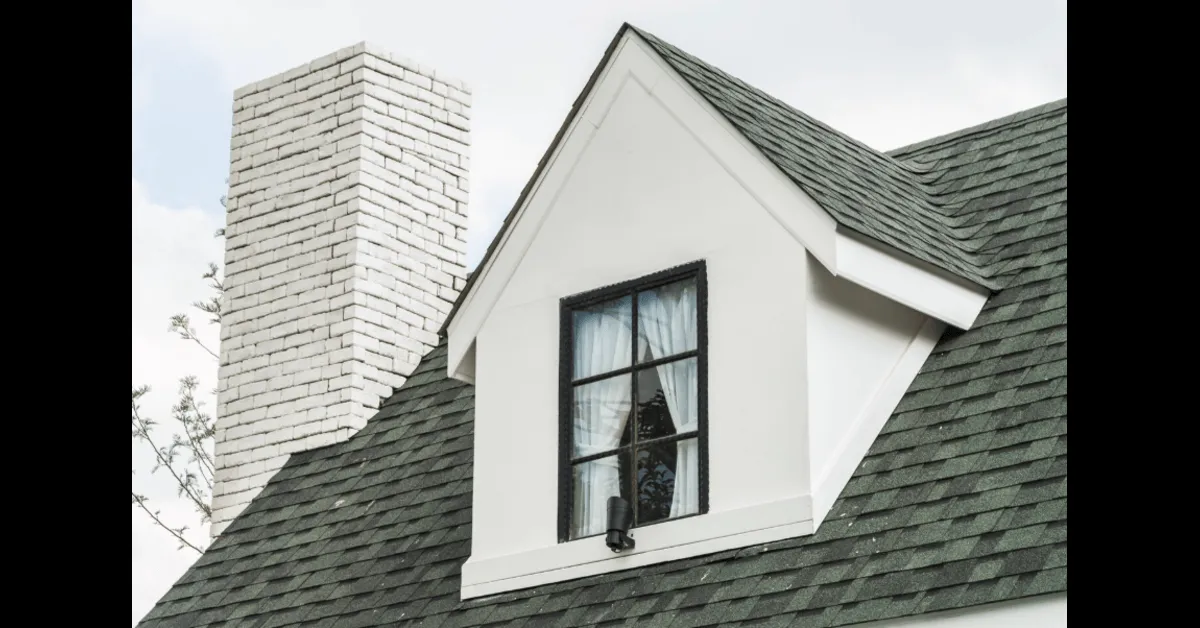

A damaged shingle can look serious, but it does not always mean the wood beneath your roof has failed. Knowing the difference can help you choose the right repair and avoid unnecessary costs.
Start With the Part You Can See
Your shingles form the outer layer of your roof. They take the daily beating from rain, snow, wind, ice, and sunlight. Roof decking sits below them and supports the roofing system from underneath.
When you notice missing, cracked, curled, or loose shingles, start with the surface. These problems often need shingle repair or replacement, not a full roof deck repair. However, water can move deeper when damage stays untreated.
For homeowners considering roof decking replacement Orillia, the key question is simple: has moisture damaged the supporting wood, or has the problem stayed within the shingles? A careful inspection can answer that before work begins.
Spot Shingle Damage Before It Spreads
Shingle damage usually leaves visible clues. You may see cracked tabs, missing shingles, lifted edges, curling corners, exposed nail heads, or areas where the protective surface has worn away.
You might also find dark patches, loose granules in gutters, or shingles that look noticeably different from nearby ones. These signs point toward a roofing-surface issue, especially when your attic and decking remain dry.
That does not mean you should ignore a damaged shingle. A small opening can let water reach the underlayment and decking. Prompt roof repair can stop a simple surface problem from becoming a larger structural concern.
Know When the Decking May Be Damaged
Roof decking damage is harder to confirm from ground level. The strongest clues often appear inside your attic, beneath the damaged roof area, or after shingles and underlayment are carefully removed.
Look for soft or spongy wood, dark stains, mold growth, sagging sections, rotted boards, or signs of repeated moisture. A musty attic smell can also point to a long-running leak that needs attention.
Water stains on ceilings do not automatically prove damaged decking. Water can travel along rafters and other roof parts before reaching your ceiling. That is why tracing the leak matters more than simply treating its visible endpoint.
| What You Notice | More Likely Shingle Damage | Possible Decking Damage |
| Missing or cracked shingles | Yes | Not by itself |
| Curling or lifted shingles | Yes | Not by itself |
| Granules in gutters | Yes | Not by itself |
| Ceiling water stain | Possible | Possible |
| Soft or weak roof wood | No | Strong warning sign |
| Sagging roof area | Rare | Strong warning sign |
| Rot or dark, damaged decking | No | Strong warning sign |
| Long-term leak with wet attic wood | Possible cause | Likely concern |
Do Not Guess From One Warning Sign
The most common mistake is assuming every roof leak means the entire roof needs replacement. The opposite mistake can be just as costly: replacing shingles while ignoring weak decking underneath.
A professional roofer checks the full roofing assembly. That includes shingles, flashing, vents, underlayment, roof penetrations, decking, attic conditions, and areas where water may enter or collect.
This step-by-step approach gives you a clearer repair plan. If only a few shingles have failed, targeted work may solve the problem. If moisture has weakened the deck, those sections may need replacement before new shingles go on.
Why Canada’s Climate Changes the Risk
Canadian weather can test every part of your roofing system. Heavy snow adds weight, freeze-thaw cycles can open small gaps, and strong winds can lift shingles or expose vulnerable areas.
That is why quality materials and skilled installation matter. A roofing system built for harsh weather should manage water properly while protecting the structure below. Regular maintenance also helps catch small issues before winter makes them worse.
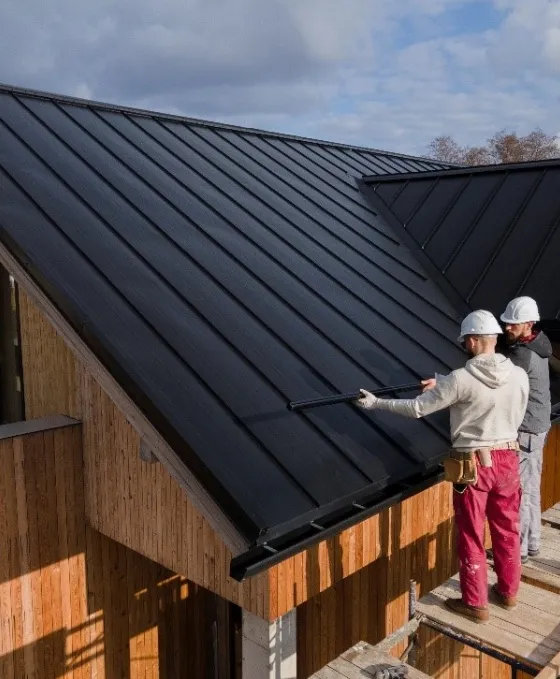
For homeowners exploring residential metal roofing Orillia, the same principle applies. The roof covering matters, but so do the layers beneath it. A durable roof starts with a sound base and proper installation.
When You Should Call a Roofing Professional
Call a roofing professional when you see active leaks, sagging areas, widespread shingle loss, damaged flashing, repeated ceiling stains, or signs of wet or rotten decking.
Emergency roof repairs can help limit further water entry after severe weather. For older roofs, a detailed inspection can also tell you whether repair makes sense or whether replacement offers better long-term value.
For builders and contractors, early coordination matters too. Proper decking checks during new construction can help prevent hidden defects, delays, and costly corrections later. Small commercial property owners can use the same approach to protect buildings and business assets.
Protect Your Roof From the Top Down
The difference between shingle damage and decking damage comes down to where the failure has occurred. Shingles protect the outside; decking supports the roof beneath them.
You do not need to diagnose everything yourself. Your job is to notice warning signs, act quickly, and ask the right questions. A qualified roofing team can trace the source, inspect the layers, and recommend only the work your building needs.
Whether you need a small repair, emergency service, maintenance, full roof replacement, or new-construction roofing, choose a provider that puts materials, workmanship, and proper diagnosis first. The right solution protects your property from the top down.
























Sign in to leave a comment.