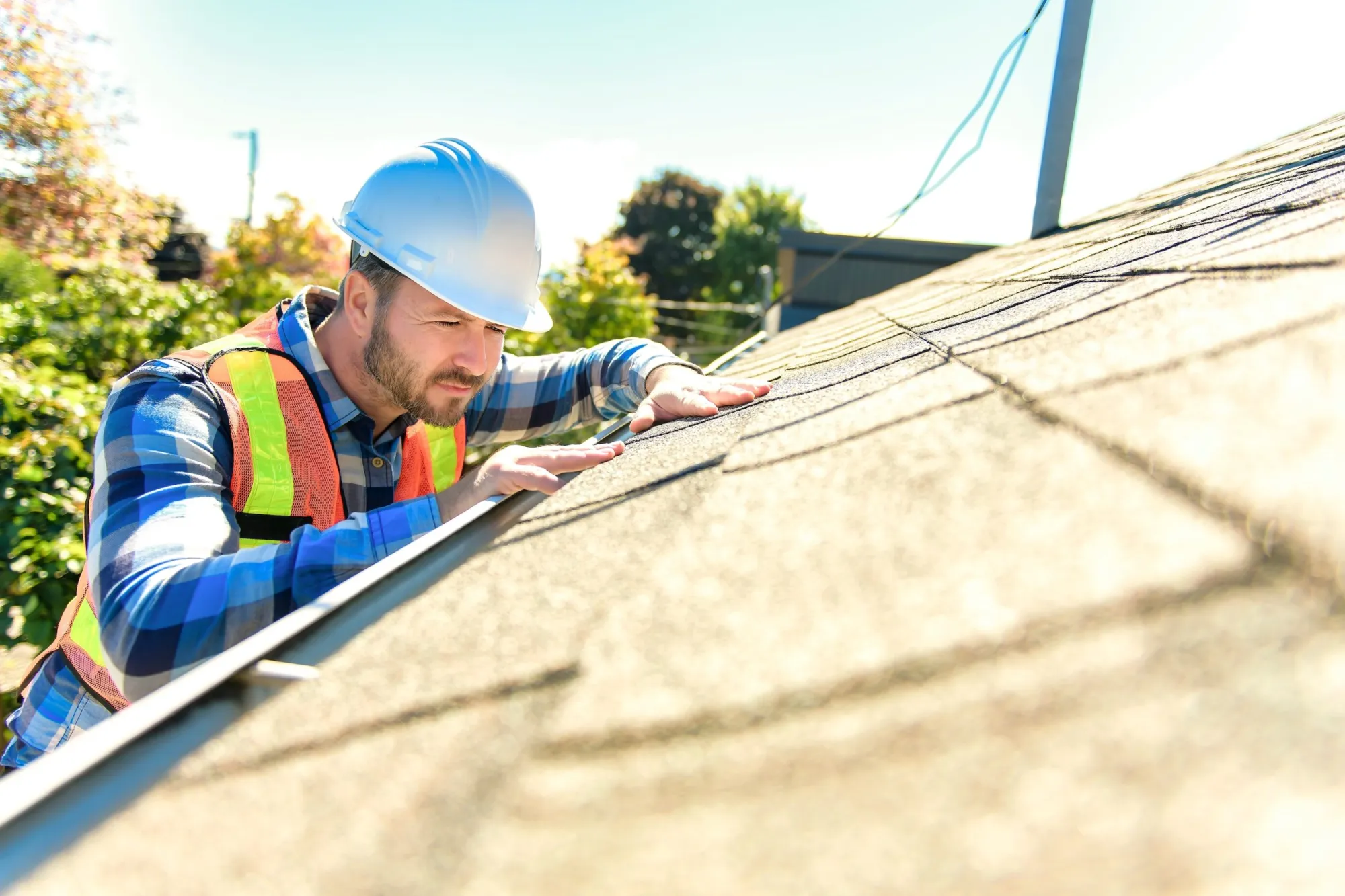

Roof inspection myths push many property owners to skip checkups, wait for visible leaks, or rely on a quick look from the ground. The facts are straightforward. A roof needs a professional inspection at least once a year and after major storms. Damage often hides for months before stains appear, and a trained inspector finds problems that owners and general contractors miss.
This article separates fact from fiction on roof age, leaks, cost, and inspection methods. The guidance reflects practices used by certified specialists, including NRCIA Forensic Certified and CCPIA Certified inspectors, who evaluate residential and commercial roofs across New York and Florida.
Myths About Roof Condition and Age
No Visible Leaks Means No Damage
Water rarely announces itself early. It enters through flashings, seams, and penetrations, then soaks insulation and decking before a ceiling stain forms. Many roofing professionals estimate that most leaks start at these details rather than in the open field of the roof. By the time a stain appears, repairs often cost far more than an early fix.
A New Roof Never Needs an Inspection
Installation errors cause many early failures. Nails driven too deep, sloppy flashing work, and missing underlayment can shorten a roof's life by years. An inspection during and after installation gives owners documented proof to support warranty claims.
Roof Age Tells the Whole Story
A 10-year-old roof in good shape can outlast a 6-year-old roof with poor ventilation. Asphalt shingles typically last 15 to 30 years, but climate, drainage, and workmanship move that number up or down. Condition matters more than the calendar.
Homeowners Can Spot Everything Themselves
Owners can check ceilings, attics, and gutters after storms, and that habit helps. Walking on a roof is another matter. Falls from roofs remain a leading cause of construction-related injuries, and foot traffic can crack shingles. Trained inspectors use fall protection and know which warning signs matter.
Myths About Inspection Methods and Providers
Another group of roof inspection myths involves how inspectors work and who should perform the job.
A Ground-Level Look Is Enough
Binoculars and drone photos show surface wear, not trapped moisture or failing seams. Professionals combine a close visual check with thermal imaging and moisture meter scanning to find wet insulation and hidden leak paths.
Every Inspection Looks the Same
Quality varies widely, and the purpose of each inspection differs. This table shows how the common types compare.
| Inspection Type | Who Usually Performs It | What It Covers | Best Use |
| Quick visual check | Owner or handyman | Visible shingles, flashing, debris | Routine seasonal look |
| Contractor estimate | Roofing contractor | Surface damage tied to a repair or replacement bid | Collecting bids |
| Independent inspection | Certified inspector | Condition, drainage, flashing, moisture, written report | Buying, selling, annual care |
| Forensic inspection | Forensic certified inspector | Root cause of leaks and defects, with documentation | Insurance claims, warranty disputes, repeat leaks |
The difference matters because findings drive decisions. A sales estimate may recommend replacement, while an independent report may show that a targeted repair solves the problem.
Contractors Are the Best Inspectors
A contractor who earns money from the repair has a built-in conflict of interest. An independent inspector is paid for findings, not for the job that follows, so the report stays objective.
Bonus Tip: Ask for a written report with photos and moisture readings. A verbal "it looks fine" cannot support an insurance claim or warranty request.
Commercial Roofs Follow Residential Rules
Low-slope and flat commercial roofs hold water longer, carry rooftop equipment, and often cover tenant inventory. Membrane seams, drains, and equipment curbs need regular attention. Many flat roofs reach 20 to 30 years with steady maintenance, and managers often need inspection records for capital planning.
Myths About Cost, Insurance, and Timing
Inspections Cost More Than They Save
Cost beliefs rank among the most expensive roof inspection myths. Catching a flashing failure early can mean a small repair. Ignoring it can mean replacing wet insulation, decking, and interior finishes. Commercial leaks also disrupt tenants and daily operations.
Insurance Covers Any Roof Damage
Policies typically exclude wear, neglect, and poor maintenance. Inspection records help show that damage came from a covered event, such as hail of about one inch or larger, rather than age.
Inspections Are Only Needed After a Storm
Storms matter, but regional weather sets the schedule. Long Island roofs face freeze-thaw cycles, nor'easters, and salt air near the coast. Florida roofs face intense sun, heavy rain, and hurricane season. Inspections before and after those periods catch weak points while they are cheapest to fix.
Bonus Tip: Schedule a spring check in New York to find winter damage, and a pre-June check in Florida ahead of hurricane season.
Things to Consider Before Making a Decision
Owners who have separated roof inspection myths from facts still need a plan. These factors deserve attention first:
- Property type: Residential roofs, low-slope commercial roofs, and large complex buildings need different tools and expertise.
- Roof history: Gather past repair records, warranties, and installation documents.
- Inspector credentials: Look for recognized certifications and independence from repair sales.
- Report quality: Confirm the deliverable includes photos, readings, and ranked repair priorities.
- Purpose: A pre-purchase check, a warranty review, and a leak investigation call for different scopes.
- Local conditions: Coastal exposure, storm patterns, and temperature swings affect inspection frequency.
Key Takeaways for Property Owners
Roof inspection myths cost owners money through delayed repairs, denied claims, and shortened roof life. Leaks are late warning signs, age is only one measure of condition, independent inspections outperform quick looks, and timing should match local weather. Owners should weigh their property type, roof history, and long-term goals, then choose the inspection that fits them.
Get a Clear Answer About Your Roof Before Problems Grow
Property owners in New York and Florida who want facts instead of guesswork can contact RoofEval, a certified, veteran-owned inspection company serving residential and commercial properties. Their team is available 24/7 at 516-262-2117 in New York or 954-228-0943 in Florida, and by email at [email protected]. Reaching out early gives owners a documented picture of roof condition and a practical plan for repairs, budgeting, and long-term care.
FAQs
How often should a roof be inspected?
Once a year works for most roofs, plus after severe storms. Roofs older than 15 years or located near the coast often benefit from two checks per year.
What does a written inspection report include?
A solid report lists photos, moisture readings, defect locations, likely causes, repair priorities, and an estimate of remaining service life.
Can a roof be inspected without climbing on it?
Drones and thermal cameras help with access and screening. Hands-on checks still catch loose seams, soft decking, and failed sealant that images miss.
What signs call for an earlier inspection?
Ceiling stains, granules in gutters, curling shingles, musty attic odors, sagging areas, and rising energy bills all justify a prompt visit.
Do flat commercial roofs need a different inspection?
Yes. Inspectors focus on ponding water, membrane seams, drain function, and penetrations around rooftop equipment.



















Sign in to leave a comment.