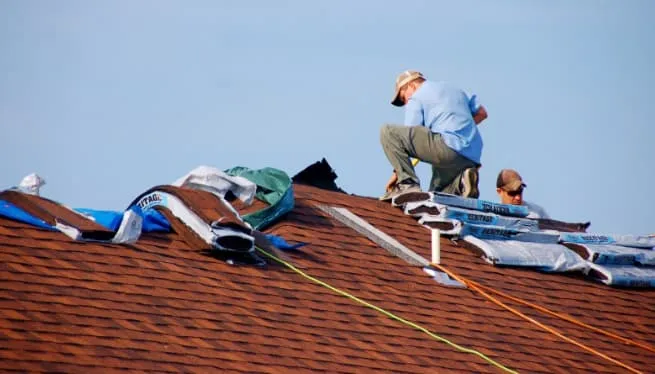

Roof Repair can become necessary after a ceiling stain, missing shingle, or storm-related issue catches a homeowner’s attention. In Milwaukee, WI, spotting those clues early can help limit moisture exposure and give property owners more time to determine the right course of action.
A roof can fail gradually rather than all at once. One damaged shingle may allow water beneath the surface, while deteriorating flashing around a chimney or vent can create an entry point during heavy rain. By the time moisture becomes visible indoors, it may have already traveled through parts of the roofing assembly.
That makes early awareness valuable. Homeowners do not need to diagnose a roofing problem themselves, but they should know which changes deserve closer attention.
Signs Your Roof May Need Attention
Some roofing problems are obvious. Others start with details that are easy to overlook during a normal day at home.
Watch for:
- Missing, cracked, curled, or lifted shingles
- Shingle granules accumulating in gutters
- Damaged flashing around roof penetrations
- Water stains on ceilings or upper walls
- Damp insulation or unusual attic odors
- Moisture around skylights, vents, or chimneys
- Sagging sections along the roofline
- Repeated signs of water after rainfall
A ceiling stain can be particularly misleading. The point where water becomes visible inside the house may be some distance from the actual entry point. Water can move beneath roofing materials, along decking, or around other components before reaching the interior.
Rather than covering a stain and assuming the problem is solved, it is worth finding out why the moisture appeared in the first place.
Roof Leak Repair Starts With Finding the Entry Point
A leak is a symptom. The real challenge is identifying how water got inside.
Common entry points include damaged shingles, deteriorated flashing, valleys, pipe boots, vents, and other roof penetrations. In some cases, water appears only during wind-driven rain, making the source harder to locate from inside the house.
When active dripping occurs, homeowners can move belongings away from the affected area and use a container to catch water if doing so is safe. Electrical fixtures or outlets exposed to water should not be handled; safety should come first.
Temporary measures can reduce immediate exposure, but they are not a substitute for determining the cause. A proper evaluation considers the visible damage along with nearby materials that may have been affected by moisture.
The sooner the source is understood, the easier it is to determine what needs to happen next.
Storm-Damaged Roofing May Not Look Damaged
A severe storm does not have to leave a large hole in a roof to create a problem.
Hail can strike shingles and weaken their surfaces. Strong winds may loosen or lift materials. Heavy rain can expose weaknesses around flashing, valleys, and penetrations. Some damage may be obvious, while other issues require a closer inspection to identify.
This is especially relevant after storms that bring several types of weather at once. A roof that looks intact from the driveway may still have compromised components.
Homeowners should avoid climbing onto a roof to investigate after severe weather. Loose shingles, wet surfaces, and unstable areas can make an already stressful situation more dangerous.
If roofing materials have been displaced or an opening has developed, emergency roof tarping can provide short-term protection from additional precipitation while the condition is evaluated. A tarp is a temporary safeguard, not a permanent correction.
Roof Damage Assessment: Repair or Replace?
Seeing damage does not automatically mean the entire roof needs to be replaced.
The right approach depends on the condition of the existing system. A localized issue on a relatively sound roof may be manageable with targeted work. A roof with widespread deterioration, recurring failures, or significant age may call for a broader conversation.
Several factors can influence that decision:
- The age of the existing roofing system
- The size and location of the affected area
- The condition of surrounding materials
- Previous repairs and recurring problem areas
- Evidence of moisture beneath the surface
- The extent of storm-related deterioration
- The remaining serviceability of the system
A homeowner should receive an explanation of these factors rather than being pushed toward a predetermined outcome.
The goal is not simply to make the visible damage disappear. It is to determine whether the proposed work addresses the underlying issue and makes sense for the condition of the property.
Residential Roof Maintenance That Helps Prevent Bigger Problems
No maintenance routine can eliminate every roofing problem, but regular attention can help reveal deterioration before it becomes an emergency.
Homeowners can begin with simple ground-level observations. After significant weather, look for loose materials or debris around the property. Check gutters for unusual quantities of shingle granules. Pay attention to new ceiling discoloration, attic moisture, or areas where water seems to collect.
Drainage also deserves attention. Gutters and downspouts should be able to move water away from the home rather than allowing it to remain near the roofline or foundation.
Flashing around chimneys, skylights, vents, and other penetrations is another area worth monitoring because these transitions can become vulnerable as materials age.
For anything that cannot be safely evaluated from the ground, a professional inspection is a better option than climbing onto the roof.
How Wisconsin Weather Challenges a Roof
A residential roof has to cope with changing conditions throughout the year. Southeastern Wisconsin homes may experience snow, ice, heavy rain, hail, strong winds, and repeated shifts between freezing and thawing temperatures.
Winter deserves particular attention. Snow accumulation adds weight, while melting snow can refreeze near roof edges and contribute to ice dams. When normal drainage is restricted, water may collect where it can potentially move beneath roofing materials.
Professional ice dam removal can address an active buildup while the surrounding area is evaluated for related concerns. Looking beyond the visible ice can help identify whether drainage, insulation, ventilation, or another condition deserves attention.
Seasonal awareness is ultimately about reducing surprises. A homeowner who notices a small change early has more options than someone discovering a serious problem after water has reached the interior.
What a Thorough Roofing Inspection Should Look At
A useful inspection should involve more than checking whether shingles are still visible.
Depending on the property and the reported concern, an experienced contractor may examine:
- Shingle condition and fastening
- Flashing around penetrations and transitions
- Valleys and roof edges
- Vents and pipe boots
- Signs of water intrusion
- Drainage components
- Accessible attic areas
- Visible decking deterioration
The inspection should also put the findings into context. For example, one damaged shingle on an otherwise well-maintained system presents a different situation from widespread deterioration across several roof sections.
Homeowners should be encouraged to ask questions rather than simply receive a list of recommended services. What caused the problem? How extensive is it? What material is affected? Can the existing system be restored effectively? What should be monitored afterward?
Clear answers make a roofing decision easier to understand.
Choosing an Experienced Roofing Professional
When roofing work is needed, homeowners are not simply hiring someone to replace a piece of material. They are relying on that professional to identify the source of the issue, recognize related concerns, and explain which options are appropriate.
Absolute Restorations has more than 28 years of roofing and restoration experience and serves residential property owners with roof inspections, roof repairs, roof replacement services, storm damage assistance, emergency roof tarping, and ice dam removal.
The company evaluates the condition of the roofing system, explains the findings, and helps homeowners understand the practical next step. For storm-related projects, insurance claim assistance is also available. Since coverage differs according to the policy and circumstances, the insurance provider determines coverage while the contractor can help document the physical condition of the property.
That distinction gives homeowners a clearer understanding of what the contractor is responsible for and what must be determined by their insurer.
Frequently Asked Questions
1. What are the first signs of a roofing problem?
Common warning signs include missing or damaged shingles, ceiling stains, granules in gutters, deteriorated flashing, attic moisture, unusual odors, and recurring water intrusion.
2. Can a small roof leak cause significant damage?
It can. Water may travel beneath the visible roofing surface before appearing indoors. Continued moisture can affect decking, insulation, drywall, and other building materials.
3. Should I climb onto my roof after a storm to check for damage?
No. A wet or damaged roof can create a serious fall risk. A ground-level visual check is safer, and a qualified professional can conduct a closer assessment when necessary.
4. Does storm damage always mean a roof needs to be replaced?
No. The appropriate response depends on the extent of the damage and the condition of the existing roofing system. Localized damage may be addressed without replacing the entire roof.
5. How does emergency roof tarping help?
Tarping provides temporary coverage over an exposed area and can help limit additional weather exposure until permanent corrective work can be evaluated.
6. Why are ice dams a concern?
Ice dams can interfere with normal water drainage along roof edges. Meltwater may collect behind the ice and potentially move beneath roofing materials.
7. When should a homeowner schedule a roofing inspection?
An inspection can be appropriate when visible damage, recurring leaks, unusual moisture, storm exposure, or age-related deterioration raises concerns. The right timing depends on the property's condition and circumstances.
Final Thoughts
Roofing problems rarely become easier to deal with by ignoring them. A missing shingle, unexplained ceiling mark, recurring leak, or storm-related change is a reason to pay attention—not necessarily a reason to assume the worst.
The most useful first step is understanding what is actually happening. Once the condition of the existing system is clear, homeowners can consider the available options with better information and less guesswork.
Schedule a Roofing Evaluation With Absolute Restorations
If your home has a leak, missing or damaged shingles, storm-related concerns, ice buildup, or an aging roofing system, Absolute Restorations can evaluate the situation and explain the available options. With more than 28 years of experience, the team provides professional inspections, repair services, replacement services, storm damage assistance, emergency roof tarping, and ice dam removal.
Contact Absolute Restorations today to schedule an evaluation and get a clear understanding of what your roof needs next.
























Sign in to leave a comment.