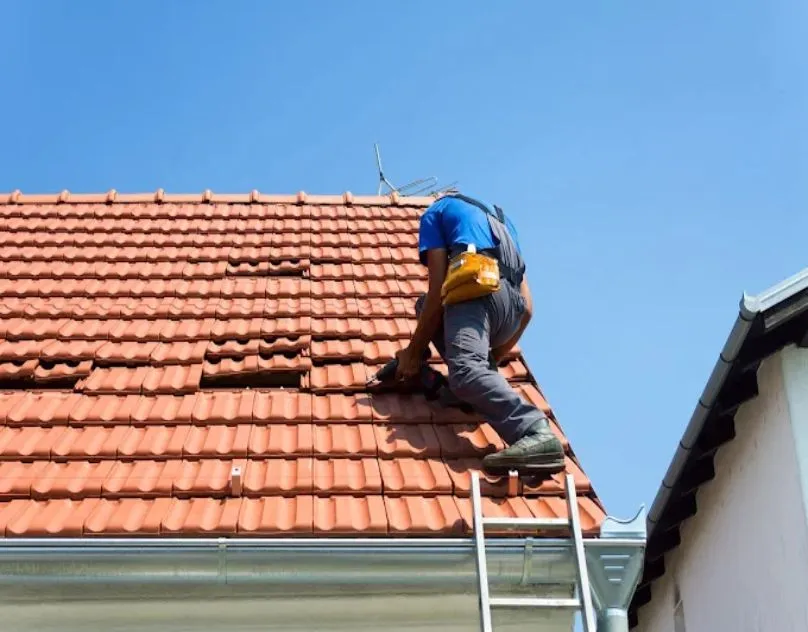

Roof Replacement becomes worth considering when an aging or damaged roof can no longer provide dependable protection. A few loose shingles or a single isolated leak may be repairable, but widespread deterioration can signal that patchwork solutions are no longer the most sensible choice. Recognizing that difference early can help homeowners protect their property and make a more informed investment.
For homeowners in Waukesha, Wisconsin, changing weather conditions can gradually take a toll on residential roofing. Snow, ice, heavy rain, strong winds, and repeated temperature changes can affect shingles and the components beneath them. The challenge is knowing when normal wear has crossed the line into a problem that requires more than a simple repair.
Signs an Aging Roof May Need Attention
Roofing problems often develop gradually rather than appearing overnight. That means homeowners may have several opportunities to identify deterioration before it becomes an emergency.
Start with the shingles. Curling edges, cracks, blistering, missing pieces, or noticeable loss of granules can indicate that the protective surface is becoming less effective. Shingles that appear unusually worn in certain sections may also point to uneven exposure or underlying problems.
Flashing deserves attention as well. These metal components help protect vulnerable areas around chimneys, vents, skylights, and roof intersections. Damaged or deteriorated flashing can create pathways for water even when the surrounding shingles appear relatively intact.
Then there are the signs homeowners notice indoors. A brown mark on the ceiling, damp insulation, peeling paint, or a musty attic smell can indicate unwanted moisture. Importantly, the location of an interior stain does not always correspond directly with the point where water entered, so simply sealing the visible area may not solve the actual problem.
When Roofing System Replacement Makes Sense
A repair can be the right answer when damage is limited and the rest of the roof remains in good condition. Replacing a few damaged shingles or correcting a small flashing issue may extend the useful life of an otherwise sound system.
The calculation changes when problems keep returning.
A roofing system replacement may be appropriate when deterioration is widespread, leaks occur in multiple locations, materials are nearing the end of their service life, or previous repairs have become increasingly frequent. In those situations, continuing to address individual symptoms may cost more over time without resolving the broader condition of the roof.
Age is an important factor, but it should never be the only factor. A roof's actual condition depends on its materials, installation, ventilation, maintenance history, weather exposure, and the quality of previous repairs.
A professional should be able to explain those factors clearly and help the homeowner understand why a particular recommendation makes sense.
Why a Professional Roof Assessment Should Come First
What can be seen from the driveway is only part of the story. A thorough roof assessment looks beyond visible shingles to evaluate the components responsible for keeping the home dry and structurally protected.
A roofing professional may inspect flashing, valleys, penetrations, ventilation, decking, underlayment, drainage areas, and signs of previous moisture intrusion. These details help determine whether the problem is isolated or whether several parts of the system have deteriorated together.
This evaluation is particularly important before installation begins. There is little value in placing new shingles over damaged decking or ignoring ventilation concerns that could affect the performance of the finished system.
An inspection also gives homeowners something valuable: clarity. Instead of guessing whether a roof needs repair or replacement, they can make the decision based on its observed condition.
Choosing Materials for a New Roofing System
The right roofing material should work with the home rather than simply look good on it. Roof slope, architectural style, ventilation, budget, maintenance expectations, and exposure to the elements can all influence the appropriate choice.
Architectural asphalt shingles are a common residential option because they provide a practical combination of appearance, durability, and cost. Other materials can offer different advantages, but no single product is ideal for every property.
Homeowners should ask about the expected performance, maintenance requirements, warranty coverage, and installation specifications associated with each option. A knowledgeable contractor can explain those differences without turning the decision into a confusing list of technical terms.
The shingles themselves are only one part of the finished assembly. Underlayment, flashing, ventilation, starter materials, ridge components, and proper fastening all contribute to how the new roofing system performs over time.
Good materials deserve good installation.
What Homeowners Can Expect During Installation
Knowing what happens before and during a roofing project can make the experience considerably less stressful.
Before work starts, the contractor should discuss the anticipated schedule, material deliveries, access to the property, protection of landscaping, debris removal, and cleanup. Homeowners may need to move outdoor furniture, decorations, vehicles, or other items away from the work zone.
It is also worth checking the attic and securing fragile belongings. Roofing activity can create vibrations that are noticeable inside the house.
During the project, existing materials are removed as necessary so the underlying surface can be examined. If damaged decking is discovered, affected sections may need to be addressed before installation continues. This step can occasionally change the final scope of work, which is why homeowners should understand in advance how unexpected conditions will be handled.
Weather can also influence scheduling. A professional contractor should communicate changes rather than leaving homeowners uncertain about when work will resume.
Common Mistakes to Avoid Before Starting the Project
Choosing a contractor based entirely on the lowest estimate is one of the easiest mistakes to make. Two proposals that appear similar on paper may differ significantly in materials, preparation, ventilation, warranties, cleanup, and workmanship.
Another mistake is treating a recurring leak as a series of unrelated problems. If the same area continues to develop moisture issues, the underlying cause deserves attention rather than another temporary patch.
It is also unwise to choose materials based solely on color or appearance. A roofing product needs to suit the property's design and the requirements of the complete assembly.
Before signing an agreement, read the scope carefully. Confirm which materials are included, whether removal and disposal are covered, how damaged decking will be handled, what warranties apply, and what happens if weather affects the schedule.
Clear expectations at the beginning can prevent unnecessary confusion later.
How Absolute Restorations Helps Homeowners Make Informed Decisions
Absolute Restorations takes a condition-first approach to residential roofing. Rather than assuming every roofing problem requires the same solution, the company evaluates the situation and helps homeowners understand the practical options available.
With more than 28 years of experience, licensed service, and insurance claim support, Absolute Restorations can assist homeowners dealing with aging roofing materials, leaks, missing shingles, and weather-related damage.
The goal is straightforward: identify the concern, explain what is happening, and recommend a solution that fits the property's actual needs. For homeowners considering residential roof replacement, that type of straightforward guidance can make a major project easier to understand from the beginning.
Whether the appropriate answer is targeted repair or a broader roofing project, having a clear assessment can help homeowners move forward with greater confidence.
Frequently Asked Questions
1. How can I tell if my roof needs more than a repair?
Recurring leaks, widespread shingle deterioration, missing materials, sagging areas, damaged flashing, and advanced age can all indicate that a larger solution may be necessary. A professional assessment can determine how extensive the problem is.
2. Can a few damaged shingles be replaced without replacing the whole roof?
Often, yes. If the damage is isolated and the surrounding roofing materials remain in good condition, targeted repairs may be sufficient. The age and overall condition of the system should still be considered.
3. How long does a new roof installation take?
The timeline depends on the size and complexity of the roof, selected materials, weather, crew size, and whether underlying damage is discovered. A contractor can provide a more accurate schedule after evaluating the property.
4. Why is roof decking important?
Roof decking forms the structural surface beneath the roofing materials. If portions have been weakened by moisture, rot, or deterioration, they may need to be repaired or replaced before new materials are installed.
5. What should I compare when reviewing roofing estimates?
Look beyond the final price. Compare the proposed materials, removal and disposal, installation details, warranties, ventilation work, cleanup, payment terms, and how unexpected damage will be handled.
6. Does homeowners insurance cover roof damage?
It depends on the policy and the cause of the damage. Sudden weather-related damage may be covered differently from deterioration caused by normal aging or lack of maintenance. Homeowners should review their policy and document the condition of the property.
7. Is the cheapest roofing estimate usually the best choice?
Not necessarily. A lower estimate may reflect differences in materials, labor, preparation, warranties, or the scope of work. A fair comparison requires looking at what each proposal actually includes.
Final Thoughts
A roof's condition is about more than what can be seen from the street. Shingles, flashing, ventilation, decking, underlayment, and installation quality all contribute to the protection of the home. Paying attention to warning signs and obtaining a professional assessment can give homeowners time to make a thoughtful decision instead of responding to an avoidable emergency.
When repair is no longer the most practical option, a properly planned project can provide a more reliable roofing system and greater peace of mind for years ahead.
Protect Your Home With Expert Roofing Solutions
If your roof is aging, leaking, or showing signs of weather-related damage, Absolute Restorations can help you determine what deserves attention. Contact the team today to schedule a professional evaluation and discuss a practical roofing solution backed by more than 28 years of experience, licensed service, and insurance claim support.




















Sign in to leave a comment.