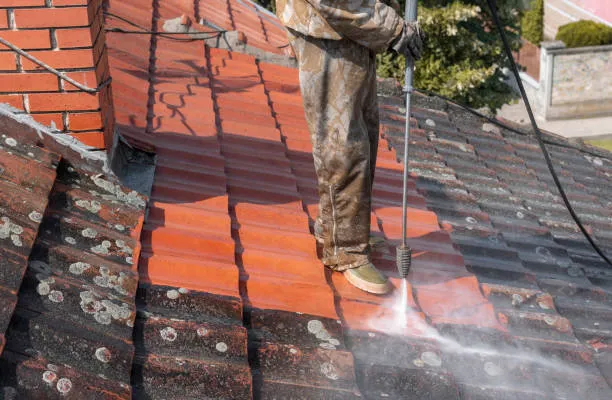

Your roof is one of the hardest-working parts of your home. It is exposed to rain, wind, heat, moisture, debris and changing weather conditions throughout the year. Over time, even a well-built roof can begin to show signs of wear. Cracked tiles, leaks, faded surfaces and deteriorating ridge capping can leave homeowners wondering whether they need roof restoration or a complete roof replacement.
For many Sydney homes, replacement is not always the first or only solution. If the roof structure remains sound, a professional roof restoration may address damaged components and improve the appearance and protective performance of the existing roof. The right option depends on the age, material and overall condition of the roof.
What Is Roof Restoration?
Roof restoration is a more comprehensive process than a simple repair or clean. Roof Restorations Sydney may involve inspecting the roof, cleaning accumulated dirt and organic growth, replacing broken tiles, repairing leaks and flashing, re-bedding loose ridge capping, re-pointing ridge capping and applying suitable coatings or finishes.
The purpose is to address deterioration while retaining the existing roof where practical. Restoration can be particularly suitable for cement and terracotta tiled roofs, depending on their condition. A professional inspection is important because every roof has different requirements.
What Is Roof Replacement?
Roof replacement involves removing all or a substantial part of the existing roofing system and installing new materials. This may be necessary when the roof has extensive deterioration, major structural problems or damage that cannot reasonably be addressed through repairs and restoration.
Because replacement is a significant project, it is generally worth having the roof professionally assessed before assuming that the entire roof needs to be removed. In some situations, targeted repairs and restoration can provide a practical alternative.
Signs Your Roof May Benefit From Restoration
Several warning signs can indicate that a roof needs professional attention. Broken, cracked or missing tiles should be addressed because they can create pathways for water entry. Deteriorated ridge capping, damaged flashing and leaking areas may also require repair.
Other signs include heavy moss or algae growth, accumulated debris, faded coatings and an overall weathered appearance. These issues do not automatically mean replacement is necessary. During an inspection, a roofer can determine whether the underlying structure remains serviceable and whether restoration is appropriate.
When Replacement May Be the Better Option
Replacement may be recommended where there is extensive structural damage, widespread material failure or deterioration beyond practical repair. Persistent problems that continue despite previous repairs may also indicate that a more extensive solution is needed.
The decision should be based on the actual condition of the roof rather than appearance alone. A roof can look old but still be structurally serviceable, while another roof may appear acceptable from the ground but have hidden damage that requires more significant work.
What Happens During a Roof Restoration?
A restoration normally begins with an inspection. The roofer assesses the roof surface and looks for damaged tiles, leaks, deteriorated mortar, flashing problems and drainage issues.
Cleaning may then be carried out using a method suitable for the roofing material and its condition. Removing dirt, moss, algae and debris can make underlying defects easier to identify. Broken or damaged tiles can be replaced, while loose ridge capping may be re-bedded and re-pointed.
Depending on the roof material and project requirements, re-colouring, glazing, sealing or other suitable finishes may form part of the restoration. The aim is to address the roof as a system rather than simply improving its appearance.
Benefits of Restoring a Roof
One of the main benefits of restoration is that it can address multiple maintenance issues at the same time. Instead of waiting for individual problems to become more serious, homeowners can deal with damaged tiles, ridge capping, leaks and surface deterioration as part of a planned project.
Restoration can also improve the overall appearance of the property. A clean and well-maintained roof contributes significantly to kerb appeal because the roof is one of the most visible parts of a home.
Another benefit is early problem identification. Cleaning and inspection can reveal defects that are difficult to see from ground level. Addressing these issues early may help prevent minor maintenance concerns from developing into more extensive repairs.
Roof Restoration and Sydney Weather
Sydney properties can experience a wide range of weather conditions. Rain, heat, wind and moisture can gradually affect roofing materials. Properties located near trees may also experience regular accumulation of leaves and organic debris.
This is why maintenance should not be based only on whether a leak is currently visible. Small defects can remain unnoticed until heavy rainfall exposes them. Regular inspection and timely maintenance can help homeowners make informed decisions about restoration or repair.
Why a Professional Inspection Matters
Roof work involves working at height and requires knowledge of different roofing materials. An experienced professional can inspect areas that are difficult or unsafe for homeowners to access and identify problems that may not be visible from the ground.
A proper assessment can also prevent unnecessary work. Rather than automatically replacing an entire roof, the inspection can identify which components require repair and whether restoration is suitable.
How to Maintain Your Roof After Restoration
Once restoration work has been completed, ongoing maintenance remains important. Periodic inspections can help identify cracked tiles, blocked gutters and deteriorating components before they become major issues.
Keeping gutters and valleys clear of debris is also important for efficient water drainage. Homes surrounded by trees may require more frequent attention due to falling leaves and branches.
If you notice staining, moss growth, water marks or damaged tiles, arrange an inspection rather than waiting for the problem to become more extensive.
Conclusion
Choosing between roof restoration and roof replacement depends on the actual condition of your roof. Restoration may be suitable when the main structure remains sound and the problems can be addressed through cleaning, repairs, ridge capping work and appropriate protective finishes. Replacement may be necessary when deterioration is widespread or structural damage is significant.
The best starting point is a professional roof inspection. Understanding the condition of your roof allows you to choose a solution based on evidence rather than guesswork. For Sydney homeowners, timely maintenance and restoration can help preserve the appearance and protective function of a roof for years to come.
FAQs
How do I know if my roof needs restoration or replacement?
A professional inspection is the most reliable way to determine the appropriate solution. The roofer can assess the roof structure, tiles, ridge capping, flashing and other components.
Can roof restoration fix leaks?
Restoration can include repairing leaks and damaged components where appropriate. The cause and extent of the leak should be identified before work begins.
How long does a roof restoration take?
The timeframe depends on the size, material and condition of the roof and the scope of work required.
Is roof cleaning included in restoration?
Cleaning is commonly an important preparation step because it removes dirt, moss, algae and debris before repairs or suitable coatings are completed.
Can all roofs be restored?
Not every roof is a suitable candidate. Extensive structural damage or severe deterioration may require replacement or a different repair approach.

























Sign in to leave a comment.