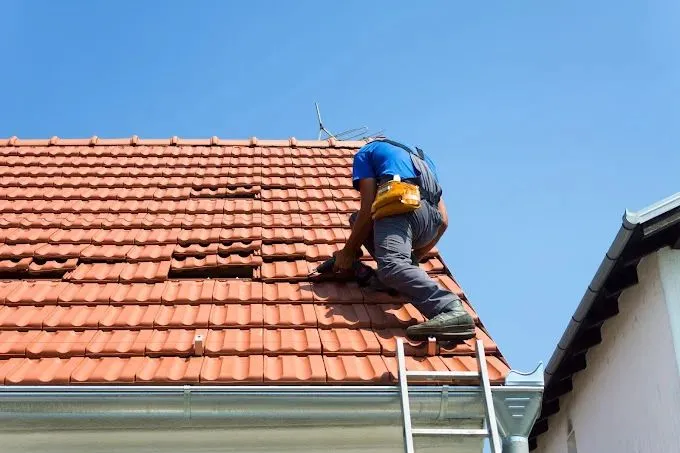

When searching for a Roofer near me, homeowners are often dealing with a problem they cannot fully see. A few missing shingles, a ceiling stain, or damage after a storm may look straightforward, yet the visible symptom does not always reveal what is happening underneath the roof.
For homeowners in Milwaukee, WI, that uncertainty can be even more important because residential roofing systems face snow, ice, hail, strong winds, heavy rain, freezing temperatures, and repeated freeze-thaw cycles. These conditions can gradually affect shingles, flashing, drainage, and areas where different roofing components meet.
Before agreeing to a repair or replacement, homeowners should know what a qualified professional should inspect, what warning signs deserve attention, and how to tell whether a recommendation is actually appropriate for the condition of the roof.
What a Local Roofing Specialist Should Look For
A dependable local roofing specialist should begin with the condition of the property rather than a predetermined solution.
Consider a ceiling stain. It may be caused by a damaged shingle, deteriorated flashing, a roof penetration, or water entering somewhere higher on the roof and traveling before becoming visible indoors. Simply covering the interior stain does not solve the source of the moisture.
A thorough evaluation should consider:
- The apparent source of the damage
- The condition of nearby shingles
- Flashing around vulnerable areas
- Roof penetrations and edges
- Signs of moisture beneath the visible surface
- Whether the problem is isolated or widespread
The homeowner should come away understanding what is wrong, why it happened, and what should happen next. That explanation is just as important as the estimate itself.
Warning Signs That Should Not Be Overlooked
Roof deterioration often develops gradually rather than appearing as one dramatic failure.
Shingles that are missing, cracked, curled, lifted, or noticeably worn can leave portions of the roof more exposed to weather. Granules accumulating in gutters may also indicate that roofing materials are losing their protective surface.
Inside the home, warning signs can include:
- Water marks on ceilings or walls
- Damp attic insulation
- Peeling paint
- Musty odors
- Moisture near roof penetrations
- Daylight visible through the attic roof deck
After severe weather, homeowners should also be alert to displaced shingles, damaged flashing, exposed areas, hail impacts, and debris-related damage.
None of these signs automatically means a complete replacement is necessary. They do, however, provide a reason to have the condition evaluated before a manageable issue develops into a larger one.
Why a Professional Roof Inspection Matters
A professional roof inspection can be especially valuable when the source or extent of damage is uncertain.
A roof is a system rather than a single layer of shingles. The condition of the underlayment, flashing, ventilation, drainage paths, roof edges, and penetrations can influence how well the entire assembly performs.
Storm damage deserves particular attention. Wind may lift or loosen roofing materials without creating an immediate leak. Hail can affect exposed surfaces while leaving the interior of the house looking completely normal. Problems may become more apparent later when rain or melting snow reaches a weakened area.
Absolute Restorations provides roof inspections and storm-related roofing services to help homeowners understand these concerns before deciding what work is appropriate.
The purpose of an inspection should not be to create unnecessary work. It should give the homeowner enough information to make a sensible decision.
When a Roof Repair May Be the Better Option
Not every damaged roof needs to be replaced.
An experienced roof repair specialist may be able to address a localized problem when the surrounding materials remain in good condition. A limited number of missing shingles, certain flashing failures, or isolated storm damage may be repairable without disturbing the entire roofing system.
Replacement becomes a different consideration when deterioration is widespread. Repeated leaks, extensive material failure, significant storm damage, or an aging system with recurring repair needs may indicate that continued patching is no longer the most practical approach.
The important distinction is between a repairable problem and a roofing system that is broadly deteriorating.
A trustworthy contractor should explain that distinction clearly. Homeowners should understand what a repair will accomplish, how long the existing materials are expected to remain serviceable, and why replacement is or is not being recommended.
How Weather Conditions Can Affect a Residential Roof
Seasonal weather can expose weaknesses that may remain unnoticed during calmer conditions.
During winter, snow and ice can place additional weight and stress on roofing components. Repeated warming and refreezing can contribute to ice dams along roof edges, where restricted drainage may allow water to move beneath roofing materials.
Strong winds create another concern. Shingles that are already weakened by age or previous weather exposure may become lifted or displaced. Hail can produce impact damage, while heavy rainfall can expose weaknesses around flashing, valleys, vents, chimneys, and skylights.
These problems can also interact. A small weakness created during one storm may become a much larger moisture issue during the next period of heavy rain or melting snow.
For that reason, homeowners benefit from addressing visible damage rather than waiting for water to appear inside the house.
What to Look for in a Roofing Company
Choosing a residential roofing company should involve more than comparing estimates.
Experience matters, but homeowners should also consider how a contractor communicates. A professional should be able to explain the condition of the roof in understandable language, distinguish urgent concerns from less pressing ones, and provide recommendations that correspond to the actual condition of the property.
Absolute Restorations brings more than 28 years of experience to residential restoration work. Its services include roof inspections, repairs, replacement, storm-damage assistance, emergency roof tarping, and ice-dam removal.
That experience is particularly valuable when the correct solution is not immediately obvious. The goal should be to determine what the home actually needs rather than assuming that every problem requires the largest available project.
Clear communication also helps homeowners understand what they are paying for before work begins.
Storm Damage Should Be Evaluated Carefully
After hail, high winds, or another severe storm, it can be tempting to climb onto the roof and look for damage personally.
That is not always safe.
Wet surfaces, loose materials, unstable sections, and hidden damage can create hazards that are difficult to recognize from above. A homeowner can look from ground level for obvious signs, but a professional evaluation is a safer way to investigate questionable areas.
A storm damage roofing specialist can look for displaced materials, impact marks, exposed areas, damaged flashing, and other visible evidence.
If insurance becomes part of the process, documentation can be useful. However, coverage depends on the homeowner's individual policy. A contractor can describe observed damage and explain the work required, but no responsible contractor should guarantee that an insurance claim will be approved.
That distinction keeps expectations realistic while giving homeowners useful information for their conversation with the insurer.
Emergency Roofing Problems Require a Quick Response
Some roofing situations cannot reasonably wait.
A storm may expose part of the roof, or heavy rain may reveal an opening that allows water into the home. Temporary protection can help limit additional exposure while permanent repairs are evaluated.
Emergency roofing assistance may be appropriate when active water intrusion is occurring. Absolute Restorations offers emergency roof tarping to help protect affected areas while the underlying problem is addressed.
Inside the home, homeowners can move vulnerable belongings away from an active leak and contain dripping water when it is safe to do so. They should avoid climbing onto a wet or damaged roof.
The objective is simple: reduce further damage without creating an additional safety problem.
Questions to Ask Before Hiring a Roofing Professional
Before approving work, homeowners should be comfortable asking:
- What is causing the problem?
- Is the damage localized or widespread?
- Can the existing materials reasonably be repaired?
- Are flashing and roof penetrations affected?
- Is there evidence of storm-related damage?
- Has moisture reached insulation or decking?
- What needs to be addressed now?
- What will the recommended work accomplish?
A clear explanation can be a valuable sign that the contractor is focused on solving the actual problem rather than simply selling a service.
FAQs
What are the most common signs of roof damage?
Missing or damaged shingles, ceiling stains, damp insulation, deteriorated flashing, excessive granules, recurring leaks, and visible moisture can all indicate a roofing problem.
Can a small leak cause serious damage?
Yes. Water can travel beyond the original entry point and affect insulation, decking, drywall, and other materials before the problem becomes obvious inside the home.
Should I check my roof after a severe storm?
A ground-level visual check can reveal obvious problems, but homeowners should avoid climbing onto a damaged roof. A professional inspection is safer and can identify damage that may not be visible from the ground.
How can I tell whether my roof needs repair or replacement?
The answer depends on the extent of damage, age of the materials, previous repairs, and overall condition. A detailed evaluation can help determine which option is more appropriate.
Can winter weather damage roofing materials?
Yes. Snow, ice, freezing temperatures, and repeated freeze-thaw cycles can place stress on roofing components. Ice dams can also interfere with drainage and contribute to moisture intrusion.
What should I do if my roof leaks during a storm?
Protect belongings from water where possible, contain active dripping if safe, and arrange professional assistance. Avoid going onto the roof while it is wet or potentially unstable.
Does storm damage mean an insurance claim will be approved?
Not necessarily. Coverage depends on the terms of the individual policy and the insurer's evaluation. A contractor can document observed damage, but the insurer determines whether the claim is covered.
Final Thoughts
Choosing roofing help should begin with understanding the condition of the home, not simply finding the lowest estimate. A careful evaluation can determine whether the problem calls for a targeted repair, storm-related work, emergency protection, or a larger roofing project.
Homeowners dealing with leaks, damaged shingles, aging materials, or weather-related concerns can benefit from addressing the issue early. Knowing what is damaged, why it happened, and what the recommended work is designed to accomplish makes the entire process easier to understand.
Get a Clear Roofing Assessment From Absolute Restorations
If your home has a leak, damaged shingles, storm-related concerns, or signs of an aging roof, Absolute Restorations can help identify what needs attention. With more than 28 years of experience, the company provides inspections, repairs, replacement services, storm-damage assistance, emergency roof tarping, and ice-dam removal.
Don't guess whether your roof needs a repair or replacement. Contact Absolute Restorations for a professional assessment and a clear recommendation for your home's next step.
























Sign in to leave a comment.