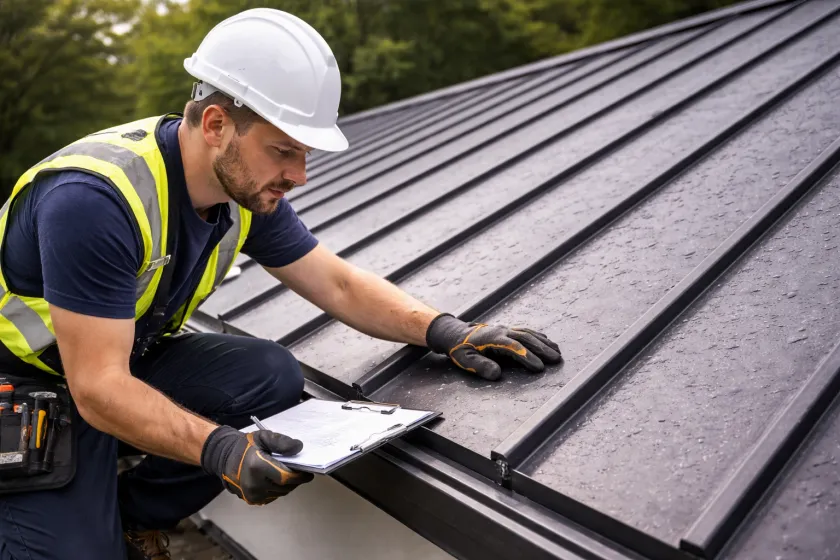

A roofing inspection checklist gives property owners a simple routine for finding damage before it turns into a leak. The core steps are to check the shingles or membrane, flashing, gutters, vents, attic, and ceilings twice a year and after every major storm. Spotting a lifted shingle or a cracked seal early costs far less than replacing soaked insulation and rotted decking.
This guide covers every checkpoint, explains what each warning sign means, and shows when it makes sense to call a professional. The advice draws on practices used by licensed contractors such as Roofing Freeport, a GAF Master Elite certified company with more than 26 years of local experience on Long Island homes and commercial buildings.
When Property Owners Should Inspect Their Roofs
Timing matters as much as technique. Most experts recommend two checkups each year, one in spring and one in fall. Spring reveals winter damage from ice and wind. Fall confirms the roof can handle the coming cold.
Extra inspections make sense after nor'easters, hail, heavy snow, or falling branches. Coastal salt air and freeze-thaw cycles wear down Long Island roofs faster than in many regions. Buyers should schedule an inspection before closing, and owners of roofs older than 15 years may want a yearly professional visit.
A few facts show why the habit pays off. Asphalt shingle roofs usually last 20 to 30 years, but storms and poor upkeep can shorten that span. Mold can start growing within 24 to 48 hours after materials get wet. Water damage also ranks among the most common reasons homeowners file insurance claims.
A Roofing Inspection Checklist for the Exterior Surface
Start from the ground with binoculars, then move to a ladder only if it is safe. Never walk on a wet, steep, or icy roof.
Shingles and Roof Surface
Look for these problems:
- Cracked, curled, or missing shingles
- Bald spots where granules have worn away
- Dark streaks or moss, which signal trapped moisture
- Sagging areas or soft spots that suggest deck damage
Granules in the gutters often point to an aging roof. Metal roofs call for a different eye: loose fasteners, scratched coatings, and failing sealant at seams. Tile roofs need a check for cracked or slipped pieces.
Flashing, Vents, and Chimneys
Flashing is the metal strip that seals joints around chimneys, skylights, and vents. It fails more often than the shingles around it. Check for rust, gaps, lifted edges, and dried sealant. Rubber vent boots also crack with age and let water slip into the attic.
Bonus Tip: Photograph each roof section from the same spot every year. Side-by-side photos make slow changes easy to see and give insurers clear proof of the roof's condition.
Gutters and Drainage
Clogged gutters push water back under the roof edge. Clear debris, confirm downspouts drain away from the foundation, and look for sagging sections or peeling paint on the fascia boards.
Interior Checks That Reveal Hidden Roof Damage
Many leaks show up inside long before they show outside. Go to the attic on a bright day and turn off the lights. Pinholes of light mean gaps in the deck or flashing. Look for damp insulation, dark stains on rafters, and a musty smell. Bathroom and kitchen fan ducts that exit through the roof deserve a glance too, since loose ducts release moisture into the attic.
On the floors below, scan ceilings and upper walls for brown rings, bubbling paint, or peeling wallpaper.
Bonus Tip: Press a dry paper towel against any suspect stain. If it comes away damp, the leak is active and needs prompt attention.
Flat and Low-Slope Roof Checkpoints for Commercial Buildings
Commercial properties often use flat membranes, and these need a different set of checks:
- Ponding water that stays longer than 48 hours after rain
- Blisters, cracks, or open seams in the membrane
- Loose or damaged flashing at parapet walls
- Clogged drains and scuppers
- Worn seals around rooftop equipment
Foot traffic from maintenance crews often causes punctures, so check the areas near HVAC units first.
Bonus Tip: Keep a roof access log that records who went up, when, and why. It makes new punctures easy to trace.
Seasonal Priorities for Long Island Roofs
Each season brings its own risks, so property owners can tailor each visit:
- Spring: Look for ice dam damage, loose flashing, and storm debris.
- Summer: Check for heat blistering, UV wear, and drains clogged after thunderstorms.
- Fall: Clean gutters, trim overhanging branches, and refresh worn sealant before freezing weather.
- Winter: Watch for heavy snow loads and attic frost, which signals poor ventilation.
Ice dams form when heat escapes through the attic and melts snow that refreezes at the eaves, which forces water under the shingles.
Warning Signs and What They Usually Mean
The table below condenses the roofing inspection checklist into signals that property owners can match to likely causes.
| Warning Sign | Likely Cause | Suggested Action |
| Missing or curled shingles | Wind damage or age | Schedule a repair soon |
| Granules in gutters | Worn shingle surface | Review replacement options |
| Stained ceiling | Active or past leak | Call a roofer promptly |
| Light visible in attic | Gaps in deck or flashing | Book a professional inspection |
| Ponding water | Poor drainage or sagging | Clear drains and inspect membrane |
| Rust on flashing | Long moisture exposure | Replace the flashing |
Things to Consider Before Making a Decision
Inspection findings lead to a choice between a do-it-yourself fix, a professional repair, and a full replacement. Weigh these points first:
- Roof age. A roof past 20 years with several problems often costs more to patch than to replace.
- Safety. Steep pitches and wet surfaces cause serious falls. Professionals carry harnesses and training.
- Warranty. Some manufacturer warranties require work by certified installers.
- Licensing and insurance. Verify both before anyone steps on the roof.
- Budget. Small repairs cost little today, while delayed repairs often grow into deck and insulation replacement.
- Documentation. Written reports and photos support insurance claims.
Property owners who complete their own roofing inspection checklist can hand those notes to a contractor, which speeds up the estimate and keeps the quote accurate.
Make Inspections a Regular Habit

A consistent roofing inspection checklist catches problems while they are still small. Twice-yearly checks, storm follow-ups, and attic reviews form a simple routine. Property owners who track roof age, record findings, and compare repair costs with replacement costs make stronger long-term choices. Review the roof's condition, the building's needs, and future plans before deciding on the next step.
Get Expert Eyes on Your Roof Before Small Issues Grow
Property owners who want a professional opinion can reach Roofing Freeport at (516) 226-8500 or [email protected]. The GAF Master Elite certified team handles residential and commercial roofs, offers free estimates, and provides 24/7 support for emergencies. Their licensed and insured crews use premium materials and back qualifying installations with a 50 year transferable warranty. Financing is available, so inspection findings can lead to repairs without delay.
FAQs
How long does a professional roof inspection take?
Most residential inspections take 30 to 60 minutes. Large commercial roofs can take a few hours.
What does a professional inspection cost?
Pricing varies by roof size and access. Many contractors offer free estimates, while detailed written reports for commercial buildings may carry a fee.
Should owners inspect after hail even if nothing looks wrong?
Yes. Hail bruises shingles and loosens granules without leaving obvious holes. A post-storm check within a few weeks also keeps insurance claim deadlines in reach.
Can a drone replace a ladder inspection?
Drones capture clear images of steep or fragile roofs and reduce fall risk. Contractors still confirm findings by hand when they spot soft areas.
Does a clean inspection help when selling a property?
Yes. A recent report shows buyers the roof's condition and can shorten negotiations over repairs.





























Sign in to leave a comment.