

A roof can develop problems long before they become easy to see from the ground. Missing shingles, small leaks, and worn flashing may seem minor at first. If left unchecked, they can affect other parts of the home.
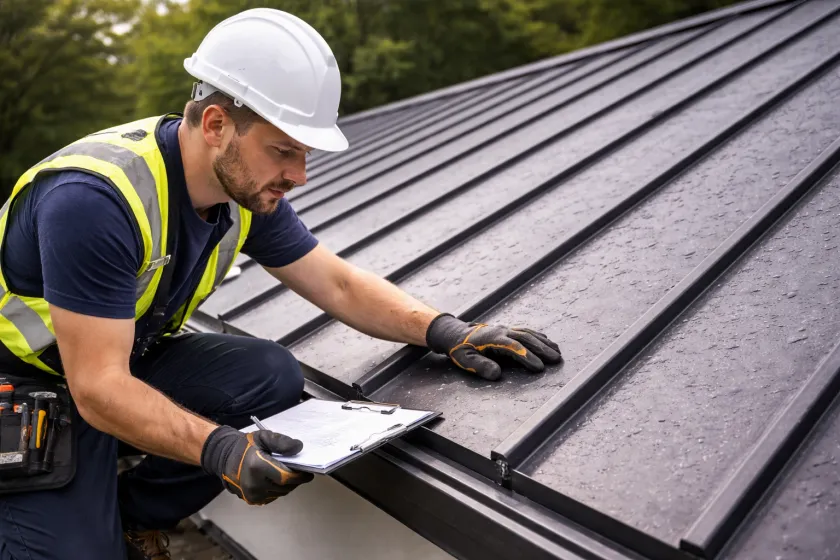
Regular roofing inspections in Grand Prairie, TX can help homeowners find these issues early. An inspection looks at the roof's visible condition and can help identify areas that may need repair, maintenance, or closer attention.
1. Damaged or Missing Shingles
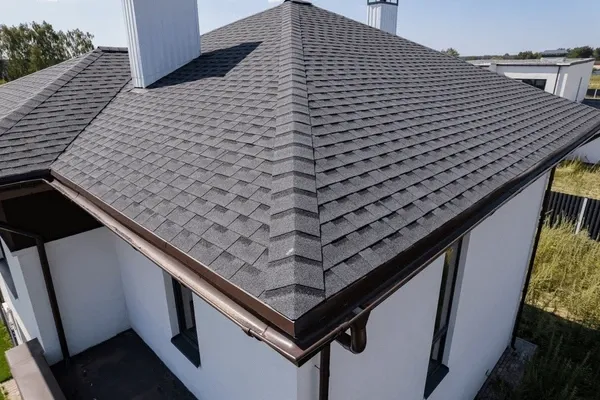
Shingles can crack, curl, loosen, or go missing over time. Strong winds, sun exposure, and normal wear can all affect their condition.
A few damaged shingles may need a simple fix. If damage covers a larger area, the roof may need a more detailed assessment.
2. Roof Leaks and Water Damage
Roof leaks are one of the most common problems found during inspections. Water may enter through damaged shingles, worn flashing, open seams, or other weak points.
A leak does not always create a large ceiling stain right away. Look for signs such as:
- Dark marks on ceilings or walls
- Damp areas in the attic
- Peeling paint
- Wet insulation
- Musty smells
Finding the source early can help prevent further water damage.
3. Worn or Damaged Flashing
Flashing helps direct water away from areas where the roof meets other structures. These areas can include chimneys, vents, skylights, and roof edges.
Damaged or loose flashing can create an opening for water. An inspector can check these areas and note signs of wear or movement.
4. Clogged or Damaged Gutters
Gutters play an important role in moving rainwater away from the roof and home. Leaves, dirt, and other debris can block normal water flow.
During an inspection, gutters and downspouts may also be checked for damage or poor drainage. Keeping them clear can help water move away from the property as intended.
5. Sagging Areas on the Roof
A roof should have a consistent shape. A visible low spot or sag may point to moisture problems or an issue with the roof structure.
Sagging should not be treated as a minor cosmetic concern. If an inspection finds this problem, further assessment may be needed to understand its cause.
6. Poor Roof Ventilation
Proper ventilation helps air move through the attic. Poor airflow can contribute to moisture buildup and may affect roofing materials over time.
An inspection can identify signs of poor ventilation, such as excess moisture or damaged attic components. Improving airflow may be part of the recommended solution.
When Should Roof Problems Be Repaired?
The right time for repair depends on the type and size of the problem. Small issues may be easier to address before they spread to other areas.
If an inspection finds damaged shingles, leaking areas, or faulty flashing, a roofing repair service in Grand Prairie, TX can assess the affected areas and determine the needed repair.
It is also helpful to keep inspection records. They can make it easier to track changes in the roof over time.
Key Takeaways
- Damaged shingles can allow water to enter the roof.
- Small leaks may cause hidden damage.
- Flashing needs attention around roof openings and edges.
- Gutters should allow rainwater to drain properly.
- Sagging areas may need further inspection.
- Poor attic ventilation can contribute to moisture problems.
- Early repairs can help address roof issues before they become more extensive.
FAQs
What does a roofing inspection check?
A roofing inspection reviews the visible condition of the roof and related components. It may include shingles, flashing, gutters, ventilation areas, and signs of leaks or damage.
How often should a roof be inspected?
The right inspection schedule depends on the roof's age, condition, and exposure to weather. Homeowners should also consider an inspection after noticing leaks, visible damage, or other changes.
What are common signs of roof damage?
Common signs include missing shingles, cracked materials, water stains, damaged flashing, sagging areas, and blocked gutters. Some problems may only become clear during a closer inspection.
Can a small roof leak cause serious problems?
Yes. Even a small leak can allow moisture into parts of the home that are not easy to see. Early attention can help reduce the chance of more extensive water damage.
What should I do after a roof inspection finds damage?
Review the inspection findings and identify which issues need attention first. A qualified roofing professional can explain the repair options based on the type and extent of the damage.
Can roof inspections help prevent repairs?
Inspections cannot prevent normal roof wear, but they can help identify problems early. Finding small issues sooner may make repairs simpler than waiting until the damage spreads.
Conclusion
Roof inspections can reveal problems that are easy to miss during a quick visual check. Damaged shingles, leaks, flashing issues, gutter problems, sagging areas, and poor ventilation are all worth checking.
If your Grand Prairie roof shows signs of damage, 911 Exteriors Roofing and Construction can help you assess the condition and determine the next step. A professional inspection can provide useful information before you decide on roof repairs.


























Sign in to leave a comment.