Roofing Solutions for Agricultural Buildings: What Should Farmers Consider?

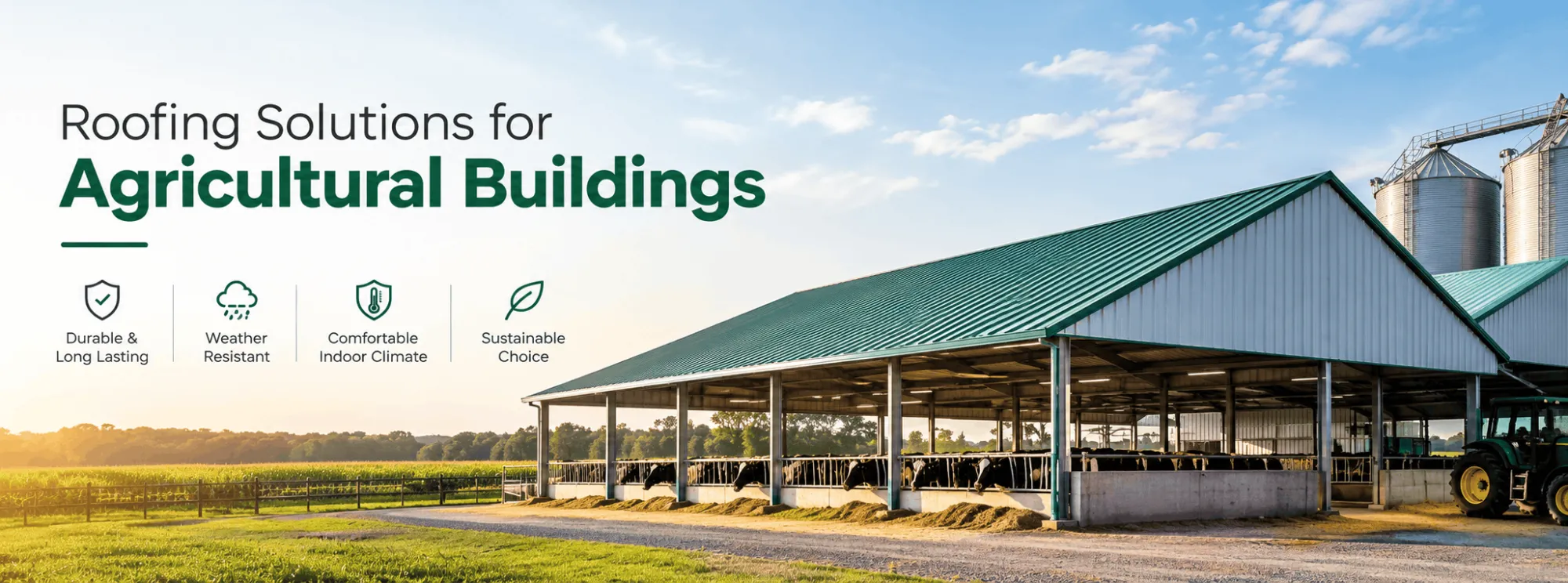
A farm building has to deal with a lot. Through all this, the roof remains one of the most important parts of the building. It has to stand up to heat, rain, wind and moisture everyday.
This is why choosing the right roofing solutions for agricultural buildings needs a little more thought than simply picking a roofing sheet that looks suitable. The purpose of the building, local weather, expected lifespan and maintenance needs all matter. A sensible choice at the beginning can help avoid leaks, rust and unnecessary repair costs later.
Think About How the Building Will Be Used
Not every agricultural building has the same purpose. A shed used for storing grain will have different needs from a cattle shelter or a building used to keep farming machinery.
So, before choosing roofing sheets for agricultural buildings,
start with a simple question: what needs to be protected underneath the roof?
The size and design of the building should also be considered. Larger sheds may require roofing sheets that are practical to handle and install across wider areas. The slope of the roof is another important factor, as it should allow rainwater to flow away rather than collect on the surface.
Pay Attention to Local Weather Conditions
Farm buildings are often exposed to the weather with very little surrounding protection. In one season, the roof may have to deal with intense sunlight, while the next could bring heavy rain and high humidity.
This makes weather conditions an important part of choosing agricultural shed roofing sheets.
If the area receives heavy rainfall, proper water drainage should be a priority. Water that remains on the roof for long periods can eventually contribute to leaks and other problems. In hotter regions, the roofing material and overall roof design can also influence how much heat builds up inside the building.
Wind should not be overlooked either. Even a strong roofing material can be damaged if it is not properly fixed to the supporting structure. Good installation plays a major role in helping the roof withstand strong weather.
Don't Look Only at the Initial Price
When choosing a roof, it can be tempting to focus on the initial cost. But the cheaper option may not always work out cheaper over several years.
Agricultural buildings can be large, and getting repairs done may take time and effort. A roof that needs frequent maintenance, repainting or replacement can gradually become more expensive.
That is why it is useful to consider the expected lifespan and upkeep requirements of roofing sheets for agricultural sheds before making a decision.
For farmers looking to reduce regular maintenance work, low maintenance roofing sheets for agricultural buildings can be a practical option. Al-Zn coated roofing sheets are worth considering in environments where corrosion resistance is important, helping farmers assess long-term roofing performance alongside maintenance requirements.
It is a good idea to inspect the roof occasionally. Loose fasteners, small cracks, damaged sheets or blocked gutters may seem minor at first, but fixing them early can prevent larger problems later.
Installation and Drainage Matter Too
Choosing the right roofing sheet is only part of the job. How the roof is installed can have just as much influence on its performance. The supporting structure needs to be suitable for the roofing material. Sheets should be properly aligned and securely fixed, particularly around edges and areas that are more exposed to wind. Understanding the structural advantages of corrugated sheets can also help when assessing their suitability for different agricultural building designs.
Ventilation is another point worth considering, especially in livestock buildings. Heat and moisture can build up inside a closed shed, making the environment uncomfortable for animals and people. Good ventilation and suitable roof openings can help air move through the building more effectively.
Rainwater also needs a clear path away from the roof. A suitable roof slope, along with properly planned gutters and downpipes, can help prevent water from collecting in unwanted areas.
A Simple Checklist Before Choosing
Before settling on a roofing option, farmers can ask a few straightforward questions:
- What is the building used for? Different uses may require different roofing considerations.
- What is the local climate like? Think about heat, rain, humidity and wind.
- How much maintenance is practical? A difficult-to-access roof may benefit from a lower-maintenance option.
- Is corrosion a concern? Moist or humid surroundings can increase the risk of rust.
- How will rainwater drain? The roof should prevent water from sitting on the surface.
- Is ventilation needed? This is particularly important for livestock sheds.
- Is the structure suitable? The supporting frame and fixing method need to match the roofing material.
- What will the long-term cost be? Consider repairs and maintenance, not just the initial purchase.
These questions may sound simple, but they can make the roofing selection process much easier, especially when the technical side of roofing is unfamiliar.
Conclusion
A good agricultural roof does more than keep the rain out. That makes the roofing choice an important part of planning any farm building. The right roofing solutions for agricultural buildings should suit the building's purpose, local weather and expected maintenance needs. Instead of choosing based only on appearance or initial price, it is better to think about how the roof will perform year after year.
A little planning before installation can go a long way. With the right material, proper installation, effective drainage and regular checks, an agricultural roof can provide dependable protection while making everyday farm maintenance easier.





Sign in to leave a comment.