

The Roopkund Trek best time depends largely on weather, snow conditions, trail accessibility, and the latest Forest Department regulations. Roopkund, popularly known as the Skeleton Lake, is a high-altitude destination in Chamoli district of Uttarakhand. The trail is famous for its dramatic Himalayan scenery, Ali Bugyal and Bedni Bugyal meadows, alpine landscapes, and views of peaks such as Trishul and Nanda Ghunti.
Traditionally, the most suitable trekking periods have been the pre-monsoon months of May and June and the post-monsoon months of September and October. Each period offers a different experience, from lingering snow and fresh green landscapes to clearer skies and autumn colors.
Best Months for the Roopkund Trek
May to June: Snow and Fresh Himalayan Landscapes
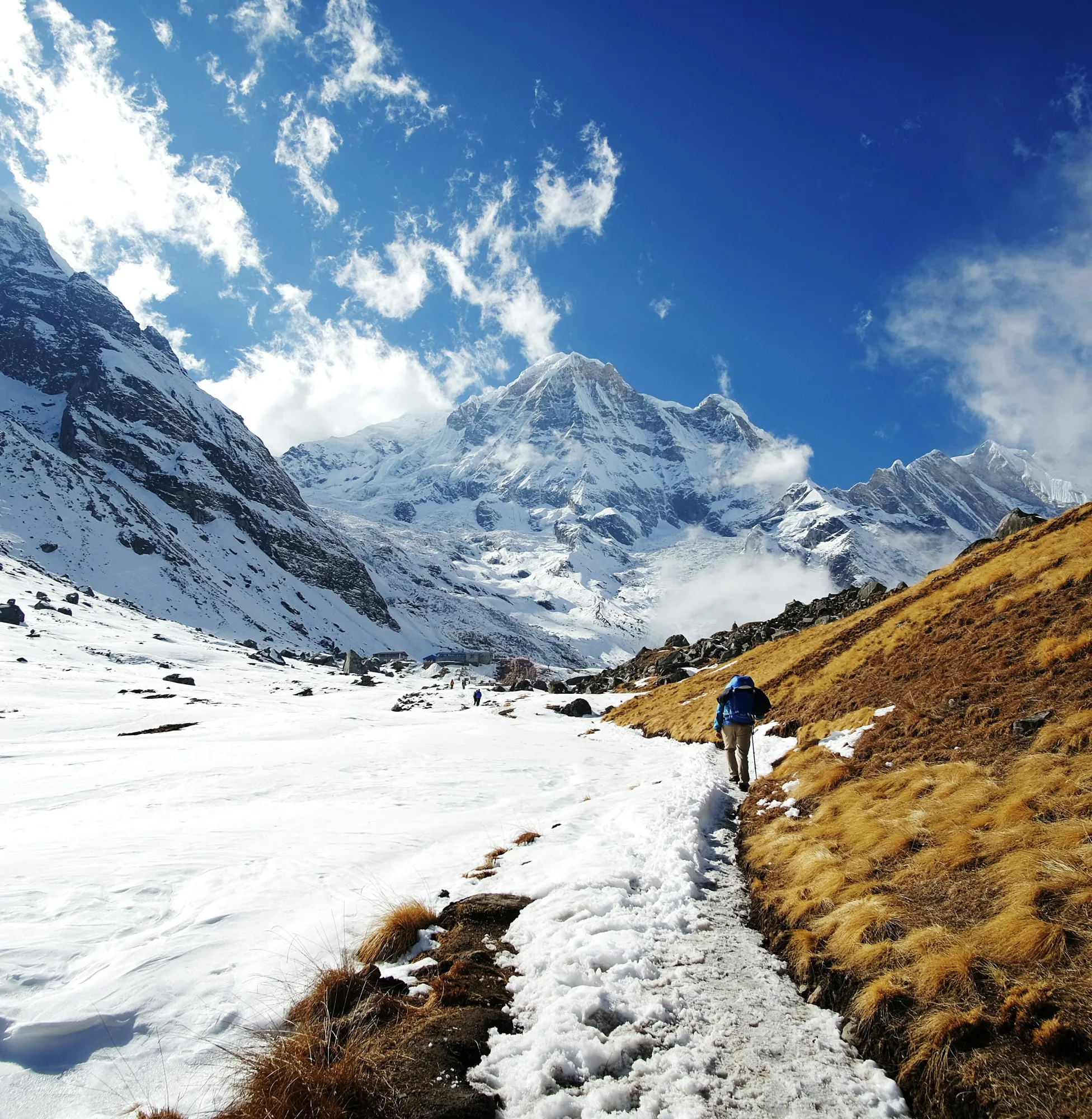
May and June are generally considered an attractive period for experienced trekkers who want to see snow along the higher sections of the route. Depending on the winter snowfall and temperatures, snow can remain around higher camps and passes.
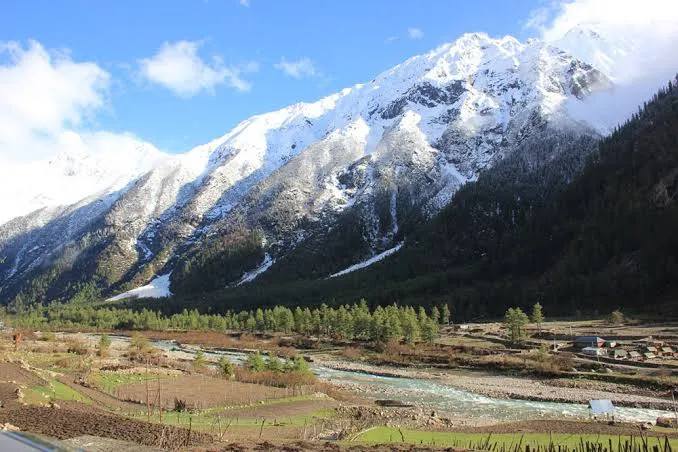
The lower parts of the trail begin turning green during this period, while the higher sections can still have a winter-like appearance. Trekkers may experience a combination of green meadows, snow patches, and impressive mountain views.
Weather conditions can still be cold at higher elevations, so proper warm clothing and suitable trekking equipment are essential.
July to August: Monsoon Season
July and August bring the monsoon to Uttarakhand. Rain can make mountain trails slippery and may increase the possibility of landslides and road disruptions on the approach to the trek.
For this reason, monsoon conditions require additional caution. Heavy rainfall can also affect transportation and visibility.
Trekkers planning Roopkund during this period should check the latest weather conditions and local Forest Department instructions before travelling.
September to October: Clearer Autumn Conditions
September and October are another important period for planning the Roopkund Trek. After the monsoon, the skies can become clearer, providing excellent mountain views.
The meadows and surrounding landscapes can look particularly scenic during early autumn. Temperatures begin falling as winter approaches, especially at higher elevations, so trekkers should be prepared for cold nights and changing weather.
For travelers interested in mountain photography and expansive Himalayan views, the post-monsoon season can provide attractive conditions when the route is officially accessible.
Roopkund Trek in May
May marks the beginning of the warmer trekking season in many parts of Uttarakhand, but Roopkund's high-altitude sections can still experience substantial snow.
Trekkers visiting in May should be prepared for cold conditions and potentially snow-covered sections of the trail. The amount of snow varies from year to year depending on winter snowfall and spring temperatures.
This month can be particularly interesting for trekkers who enjoy snowy Himalayan landscapes, but adequate preparation and experienced guidance are important.
Roopkund Trek in June
June generally brings more accessible conditions to the lower and middle sections of the trail. Snow may continue to remain at higher elevations, while the famous bugyal landscapes become greener.
Longer daylight hours can also be useful during trekking days. However, weather at high altitude remains unpredictable, and conditions can change quickly.
Trekkers should avoid assuming that conditions will be identical every year and should check the current route status before departure.
Roopkund Trek in September
September follows the main monsoon period in Uttarakhand. Weather conditions can gradually become more stable, although rainfall may still occur during the early part of the month.
The surrounding Himalayan landscapes can look fresh and green, while improving visibility can offer impressive views of the mountains.
Because Roopkund is a high-altitude trek, travelers should still monitor weather forecasts and confirm the current route and permit situation before beginning their journey.
Roopkund Trek in October
October brings the beginning of autumn and colder conditions to the higher Himalayas. Days can be pleasant when the weather is clear, while mornings and nights can become significantly colder.
The post-monsoon atmosphere can provide good visibility toward the surrounding Himalayan peaks. However, as winter approaches, snowfall and freezing temperatures can affect higher sections of the trail.
Trekkers choosing October should carry adequate insulation and be prepared for rapidly changing mountain weather.
Which Season Has the Best Views?
There is no single season that guarantees identical conditions every year. The landscape changes according to snowfall, rainfall, temperature, and local weather.
May and June can offer a combination of snow and emerging greenery, while September and October can provide clearer post-monsoon landscapes and autumn scenery.
The best period for an individual trekker therefore depends on whether they prefer snow, green meadows, clearer skies, or colder autumn conditions.
Important 2026 Roopkund Trek Update
The Roopkund route has been affected by environmental and legal restrictions in previous years. In July 2026, the Supreme Court set aside certain directions from the 2018 Uttarakhand High Court order concerning overnight stays and visitor limits in the state's high-altitude bugyals. The Forest Department's subsequent instructions still require conservation measures and compliance with the remaining regulations.
Therefore, travelers should not rely only on older articles when planning a Roopkund Trek. The availability of a particular route, campsite, permit, or departure can depend on current Forest Department instructions. Confirm the latest status with the relevant forest authorities or a registered trekking operator before booking transportation or accommodation.
Weather Conditions on the Roopkund Trek
Roopkund reaches an elevation of around 4,800 metres, so conditions can be considerably colder and more unpredictable than at the base villages.
Weather can change quickly, particularly at higher elevations. Rain, snowfall, strong winds, cloud cover, and sudden temperature drops are possible depending on the season.
Trekkers should therefore carry appropriate layers, waterproof protection, gloves, warm socks, and reliable trekking shoes regardless of their chosen month.
What Should You Carry?
Preparing according to the season is essential. A typical Roopkund trekking backpack should include:
- Sturdy trekking shoes
- Warm thermal layers
- Fleece or insulated jacket
- Waterproof jacket
- Waterproof backpack cover
- Warm gloves and socks
- Sunglasses
- Sunscreen and lip balm
- Water bottle
- Personal medicines
- Basic first-aid supplies
- Headlamp
- Power bank
- Identification documents
- Trekking poles, if required
For early-season trips, additional protection against snow and cold may be necessary.
Fitness Preparation
Roopkund is a demanding high-altitude trek, so physical preparation should not be overlooked. Regular walking, jogging, stair climbing, and cardiovascular exercises can help build endurance before the journey.
It is also important to become comfortable with walking for several hours while carrying a backpack. Trekkers should maintain a steady pace and allow their bodies sufficient time to adjust to increasing altitude.
If symptoms associated with altitude illness develop, trekkers should take them seriously and follow professional or local guidance rather than continuing upward.
Conclusion
The Roopkund Trek best time is generally associated with May to June and September to October, but actual trekking conditions depend on annual snowfall, rainfall, temperature, route conditions, and official permissions.
May and June can provide snowy high-altitude scenery and emerging green meadows, while September and October can offer fresh post-monsoon landscapes and clearer mountain views. Regardless of the season, Roopkund requires careful preparation because of its high altitude and changing Himalayan weather.
Most importantly, travelers planning the trek in 2026 should verify the latest Forest Department rules, permits, approved campsites, and route status before departure. With appropriate preparation and responsible trekking practices, the Roopkund region offers a remarkable Himalayan experience filled with high-altitude meadows, dramatic mountain scenery, and unforgettable landscapes.


























Sign in to leave a comment.