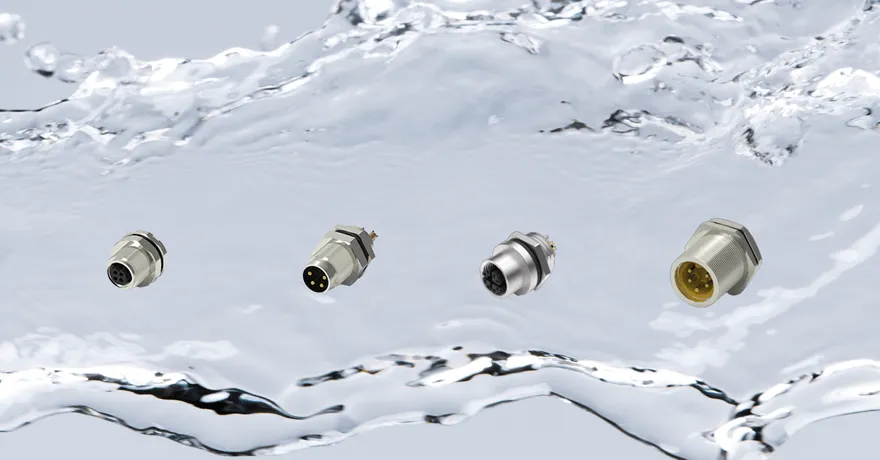

Modern electrical and electronic systems increasingly operate in environments where moisture, dust, vibration, and changing temperatures can create serious challenges. From marine equipment and outdoor machinery to industrial automation and underwater systems, reliable electrical connections are essential. Choosing the right connector can help protect sensitive wiring while maintaining stable signal and power transmission.
Round Compact 2-8 Core Watertight Connectors are designed for applications where space is limited but dependable environmental protection is required. Their compact round construction allows them to fit into restricted installation areas while providing multiple contact options for different wiring requirements. This guide explains their features, benefits, applications, selection factors, and installation considerations.
What Are Round Compact 2-8 Core Watertight Connectors?
These connectors are circular electrical connection components designed to join cables or wires while helping prevent water and moisture from reaching internal contacts. The “2-8 core” range refers to connector configurations that can accommodate different numbers of electrical contacts, depending on the specific model.
A compact design can be particularly useful when equipment manufacturers need to save installation space. Instead of using a larger connector or multiple individual connections, one appropriately configured connector can provide several electrical paths within a relatively small housing.
The watertight construction generally combines sealing components, a protective connector body, and secure mating mechanisms. Depending on the design and application, connectors may be manufactured using durable plastics, metals, or other materials selected for environmental and mechanical requirements.
Key Features to Consider
When selecting a connector for demanding environments, several technical characteristics deserve attention.
Compact Construction
Limited installation space is common in machinery, control cabinets, robotics, sensors, and marine equipment. A compact circular connector can help designers make better use of available space without unnecessarily increasing the size of the surrounding assembly.
Multiple Core Options
Different electrical systems require different numbers of contacts. A connector range covering two through eight cores provides flexibility for simple circuits as well as applications requiring several independent electrical connections.
Watertight Protection
Moisture can cause corrosion, short circuits, insulation deterioration, and unreliable electrical performance. Properly sealed connectors help reduce the risk of water entering the connection area, making them suitable for many outdoor, marine, and industrial environments.
However, the exact level of protection depends on the connector's specifications and installation conditions. Users should always verify the applicable IP rating and environmental requirements before installation.
Secure Connection
Vibration and mechanical movement can gradually loosen poorly secured connections. A suitable locking mechanism helps keep the mating components firmly connected during operation. This is especially important for machinery, vehicles, marine equipment, and other systems exposed to movement.
Benefits for Industrial Applications
The main advantage of these connectors is the combination of environmental protection and installation flexibility. Industrial equipment may operate near water, oil, dust, chemicals, or heavy machinery. A properly selected connector can provide an additional layer of protection for the electrical interface.
Space efficiency is another important benefit. Equipment designers often need to install wiring in small compartments where conventional connectors may be too large. The circular compact format can simplify cable routing and help maintain a cleaner installation.
Another benefit is maintenance convenience. A connectorized cable system can make it easier to disconnect equipment during inspection, replacement, or servicing compared with permanently joined wiring. This can reduce the complexity of maintenance procedures when connectors are correctly specified and installed.
Common Applications
Round Compact 2-8 Core Watertight Connectors can be used across a variety of industries where reliable electrical connections are required in challenging environments.
Marine Equipment
Marine systems are frequently exposed to humidity, splashing water, and saltwater environments. Watertight connectors can be used in equipment such as marine sensors, lighting systems, navigation equipment, communication devices, and other electrical assemblies.
Outdoor Electronics
Outdoor control systems and electronic equipment must cope with rain, condensation, temperature changes, and airborne contaminants. Properly sealed cable connections can help protect electrical interfaces in these environments.
Industrial Automation
Factory automation equipment may include sensors, motors, controllers, and monitoring systems connected through numerous cables. Compact connectors can support efficient wiring while providing protection in environments where moisture and dust may be present.
Robotics and Machinery
Moving machinery can place additional stress on cable connections. A connector with appropriate mechanical retention and environmental protection can help maintain reliable electrical continuity during operation.
LED and Lighting Systems
Outdoor lighting installations often require electrical connections that can withstand exposure to rain and humidity. Compact multi-core connectors can support power and control wiring while helping protect the connection point.
How to Choose the Right Connector
Selecting the correct connector involves more than simply counting the number of cores. Start by determining how many electrical contacts your application requires. A two-core connector may be sufficient for a simple circuit, while more complex equipment may require six, seven, or eight contacts.
Next, check the electrical specifications. Important factors can include rated voltage, rated current, contact resistance, insulation characteristics, and wire-size compatibility. The connector should be suitable for the electrical load rather than selected solely according to physical dimensions.
Environmental protection is equally important. Review the specified IP rating and determine whether it matches the conditions where the connector will operate. If the equipment is exposed to continuous water, immersion, salt spray, or harsh industrial contaminants, additional environmental specifications may be necessary.
Material selection should also be considered. The connector housing needs to withstand the expected temperature range, mechanical stress, chemicals, and UV exposure where applicable.
Finally, examine the connector's dimensions, cable entry size, locking mechanism, and installation method. A connector that fits electrically but cannot be properly installed in the available space may not be suitable for the project.
Installation and Maintenance Tips
Correct installation is essential for achieving reliable performance. Before connecting the components, inspect the housing, contacts, seals, and cable for visible damage or contamination. Make sure the cable diameter is compatible with the sealing system.
Follow the manufacturer's assembly instructions carefully. Avoid excessive force when mating the connector, as improper handling can damage contacts or sealing components. If the connector includes a locking mechanism, ensure it is fully engaged.
Cable routing also matters. Avoid excessive bending or pulling directly on the connector. Where necessary, use suitable strain relief to prevent mechanical loads from being transferred to the electrical contacts.
Regular inspection can help identify problems before they affect system operation. Check for cracked housings, damaged seals, corrosion, loose connections, or signs of water intrusion. In harsh environments, maintenance intervals may need to be more frequent.
Why Connector Quality Matters
A connector is a relatively small component, but its failure can affect an entire electrical system. Poor sealing may allow moisture to reach contacts, while inadequate mechanical strength can lead to intermittent connections or cable damage.
High-quality Round Compact 2-8 Core Watertight Connectors should therefore be evaluated according to their electrical performance, sealing capabilities, mechanical construction, and compatibility with the intended environment. Checking technical specifications before purchase helps ensure that the connector is appropriate for the application.
Hysfsubsea for Watertight Connectivity
Hysfsubsea focuses on connector and cable solutions designed for demanding environments where dependable electrical connectivity is important. Its product range can be considered by businesses and equipment designers looking for watertight connection solutions for industrial, marine, and outdoor applications. When selecting products from Hysfsubsea, users should review the individual connector's specifications, including core configuration, electrical ratings, sealing performance, dimensions, and environmental suitability, to identify the appropriate solution for their project.
Conclusion
Selecting the right watertight connector can improve the reliability, protection, and maintainability of electrical equipment operating in challenging conditions. Compact circular designs provide a practical option when installation space is restricted, while multiple core configurations offer flexibility for different wiring requirements.
Before purchasing Round Compact 2-8 Core Watertight Connectors, consider the number of contacts, electrical ratings, environmental protection, materials, dimensions, locking system, and cable compatibility.
Proper installation and regular inspection are equally important for maintaining dependable performance over time. By matching connector specifications to the actual operating environment, equipment designers and installers can create safer and more reliable electrical systems.

























Sign in to leave a comment.