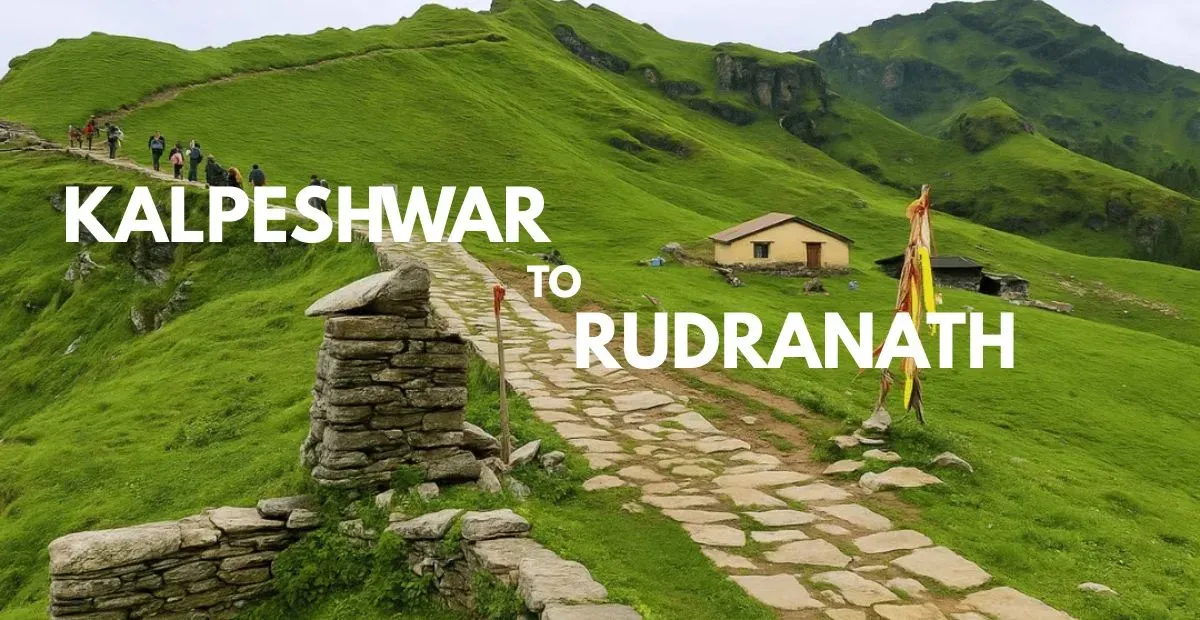

The rudranath trek is one of the most spiritually significant and scenic trekking experiences in Uttarakhand. Located in the Garhwal Himalayas, Rudranath Temple is one of the five sacred Panch Kedar temples dedicated to Lord Shiva. The journey to this remote shrine combines pilgrimage with adventure, taking trekkers through dense forests, alpine meadows, mountain ridges, and peaceful Himalayan landscapes.
Unlike a conventional temple visit, reaching Rudranath requires a considerable trek through challenging mountain terrain. The traditional route begins from Sagar Village near Gopeshwar and gradually moves through beautiful Himalayan landscapes before reaching the sacred temple. Along the way, trekkers encounter places such as Pun Bugyal and Panar Bugyal, where expansive meadows and mountain views create memorable moments.
The combination of spirituality, natural beauty, and physical adventure makes the Rudranath journey special. Whether you are visiting as a pilgrim or looking for a meaningful Himalayan trekking experience, proper planning and preparation are essential.
Where Is Rudranath Temple Located?
Rudranath Temple is situated in the Chamoli district of Uttarakhand at a high altitude in the Garhwal Himalayas. The temple is surrounded by dramatic mountain landscapes and remains considerably more remote than several other well-known Himalayan pilgrimage destinations.
Rudranath is traditionally associated with the Panch Kedar pilgrimage circuit, which includes Kedarnath, Tungnath, Rudranath, Madhyamaheshwar, and Kalpeshwar. According to Hindu tradition, these temples are associated with Lord Shiva and are important pilgrimage destinations in the Uttarakhand Himalayas.
The remote setting of Rudranath adds to its appeal. There are no conventional urban surroundings near the temple, and much of the journey takes place along mountain trails. Trekkers should therefore expect a basic and natural environment rather than the facilities commonly found in towns and major tourist destinations.
Why Is the Rudranath Trek Special?
The rudranath trek stands out because it combines religious significance with a genuine Himalayan trekking experience. The trail takes you away from busy roads and developed tourist areas and into quieter mountain landscapes.
One of the most rewarding aspects of the journey is the changing scenery. Lower sections of the trail can include forests and village landscapes, while higher sections open into alpine meadows and mountain ridges. Panar Bugyal is particularly known for its wide-open surroundings and views of the Himalayan peaks.
The spiritual atmosphere also makes the trek different from many adventure-focused routes. The destination is an ancient Shiva temple, and many pilgrims undertake the journey with a strong sense of devotion.
For trekkers, however, the experience is not only about reaching the temple. Walking through forests, crossing mountain trails, spending time in remote camps, and witnessing the changing Himalayan landscape are all important parts of the journey.
Traditional Route to Rudranath
The traditional Rudranath route starts from Sagar Village, located near Gopeshwar. From the starting point, the trail gradually enters the Himalayan landscape and continues through forests and mountain terrain.
One commonly described itinerary takes trekkers toward Leuti Bugyal and Panar Bugyal before continuing to Rudranath. The route involves uphill and downhill sections, making it important to maintain a comfortable pace.
The exact daily distance can vary according to the itinerary and camping locations selected by the trek operator. Some itineraries divide the journey into multiple walking days to make the high-altitude route more manageable.
Before starting, trekkers should confirm the current trailhead, daily distances, camping arrangements, and route conditions. Mountain routes can change because of weather, road conditions, and local circumstances.
Rudranath Trek Distance
The rudranath trek distance varies depending on the route and starting point. The traditional route from Sagar Village is commonly described as roughly 20–21 km one way, although exact distances can differ between itineraries.
Rather than considering distance alone, trekkers should also consider elevation gain and the character of the trail. A 15-kilometre mountain walk can be considerably more demanding than the same distance on a flat road.
The trail includes forest sections, open meadows, ridges, and steep portions. As you approach higher elevations, the terrain can become more challenging, particularly when weather conditions change.
If you are planning the trek, ask your trek operator for a day-by-day itinerary showing the approximate walking distance, altitude, camping points, and expected trekking hours. This makes it easier to prepare physically and mentally for the journey.
Scenic Highlights Along the Route
The route to Rudranath offers a variety of landscapes, making the journey visually rewarding from beginning to end.
Dense Himalayan Forests
The initial sections of the trail can pass through dense forests filled with Himalayan vegetation. Walking through these quiet forest paths provides a peaceful contrast to the open landscapes found at higher elevations.
Alpine Meadows
As the trail gains altitude, forests gradually give way to expansive alpine meadows. Places such as Panar Bugyal are among the scenic highlights of the journey. During the suitable season, the meadows provide beautiful views of the surrounding mountains.
Mountain Ridges
Ridge sections offer opportunities to see the surrounding Garhwal landscape from higher viewpoints. Clear weather can provide impressive Himalayan panoramas.
Remote Villages and Mountain Life
The journey also provides glimpses of traditional Himalayan life. Villages along the approach route reflect the rural character of Uttarakhand and provide a connection between the cultural and natural sides of the trek.
Best Time for the Rudranath Trek
Choosing the right season is important for a successful rudranath trek. The route is generally more accessible during the warmer months when snow conditions are manageable and trekking trails are comparatively suitable.
The summer period can offer pleasant daytime conditions and green mountain landscapes. The monsoon season, however, can bring heavy rainfall, slippery trails, landslides, and difficult road conditions in parts of Uttarakhand.
Post-monsoon months can provide clearer mountain views and fresh landscapes. However, temperatures can fall considerably at higher elevations, particularly during the night.
Before leaving, always check the latest weather forecast and local trail conditions. Himalayan weather can change quickly, and conditions at higher elevations may differ significantly from those in nearby towns.
Physical Preparation for the Trek
The Rudranath route includes substantial walking and elevation changes, so physical preparation should begin before the trek.
You do not necessarily need to be an experienced mountaineer, but you should be comfortable with several hours of walking on uneven terrain. Regular walking, stair climbing, jogging, or other cardiovascular exercises can help improve endurance.
A few weeks before the trek, gradually increase the duration of your walks. Including uphill and downhill training can also help prepare your legs for mountain terrain.
It is equally important to avoid starting too quickly on the actual trail. Maintain a steady pace, take appropriate breaks, stay hydrated, and listen to your trek leader's instructions.
What to Pack for the Rudranath Trek?
Packing appropriately can make a major difference during a high-altitude Himalayan trek. Your backpack should contain essential items without becoming unnecessarily heavy.
Some useful items include:
- Comfortable and sturdy trekking shoes
- Warm layers and thermal clothing
- Waterproof or rain-resistant jacket
- Quick-dry trekking clothes
- Woollen socks
- Gloves and a warm cap
- Sunglasses and sunscreen
- Reusable water bottle
- Personal medicines and a basic first-aid kit
- Headlamp or flashlight
- Personal hygiene products
- Power bank
- Identification documents
- Small backpack for daily use
Weather protection is particularly important because conditions can change quickly in the mountains.
Accommodation During the Trek
Accommodation on the Rudranath route is generally basic compared with hotels in towns. Depending on the itinerary, trekkers may stay in camps, guesthouses, homestays, or simple shelters along the route.
Camping allows trekkers to experience the Himalayan environment more closely. Nights at higher elevations can be cold, so suitable sleeping bags and warm clothing are essential.
If you are travelling with a trek operator, confirm what accommodation and camping equipment are included in the package. It is also useful to ask about meals, support staff, permits, transportation, and emergency arrangements before booking.
Food and Water on the Route
Food availability becomes limited as you move deeper into the mountains. Trekking packages generally arrange meals during organized treks, but travelers should confirm the inclusions before departure.
Simple, nutritious meals are usually more practical during a mountain trek. Foods containing carbohydrates can provide energy for long walking days, while adequate protein and hydration support recovery.
Carry enough drinking water for each walking section and use reliable purification methods when required. Avoid depending entirely on natural water sources without confirming that the water is safe to drink.
Safety Tips for the Rudranath Trek
Safety should always be a priority when undertaking a remote Himalayan trek.
First, keep your trek leader informed about any difficulty you experience. Do not leave the group without informing your guide, especially on unfamiliar sections of the trail.
Weather is another important consideration. Rain, fog, strong winds, and sudden temperature drops can affect visibility and trail conditions. Follow the instructions of local guides if conditions become unfavorable.
Altitude should also be taken seriously. Walk at a steady pace, stay hydrated, and allow your body time to adjust to increasing elevation. If you experience unusual or severe symptoms, inform your trek leader immediately.
It is also advisable to carry identification, emergency contact information, and essential personal medication.
Rudranath Trek and Spiritual Experience
For many visitors, the spiritual aspect is the central reason for undertaking this journey. Rudranath Temple is traditionally regarded as one of the Panch Kedar shrines, giving the destination deep religious significance.
The remote location contributes to the peaceful atmosphere surrounding the temple. After several days of walking through forests and meadows, arriving at the shrine can be an emotionally meaningful experience for pilgrims.
At the same time, travelers should respect the religious character of the destination. Maintaining cleanliness, following local customs, respecting temple guidelines, and avoiding unnecessary disturbance help preserve the sanctity of the area.
How to Plan Your Rudranath Trek
A successful rudranath trek begins with good planning. Start by selecting your preferred route and confirming the trailhead. Next, check the number of trekking days and daily walking distances.
Choose a reliable trek operator if you are not familiar with Himalayan trekking. Confirm what is included in the package, particularly accommodation, meals, transportation, guides, camping equipment, permits, and safety arrangements.
You should also consider your travel time to and from the trek's starting point. Reaching the trailhead can itself involve a road journey through mountainous terrain.
Finally, keep some flexibility in your schedule. Mountain weather can occasionally cause delays, and having an additional buffer day can make your overall travel plan more comfortable.
Responsible Trekking Practices
The beauty of the Rudranath region depends on its relatively peaceful and natural environment. Trekkers have an important role in protecting it.
Avoid throwing plastic, food packaging, or other waste along the trail. Carry your waste back and dispose of it responsibly. Avoid damaging plants or disturbing wildlife.
Respect local communities and their traditions. Keep noise levels low, particularly near villages, campsites, and religious locations.
Responsible trekking helps preserve the Himalayan environment while ensuring that future visitors can enjoy the same landscapes.
Frequently Asked Questions About the Rudranath Trek
1. Where does the Rudranath Trek start?
The traditional Rudranath route commonly starts from Sagar Village near Gopeshwar in Uttarakhand. However, the exact trailhead can vary depending on the itinerary and route selected.
2. How long is the Rudranath Trek?
The rudranath trek distance varies according to the route. The traditional route from Sagar Village is commonly described as approximately 20–21 km one way, but the distance can differ between itineraries.
3. Is the Rudranath Trek difficult?
The trek involves long walking days, elevation gain, uneven terrain, and steep sections. A reasonable level of fitness and prior preparation is recommended.
4. What is the best time to visit Rudranath?
The most suitable trekking periods generally fall outside the peak monsoon season. Summer and post-monsoon periods can offer different experiences, but weather and trail conditions should always be checked before departure.
5. Is Rudranath part of Panch Kedar?
Yes. Rudranath is traditionally recognized as one of the five Panch Kedar temples dedicated to Lord Shiva.
6. What should I carry for the Rudranath Trek?
Essential items include sturdy trekking shoes, warm clothing, rain protection, water bottles, personal medication, a first-aid kit, a headlamp, sunglasses, sunscreen, and necessary identification documents.
7. Is prior trekking experience necessary?
Previous Himalayan trekking experience can be helpful, but it is not the only factor. Good physical fitness, proper preparation, appropriate equipment, and following experienced guides can make the journey more manageable.
8. Are accommodation and meals available during the trek?
Depending on the route and itinerary, trekkers may use camps, guesthouses, homestays, or simple shelters. Organized trek packages may include accommodation and meals, so check the package details before booking.
9. Can I combine Rudranath with Kalpeshwar?
Yes, some trekking itineraries combine Rudranath and Kalpeshwar as part of a longer Panch Kedar or Himalayan pilgrimage journey. The combined itinerary is considerably longer and should be planned according to available time, fitness, and route conditions.
10. What makes the Rudranath Trek special?
The trek combines religious significance with Himalayan adventure. Forest trails, alpine meadows, mountain ridges, remote landscapes, and the sacred Rudranath Temple create an experience that is different from a conventional sightseeing trip.
Final Thoughts
The rudranath trek offers a unique opportunity to experience the spiritual and natural beauty of Uttarakhand's Garhwal Himalayas. From the traditional trails around Sagar Village to the peaceful alpine meadows and the sacred Rudranath Temple, every stage of the journey adds something different to the experience.
The trek requires preparation, patience, and respect for the mountain environment. With suitable fitness, reliable equipment, proper planning, and attention to weather and trail conditions, trekkers can enjoy a rewarding journey through one of Uttarakhand's most remarkable Himalayan landscapes.






















Sign in to leave a comment.