
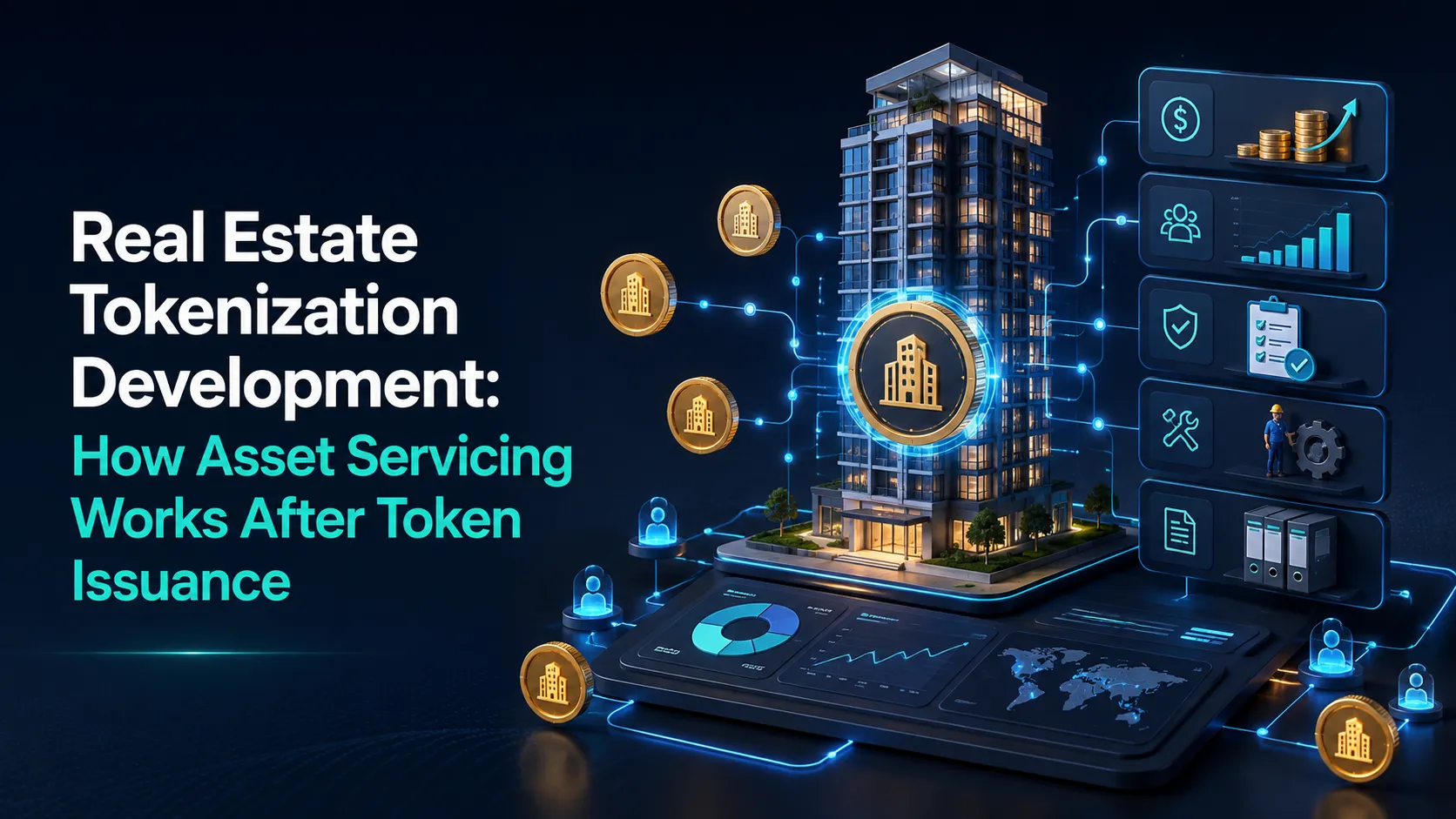
Real-world assets can pass through many stages during their financial and operational life. A property may generate rental income, a bond may reach maturity, a private credit agreement may receive scheduled repayments, and a commodity may change ownership several times. When these assets are represented as digital tokens, managing these events becomes an important part of the overall system.
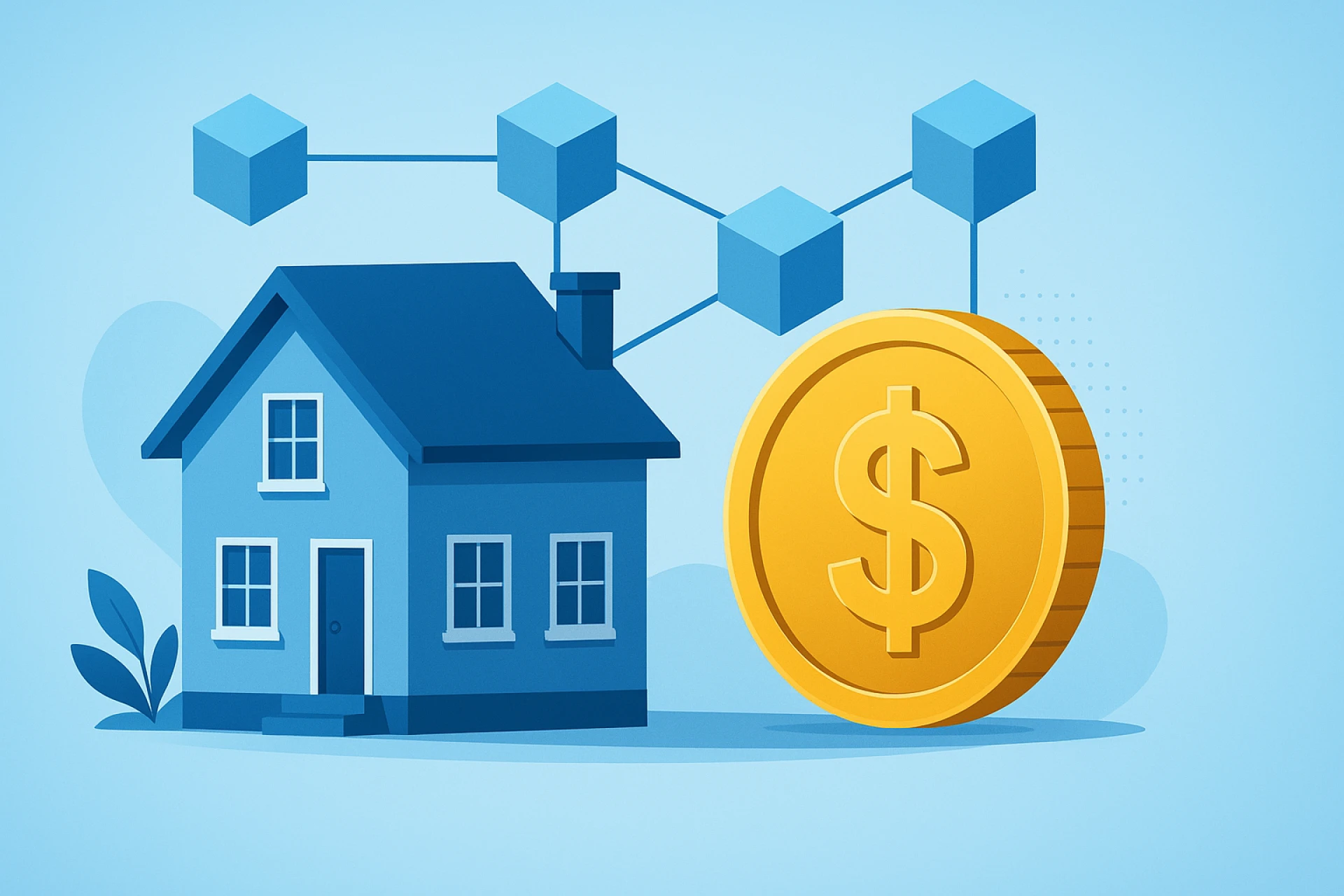
RWA tokenization development connects physical or financial assets with blockchain-based records. The token itself represents rights or claims associated with an asset, while smart contracts can define what happens when certain events occur. Instead of treating token issuance as the final stage, platforms can use smart contracts to manage activities that continue throughout the asset's life.
This approach gives RWA tokenization a wider role in financial operations. Smart contracts can monitor predefined conditions, record event outcomes, calculate distributions, update token states, and interact with other blockchain components. However, their usefulness depends on how the asset, legal structure, external data, and investor rights are represented within the platform.
What Are Asset Lifecycle Events in RWA Tokenization?
An asset lifecycle event is an activity that changes the financial, ownership, or operational status of an asset. In a traditional setting, these events may involve property managers, banks, custodians, fund administrators, registrars, legal teams, and other parties. Each participant may maintain separate records and follow different procedures.
With RWA tokenization, these activities can be connected to token records through predefined smart contract rules. The contract can determine what should happen after an approved event is recorded. For example, a rental payment could trigger a distribution calculation, while a bond maturity event could initiate repayment procedures.
Lifecycle events can vary according to the asset category. Real estate may involve rent collection, property sales, refinancing, or ownership transfers. Bonds may involve coupon payments and maturity. Private credit may involve principal repayments, interest payments, defaults, or restructuring. Funds can have subscriptions, redemptions, distributions, and periodic valuation events.
This means an RWA platform needs more than token issuance functionality. Its design may also require event processing, identity checks, asset records, payment handling, reporting, and governance functions.
How Could Smart Contracts Receive Lifecycle Events?
Smart contracts do not independently understand events taking place in the physical world. They operate according to blockchain data and predefined conditions. Therefore, a system needs a trusted method for bringing external information into the blockchain.
For example, suppose a tokenized property generates monthly rental income. The blockchain cannot directly know whether the tenant paid rent into an off-chain bank account. An approved data source, administrator, oracle, or payment integration may need to confirm the event.
Once the event is verified, the smart contract can process the corresponding blockchain action. It could calculate how much each eligible token holder should receive according to token balances and distribution rules.
An RWA tokenization company therefore needs to consider both smart contract logic and external event verification. The blockchain component manages digital records and rules, while external systems provide information about events that occur outside the network.
Lifecycle Event 1: Asset Issuance
The lifecycle can begin when an asset is represented through digital tokens. Before issuance, the platform may record information about the asset, ownership structure, valuation, legal entity, and investor restrictions.
A smart contract can define the total token supply, transfer conditions, eligibility requirements, and distribution logic. Once the issuance process receives the required approvals, tokens can be assigned to eligible investors.
For example, a property held through a special purpose vehicle could be represented by a defined number of tokens. Each token may correspond to an economic interest according to the legal arrangement.
During RWA tokenization development, developers may therefore create separate contract components for issuance, investor eligibility, transfers, and lifecycle events rather than placing every function into one contract.
Lifecycle Event 2: Ownership Transfer
Ownership changes are common in asset markets. A token holder may sell tokens to another eligible investor, or an approved transfer may occur through a secondary market.
A smart contract can check whether the recipient meets the applicable requirements before allowing the transfer. Depending on the legal and regulatory framework, restrictions may include jurisdiction, investor type, holding period, or identity status.
Once the transfer satisfies the required conditions, the contract can update token balances. The transaction creates a blockchain record showing the movement of the digital representation.
For a real-world asset tokenization company, transfer logic needs to reflect the legal rights associated with the asset. A token transfer does not automatically transfer physical ownership unless the legal structure recognizes that relationship.
Lifecycle Event 3: Income Distribution
Income distribution is one of the more practical applications of smart contracts in RWA systems. Assets such as rental properties, bonds, private credit agreements, and investment funds can generate periodic income.
Suppose a tokenized property produces rental income every month. An administrator could record the approved income amount, after which the smart contract calculates distributions according to the applicable token holdings and rules.
The contract may also consider investor eligibility, distribution dates, fees, withholding requirements, and other conditions. After the event is approved, the distribution can be processed through the supported payment mechanism.
This reduces the need for repeated manual calculations, although administrators and financial institutions may still remain responsible for verifying the underlying event.
Lifecycle Event 4: Interest and Coupon Payments
Tokenized debt instruments may involve scheduled interest or coupon payments. These events can follow predetermined dates and payment rules.
A smart contract can store payment schedules and identify when a payment period has reached its due date. Once the required external confirmation is received, the contract can calculate the amount owed to eligible token holders.
For example, if an asset represents a debt instrument with quarterly coupon payments, the platform can maintain the payment schedule and connect each payment event with investor balances.
RWA token development for financial instruments may therefore focus heavily on event scheduling, payment calculations, investor eligibility, and records of completed distributions.
Lifecycle Event 5: Maturity and Redemption
Some tokenized assets have a fixed maturity date. At maturity, investors may become eligible to receive principal repayment or redemption proceeds.
A smart contract can store the maturity date and define what happens when the event is approved. The token may move into a redemption state, preventing additional transfers while repayment is processed.
After settlement, the platform can record the redeemed amount and update the token status. This creates a structured connection between the asset's financial timeline and its digital representation.
However, the actual repayment may still depend on an external bank, custodian, issuer, or settlement provider. Smart contracts manage the blockchain-side instructions, but they do not replace every off-chain financial process.
Lifecycle Event 6: Corporate Actions
Certain assets may experience corporate actions that affect investor rights or token balances. These can include distributions, voting events, conversions, redemptions, mergers, or changes to financial terms.
A smart contract can contain rules for processing such events when authorized information reaches the platform. Token holders may receive updated balances, payments, or voting rights depending on the event.
For example, if a tokenized investment gives holders voting rights, a governance contract could record eligible holders at a specified date. The result could then be associated with the relevant asset decision.
This requires careful handling because corporate actions often involve legal agreements and off-chain documentation. The blockchain record should reflect the legally recognized process rather than operate as an isolated system.
Lifecycle Event 7: Asset Valuation Updates
Asset values can change over time. Real estate prices, commodity values, fund valuations, and private credit positions may require periodic updates.
A smart contract can receive approved valuation information from an authorized source. The updated figure can then be recorded on-chain and used by other platform components.
For instance, a tokenized property platform may record periodic valuation reports. The smart contract could associate the new valuation with a specific timestamp and asset identifier.
This information can support investor reporting, collateral calculations, risk monitoring, or trading mechanisms. Since valuation information usually originates outside the blockchain, the data source and approval process matter significantly.
Lifecycle Event 8: Default and Recovery
Not every asset follows its expected payment schedule. A borrower may miss a payment, a property may experience financial difficulties, or an issuer may fail to meet an obligation.
Smart contracts can define what should happen when an approved default event is recorded. Certain transfers may be restricted, payment status may change, and recovery procedures may begin.
The contract could also record whether an asset has entered a recovery or restructuring phase. However, decisions involving legal enforcement, collateral seizure, restructuring, or dispute resolution generally require human and institutional involvement.
An RWA tokenization platform development company therefore needs to consider exception handling alongside normal lifecycle events. The platform should account for situations where an asset does not follow its expected schedule.
Lifecycle Event 9: Asset Sale or Liquidation
An asset may eventually be sold or liquidated. In a tokenized real estate arrangement, for example, the underlying property could be sold and the proceeds distributed among eligible token holders.
A smart contract can record the approved sale event and calculate how proceeds should be allocated according to the governing agreement. Tokens may then be marked for redemption or retirement.
This process can connect the end of the physical asset's life with the final stage of its digital representation.
The legal settlement process remains important. Blockchain records can document the transaction, but ownership of the physical asset still depends on applicable property, securities, corporate, or financial laws.
How Can RWA Platforms Organize Lifecycle Logic?
A practical RWA tokenization platform development architecture may separate lifecycle functions into several contract modules. One contract can manage token balances, another can handle distributions, while additional modules can manage eligibility, voting, redemption, and asset status.
This modular approach can make contract responsibilities easier to review and test. It can also allow certain functions to be updated when the legal or operational structure changes, subject to the governance model used by the platform.
Event logs are another important component. Each approved lifecycle event can generate blockchain records containing information such as event type, timestamp, asset identifier, transaction reference, and affected token holders.
An RWA tokenization development company may also connect the blockchain layer with identity systems, custodians, banking infrastructure, accounting software, valuation providers, and compliance services.
What Role Do Oracles Play?
Oracles can provide external information to smart contracts. They are particularly relevant for RWA applications because many lifecycle events happen outside blockchain networks.
For example, an oracle or authorized data provider could communicate an exchange rate, asset valuation, payment confirmation, interest rate, or event status. The smart contract then uses that information according to its programmed rules.
The design of the oracle system matters because inaccurate or manipulated information could cause an incorrect blockchain action. Platforms may therefore use multiple data sources, approved administrators, validation procedures, or governance controls.
Compliance During Asset Lifecycle Management
Compliance should not be limited to the token issuance stage. Investor eligibility, transfer restrictions, reporting obligations, tax requirements, and jurisdictional rules can continue throughout an asset's life.
A smart contract can check certain digital compliance conditions before allowing an action. For example, a transfer may be rejected when the receiving wallet is not approved.
However, compliance rules can involve legal interpretation and documents that cannot be represented entirely through code. Human review and institutional processes may remain necessary.
A real-world asset tokenization company should therefore treat smart contracts as one component of a broader compliance framework rather than as a complete replacement for legal and administrative procedures.
Why Lifecycle Management Matters for RWA Tokenization Development
The value of tokenization does not end when tokens are issued. The underlying asset continues to generate payments, experience ownership changes, receive valuations, reach maturity, or encounter unexpected events.
Smart contracts can connect these events with digital token records. This can provide consistent processing rules and an auditable history of blockchain actions.
For platforms serving institutions, asset managers, property owners, lenders, and investors, lifecycle functionality can become an important part of the product architecture. The focus moves from simply representing ownership digitally toward managing the financial activity associated with that representation.
What Could the Future of Smart Contract Lifecycle Management Look Like?
Future RWA systems may use increasingly detailed event models. Instead of treating a token as a static digital certificate, platforms may represent its full financial timeline through issuance, income, transfers, valuation changes, voting events, refinancing, maturity, and redemption.
Interoperability could also connect tokenized assets with lending markets, investment platforms, custody systems, payment networks, and secondary trading venues. Each connection may introduce additional lifecycle events that require specific rules.
The development challenge will be maintaining accurate links between blockchain records and real-world legal and financial events. Smart contracts can process predefined conditions, but reliable external data, legal agreements, governance, and operational oversight remain important parts of the system.
Conclusion
RWA tokenization development is moving beyond the initial creation of digital asset representations toward systems that can account for what happens throughout an asset's life. Smart contracts could manage events such as issuance, ownership transfers, income distributions, coupon payments, valuation updates, maturity, corporate actions, defaults, and redemption when the relevant information is properly verified and connected to the blockchain. This approach can give tokenized assets a structured operational timeline while keeping human, legal, and institutional processes involved where required. As more asset classes enter blockchain-based markets, lifecycle management may become an increasingly important part of RWA tokenization platform development, particularly for platforms handling recurring payments, investor rights, compliance conditions, and settlement activities. Blockchain App Factory provides RWA tokenization development services.
FAQs
1. What are asset lifecycle events in RWA tokenization?
Asset lifecycle events are activities that occur during an asset's financial or operational life, such as issuance, income distribution, ownership transfer, valuation, maturity, default, and redemption.
2. How can smart contracts manage RWA lifecycle events?
Smart contracts can contain predefined rules that process blockchain actions after an authorized lifecycle event is recorded. They can calculate distributions, update token states, restrict transfers, and record event outcomes.
3. Can smart contracts independently verify real-world asset events?
No. Smart contracts generally need external data sources, oracles, administrators, or connected systems to provide information about events that happen outside the blockchain.
4. What role do oracles have in RWA tokenization?
Oracles can provide external information such as valuations, payment confirmations, market data, interest rates, and other event information that smart contracts can use.
5. Can smart contracts handle property rental distributions?
They can process the blockchain-side calculation and distribution after rental income has been verified and recorded according to the platform's rules.
6. What happens to tokens when an asset reaches maturity?
Depending on the legal and financial structure, tokens may enter a redemption state, become non-transferable, or be retired after investors receive the applicable repayment.
7. Does RWA token development remove the need for administrators?
No. Administrators, custodians, issuers, property managers, legal professionals, and other parties may still handle activities that take place outside the blockchain.
8. Why is lifecycle management important for an RWA tokenization platform?
Lifecycle management connects the digital token with events that continue after issuance. It can cover payments, ownership changes, valuation updates, investor rights, maturity, and other asset activities.
9. What should an RWA tokenization company consider when developing lifecycle contracts?
It should consider asset structure, legal rights, event verification, investor eligibility, transfer rules, payment processes, contract security, governance, external data sources, and exception handling.
10. How does lifecycle management differ across asset classes?
The events depend on the asset. Real estate may involve rent and property sales, bonds may involve coupons and maturity, private credit may involve repayments and defaults, while funds may involve subscriptions, redemptions, and distributions.





















Sign in to leave a comment.