

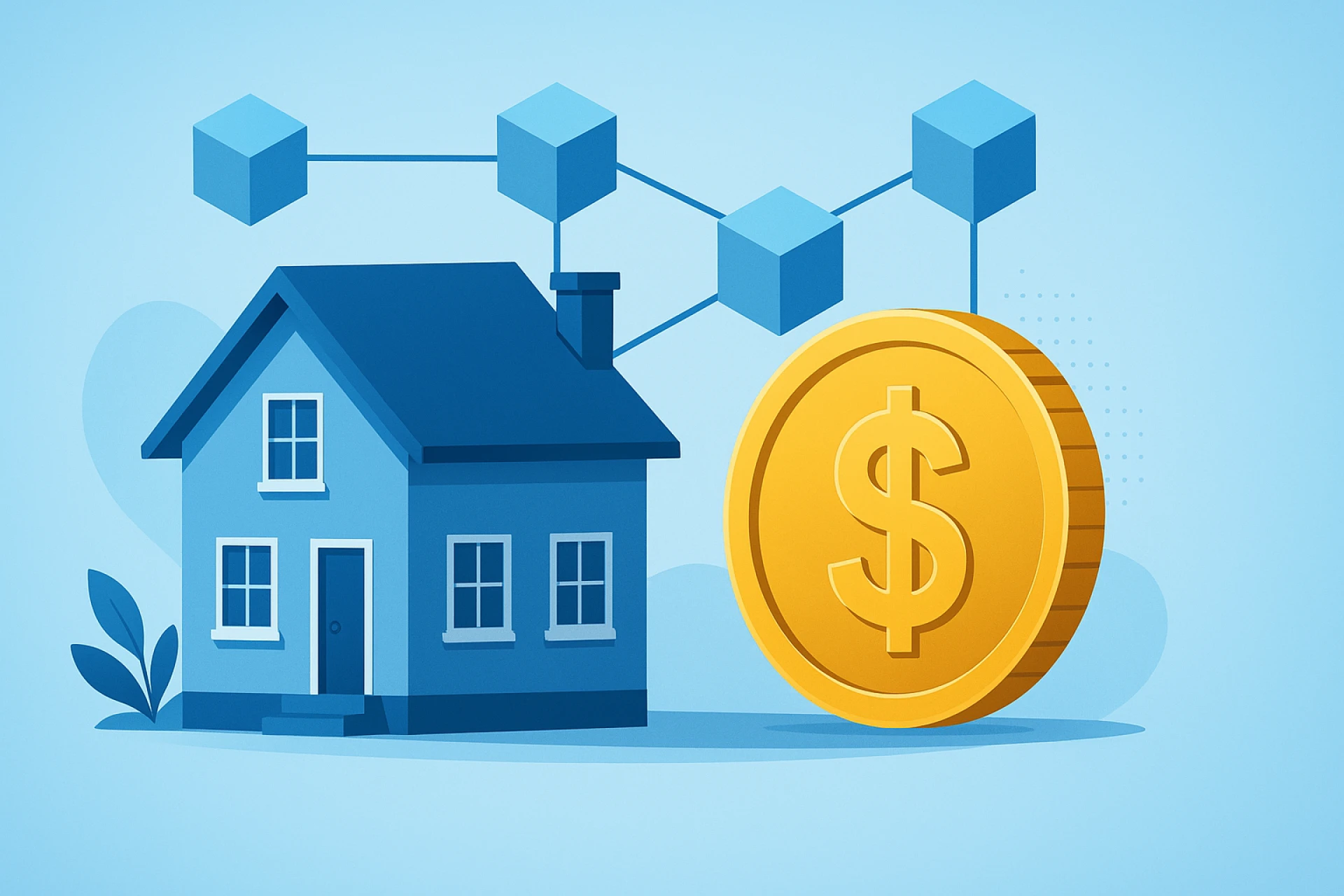
RWA tokenization is changing how financial and physical assets can be represented in digital markets. Real estate, private credit, commodities, infrastructure, artwork, funds, and other asset classes can be represented through blockchain-based tokens. However, putting an asset on a blockchain is only one part of the process. A tokenized asset market also needs a reliable way to identify investors, verify ownership rights, check eligibility, and maintain compliance records.
This is where identity layers can become important. An identity layer can connect a verified investor profile with the assets that person is permitted to access and the regulatory conditions that apply to the transaction. Instead of treating identity verification as a separate onboarding task, a tokenization platform can use identity information throughout the investor and asset lifecycle.
For businesses considering RWA tokenization development, this approach can create a more organized relationship between investors, tokenized assets, and compliance rules. A well-planned identity framework can also help platforms manage investor categories, jurisdiction restrictions, transfer conditions, and ongoing verification without exposing unnecessary personal information on a public blockchain.
What Is an Identity Layer in RWA Tokenization?
An identity layer is a digital system that connects a verified participant with relevant credentials and permissions. In an RWA tokenization platform, it may contain information such as investor status, jurisdiction, accreditation or eligibility status, verification results, wallet associations, and compliance permissions.
The identity layer does not necessarily need to place personal information directly on a blockchain. Instead, sensitive information can remain within approved identity or compliance systems while the blockchain records references, credentials, permissions, or transaction-related proofs.
For example, an investor could complete identity verification once and receive a digital credential. When the investor wants to purchase a token representing a private credit asset, the platform can check whether the investor satisfies the requirements for that asset. The investor's identity does not have to be publicly exposed to every participant on the network.
Method: Separate Identity Data From Transaction Data
A practical approach is to keep personal information within an approved identity system and use blockchain records for ownership, transfers, and relevant proofs. This reduces unnecessary exposure of sensitive information while still allowing the platform to verify whether a transaction is permitted.
Connecting Investors With Tokenized Assets
In traditional investment markets, access to an asset often depends on several conditions. An investor may need to meet residency requirements, income or accreditation criteria, investment limits, or other regulatory conditions. Tokenized markets still need to account for these requirements.
An identity layer can act as the connection between an investor profile and the eligibility rules attached to a particular token. When an investor attempts to purchase or transfer an asset token, the platform can evaluate the relevant credentials before the transaction proceeds.
For instance, a tokenized commercial property offering could be restricted to investors from certain jurisdictions. Another tokenized private credit product could have a different investor qualification requirement. The identity layer can provide the information needed to distinguish between these cases.
Method: Create Asset-Specific Eligibility Rules
Each tokenized asset can have its own eligibility policy. The platform can associate requirements with the token, such as investor location, verification status, holding limits, or permitted investor category. Before a transaction occurs, the identity system checks the investor against those conditions.
Identity Verification During Investor Onboarding
Investor onboarding is one of the first areas where identity infrastructure becomes useful. A participant may need to complete Know Your Customer checks, sanctions screening, address verification, document checks, or other compliance procedures before receiving access to certain tokenized assets.
For an RWA tokenization company, the onboarding process can be connected directly to the investor's wallet or account. Once verification has been completed, the investor can receive an approved status or digital credential that the platform can reference during future transactions.
This can reduce repeated verification activities when the same investor accesses multiple assets under the same platform, although the platform still needs to follow the applicable rules for periodic reviews and new investment products.
Method: Use Reusable Verification Credentials
A reusable credential can record that an investor has completed a particular verification process without exposing the underlying personal documents to every transaction. The credential can have an expiration date and can be revoked if the investor's status changes.
Linking Wallets With Verified Investors
Blockchain wallets generally use addresses rather than conventional names. This creates an important challenge for regulated token markets because a wallet address alone does not tell the platform who controls it or whether that person is permitted to hold a specific asset.
An identity layer can connect a verified investor account with an approved wallet address. The platform can then determine whether the wallet is associated with an eligible participant before processing a token transfer.
This relationship can be particularly useful for permissioned token markets. Rather than allowing every blockchain address to interact with a token contract, the smart contract or transaction system can check whether the receiving address has the required authorization.
Method: Maintain Wallet Authorization Records
An RWA token development project can include an approved-wallet registry. Verified wallets can be associated with investor credentials, while inactive or restricted wallets can be removed from the approved list. Changes should be recorded through appropriate administrative and compliance controls.
Compliance Rules Can Follow the Asset
Different assets can have different regulatory requirements. A token representing a residential property may have one set of conditions, while a token representing private debt, commodities, or fund interests may have another.
Identity infrastructure gives platforms a way to associate compliance policies with individual tokenized assets. This means compliance does not have to be handled through one general rule for every product.
For an RWA tokenization platform development company, this can involve creating a policy engine that checks investor credentials against asset-specific requirements before transactions are approved.
Method: Create Policy Rules for Each Asset Class
The platform can define rules for jurisdiction, investor category, holding limits, transfer restrictions, lock-up periods, and other relevant conditions. These rules can then be connected to the token's transaction workflow.
Supporting Privacy in Public Blockchain Environments
Public blockchains provide transaction records that can be inspected by network participants. While this offers useful transaction visibility, publishing personal identity information directly on-chain can create privacy concerns.
An identity layer can address this issue by keeping personal information outside the blockchain while providing a cryptographic proof or credential that confirms a particular condition. For example, a platform may only need to know that an investor has passed a required verification process, rather than storing the investor's passport number or residential address on-chain.
This approach can also make it easier to manage information updates because sensitive records can remain within systems designed for identity management and data protection.
Method: Use Credential-Based Verification
Instead of sending complete identity records to every transaction participant, the platform can use digital credentials that confirm specific facts. A smart contract or compliance service can check the validity of the credential before allowing an action.
Identity Layers and Secondary Market Transfers
Secondary trading is one of the areas where identity infrastructure can become especially important. In a conventional token market, transferring a token from one wallet to another may be technically simple. However, a regulated asset may have restrictions on who can receive it.
A tokenized security, private credit position, or property interest may not be transferable to every blockchain address. The receiving participant may need to satisfy specific requirements before the transfer can occur.
An identity-aware RWA tokenization system can check the recipient before the transaction is accepted. This can place compliance controls directly into the transfer process instead of relying only on manual checks.
Method: Verify the Recipient Before Transfer
Before a token moves between wallets, the platform can check whether the recipient wallet belongs to an approved investor and whether that investor satisfies the conditions associated with the asset. If the requirements are not met, the transfer can be rejected.
Managing Changes in Investor Status
Investor information can change over time. A person may move to another jurisdiction, lose eligibility for a particular investment category, or require renewed verification. An identity system therefore needs more than a one-time onboarding record.
For a Real-world asset tokenization company, identity status can be treated as an ongoing record. Credentials may have expiration dates, and compliance systems can update investor permissions when circumstances change.
This can help prevent situations where an investor remains authorized simply because they passed verification several years earlier.
Method: Add Credential Expiration and Revocation
Identity credentials can include validity periods. When a credential expires or is revoked, the investor's permissions can be reviewed before another transaction is accepted. This creates a connection between ongoing compliance work and token transfer permissions.
Identity Layers for Asset Issuers and Administrators
Identity infrastructure is not limited to investors. Asset issuers, fund managers, custodians, brokers, administrators, and other participants may also require verified identities and role-based permissions.
An RWA tokenization development company can design different access levels for these participants. An asset administrator might be allowed to update asset information, while an investor may only view holdings and initiate permitted transactions.
This type of role management can reduce the risk of unauthorized changes to tokenized asset records and administrative functions.
Method: Apply Role-Based Permissions
The platform can assign specific permissions to each verified participant. Administrative actions can require higher authorization levels, while investor functions can remain limited to activities permitted by the relevant asset and account status.
Smart Contracts and Identity-Aware Token Transfers
Smart contracts can provide another connection between identity and token ownership. Instead of treating every blockchain address equally, a token contract can interact with an approved identity or authorization registry.
For example, before accepting a transfer, the contract can check whether the receiving address is authorized. Other conditions, such as holding periods or transfer limits, can also be considered depending on the asset and legal structure.
The exact architecture depends on the blockchain, token standard, jurisdiction, and regulatory model selected for the project. A qualified RWA tokenization company should therefore consider legal requirements alongside technical design.
Method: Add Compliance Checks to Transfer Logic
Transfer functions can include checks for wallet authorization, investor status, asset restrictions, and other applicable conditions. More complex checks can be handled through external compliance services that communicate with the token infrastructure.
Audit Records and Regulatory Reporting
Identity-linked transaction records can also support auditing. A platform can maintain records showing which verified participant acquired or transferred an asset, when the action occurred, and whether the required compliance checks were completed.
The system does not need to expose all personal information publicly. Instead, authorized compliance teams can access the relevant records through controlled systems when required.
For businesses investing in RWA tokenization platform development, this creates a connection between blockchain transaction history and compliance operations.
Method: Maintain an Off-Chain Compliance Record
The blockchain can store transaction evidence while a controlled compliance database maintains the supporting identity and verification information. Together, these records can provide a fuller view of investor activity.
What RWA Tokenization Platforms Need From Identity Infrastructure
A practical identity system should fit the specific asset model rather than operate as an isolated feature. The platform may need investor verification, wallet association, credential management, permission checks, transfer restrictions, audit records, and administrative controls.
An RWA tokenization platform development company may also need to consider interoperability with external KYC providers, compliance databases, custodians, wallet systems, identity providers, and blockchain networks.
The design should account for what information needs to be public, what information must remain private, who can update identity records, how credentials expire, and what happens when an investor becomes ineligible.
Future Role of Identity in RWA Tokenization
As more assets enter digital markets, identity may become an important part of the infrastructure connecting people with tokenized ownership. The blockchain can record token movements, while identity systems can provide information about who is permitted to participate.
This model can support different asset classes without requiring every investor to repeat the entire verification process for every transaction. It can also give issuers and administrators more control over how asset-specific rules are applied.
For businesses planning RWA token development, identity should therefore be considered during the initial architecture stage rather than added only after the token has been launched.
Conclusion
RWA tokenization is not only about converting ownership or financial interests into blockchain-based tokens. It also requires a reliable relationship between investors, wallets, assets, and compliance conditions. Identity layers can provide that relationship by connecting verified investor credentials with asset eligibility, transfer permissions, regulatory checks, and audit records while keeping sensitive information outside public blockchain records where appropriate. From investor onboarding and wallet authorization to secondary transfers and ongoing status management, identity infrastructure can become an important part of regulated tokenized markets. Businesses planning RWA tokenization development should consider identity architecture alongside smart contracts, asset structures, custody, compliance, and platform operations from the beginning. Blockchain App Factory provides RWA tokenization development services for businesses looking to plan and develop tokenization platforms around their asset and market requirements.
FAQs
1. What is an identity layer in RWA tokenization?
An identity layer is a digital system that connects verified investors with credentials, wallet addresses, permissions, and asset eligibility conditions. It helps tokenization platforms determine whether a participant can access or transfer a particular asset.
2. Why is identity important for RWA tokenization?
Identity helps connect blockchain wallets with verified participants. It can also support investor eligibility checks, jurisdiction restrictions, transfer rules, ongoing verification, and compliance records.
3. Is personal identity information stored directly on the blockchain?
Not necessarily. A platform can keep sensitive identity information in controlled off-chain systems while using digital credentials or proofs to confirm required conditions during blockchain transactions.
4. How can identity layers support secondary trading?
An identity-aware platform can check the recipient before a token transfer. If the recipient does not satisfy the requirements associated with the asset, the transaction can be rejected.
5. Can one verified identity be used for multiple tokenized assets?
Yes, depending on the platform design and applicable regulations. A reusable credential can confirm certain verification conditions, while each asset can maintain its own eligibility requirements.
6. What is the role of smart contracts in identity-based RWA platforms?
Smart contracts can check whether wallets or participants have the required authorization before processing token transfers. They can also enforce certain asset-specific transfer conditions.
7. How does identity infrastructure support investor privacy?
Sensitive information can remain outside the blockchain. The platform can use credentials or proofs to confirm eligibility without publishing personal documents or unnecessary identity information on-chain.
8. What businesses can use identity-based RWA tokenization?
Real estate issuers, private credit providers, fund managers, commodity businesses, infrastructure operators, financial institutions, and other asset owners can consider identity-aware tokenization models where investor verification and transfer restrictions are relevant.
9. What should businesses consider during RWA tokenization platform development?
Businesses should consider investor verification, wallet authorization, asset eligibility rules, compliance workflows, credential expiration, transfer restrictions, audit records, custody, blockchain selection, and integration with external identity and compliance services.
10. How can an RWA tokenization development company help?
An RWA tokenization development company can assist with platform architecture, token creation, smart contract development, investor onboarding workflows, identity integration, compliance features, wallet connectivity, asset management functions, and other components required for a tokenization platform.























Sign in to leave a comment.