

Chewing is a natural part of a dog's daily routine. It provides mental stimulation, satisfies the instinct to gnaw, and can keep dogs engaged when they need an appropriate activity. However, not every chew is suitable for every dog. Pet parents should consider ingredient quality, product size, chewing strength, and potential safety concerns before introducing a new treat.
When researching safe rawhide chews for dogs, it is important to understand that no rawhide product is completely risk-free. Some dogs may handle certain chews without difficulty, while others may swallow large pieces or experience digestive problems. Learning about rawhide processing, potential hazards, and alternative chewing options can help you make a more informed decision for your pet.
What Are Rawhide Chews for Dogs?
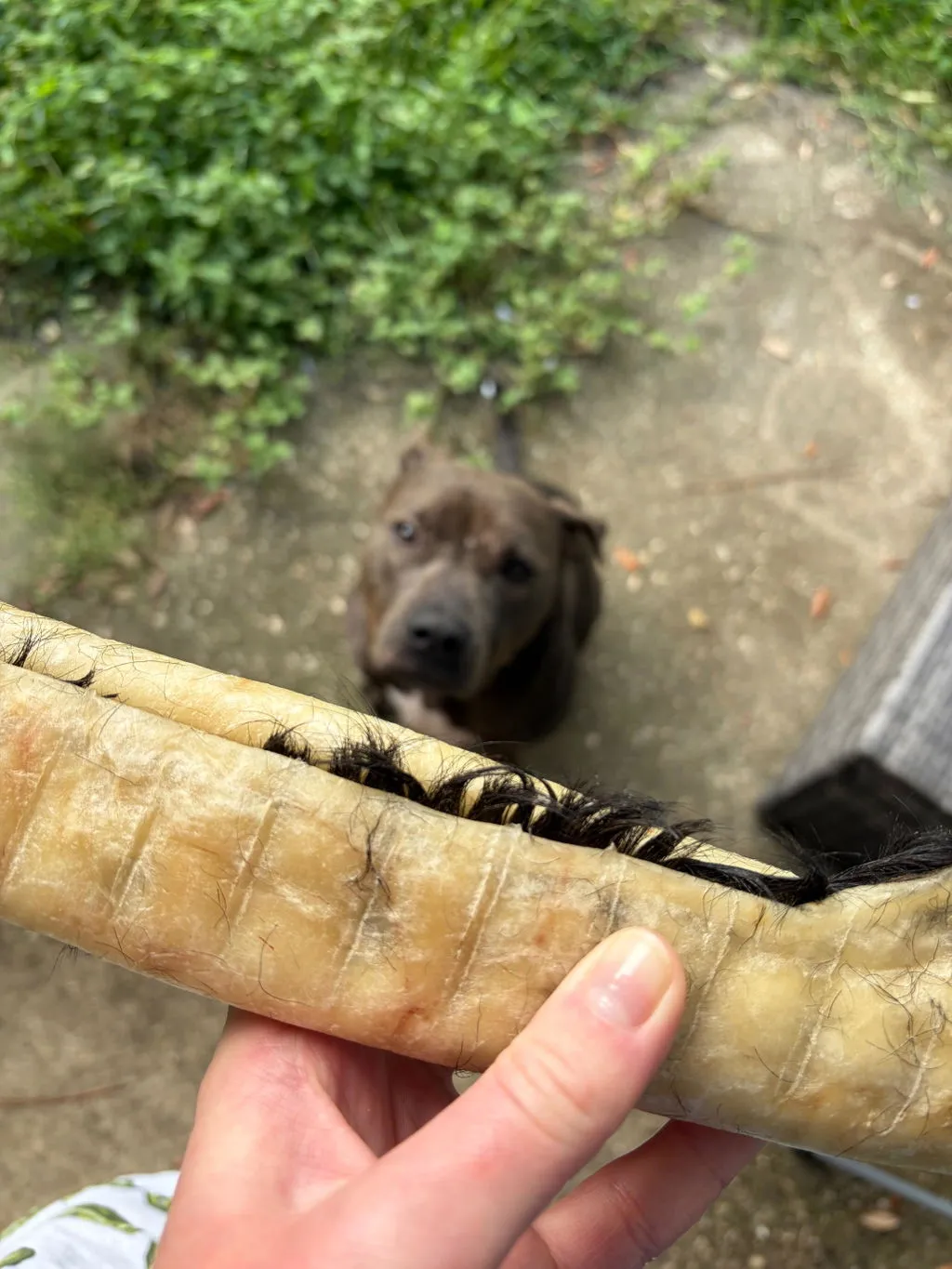
Rawhide is generally made from the inner layer of animal hides, commonly cattle hides. The material is processed, cleaned, dried, and shaped into products such as rolls, bones, twists, and strips. These chews are designed to provide resistance while dogs gnaw on them.
Rawhide products vary in thickness, texture, ingredients, and manufacturing methods. Some contain additional flavorings or coatings, while others have simpler ingredient lists. This variation makes it important to read labels and review product information instead of assuming that every rawhide chew is made the same way.
Pet parents should also distinguish between traditional rawhide and other beef hide products. The names can sometimes be used loosely in marketing, but processing methods may differ. Always check how a particular product is made and follow the manufacturer's safety recommendations.
Are Safe Rawhide Chews for Dogs Really Safe?
The term safe rawhide chews for dogs can be misleading if it suggests that a product is completely free from risk. Although some dogs may chew rawhide without obvious problems, rawhide can create choking and digestive obstruction hazards.
As a dog chews, the material absorbs moisture and may become soft or slippery. Pieces can break away, and a dog that gulps food or chews aggressively may swallow them before they are adequately reduced in size.
Potential concerns include:
- Choking: A piece may become lodged in the throat and interfere with breathing.
- Digestive obstruction: Swallowed pieces can become stuck in the digestive tract and may require veterinary treatment.
- Digestive upset: Some dogs may experience vomiting, diarrhea, or abdominal discomfort.
- Ingredient sensitivity: Certain dogs may react to ingredients or processing components.
- Dental injuries: Chews that are too hard or unsuitable for a dog's teeth can cause damage.
These risks do not mean every dog will experience a problem, but they demonstrate why product selection and supervision are essential. Dogs with a history of swallowing objects, digestive issues, or dental disease may need different options. Ask your veterinarian before introducing rawhide if your dog has specific health concerns.
How to Choose a Suitable Rawhide Chew
Selecting a chew requires more than choosing a product your dog finds appealing. Consider the following factors before making a purchase.
1. Choose an Appropriate Size
The chew should be suitable for your dog's body size and mouth. A small chew may be swallowed whole, while an oversized or unusually shaped product may be difficult to handle.
Follow the manufacturer's size recommendations and watch how your dog interacts with the chew. Remember that a product designed for a large dog is not automatically appropriate for every powerful chewer.
2. Consider Your Dog's Chewing Style
Dogs have different chewing habits. Some gnaw slowly, while others bite forcefully or attempt to swallow pieces quickly.
Observe your dog's behavior during every session. If your dog tears off large pieces, gulps the material, or tries to swallow the chew whole, remove it and consider a more suitable alternative.
3. Review the Ingredient List
Read the product label to understand the ingredients and any added flavorings, coatings, or preservatives. Look for clear product information and transparent manufacturing details.
Words such as natural, premium, or traditional do not automatically guarantee safety. If your dog has food allergies or dietary restrictions, check the ingredient list carefully and consult your veterinarian when needed.
4. Consider Age and Dental Health
Puppies have developing teeth, and senior dogs may have dental sensitivity or weaker teeth. A chew that is appropriate for one dog may be unsuitable for another.
Choose products designed for your dog's age and chewing ability. If your dog has broken teeth, gum problems, or a history of dental treatment, ask a veterinarian which chewing options are appropriate.
Best Practices for Using Rawhide Chews
Responsible use involves more than purchasing a well-labeled product. Ongoing supervision and regular inspection help you recognize potential problems before they become serious.
Supervise every chewing session. Stay close enough to observe your dog rather than leaving the chew unattended. Watch for changes in chewing behavior, loose pieces, and signs of difficulty.
Remove small remnants. As the chew becomes smaller, it may become easier to swallow. Take it away before your dog can gulp the remaining piece.
Inspect the chew regularly. Discard products that break apart unexpectedly, develop sharp edges, or become damaged.
Keep fresh water available. Make sure your dog can drink during and after chewing.
Provide separate chewing spaces when needed. Dogs may guard valuable treats, so separating dogs can help reduce competition and conflict.
Follow the product instructions. Check recommended sizes, age guidance, storage directions, and any specific warnings.
If your dog swallows a large piece, contact your veterinarian promptly for advice, even if your dog initially seems fine. Repeated vomiting, abdominal pain, unusual lethargy, or difficulty passing stool can indicate a serious problem. Choking or breathing difficulty requires immediate emergency care.
Are There Alternatives to Traditional Rawhide?
Pet parents who are concerned about rawhide can explore other chewing and enrichment products. The best choice depends on the dog's size, chewing strength, dietary needs, and individual behavior.
Beef Hide Chews
Some brands offer beef hide products made with an emphasis on straightforward ingredients and responsible sourcing. However, beef hide chews can still pose choking or obstruction risks. Do not assume that a product is safer simply because it is described as natural or marketed as an alternative to conventional rawhide.
Review the specific product's processing details, size recommendations, and safety guidance before offering it to your dog.
Single-Ingredient Dog Treats
Single-ingredient treats can be useful for owners who prefer simple ingredient lists. Examples include appropriately prepared animal-based treats and freeze-dried meat snacks.
These products are not all designed for prolonged chewing. A small training treat, for example, serves a different purpose from a durable chew. Choose based on whether your dog needs a reward, a snack, or an activity.
Dental Chews and Enrichment Toys
Veterinarian-recommended dental chews may support oral hygiene when used according to their instructions, but they do not replace brushing or professional dental care.
Durable rubber enrichment toys may also offer a chewing outlet for some dogs. Select toys designed for your dog's size and chewing strength, inspect them for damage, and replace them when necessary. Very hard chews can damage teeth, while toys that break into pieces can create swallowing hazards.
How Ugly Chews Supports Natural Dog Treat Choices
Pet parents comparing dog treats often look for ingredient transparency, responsible sourcing, and practical product information. Ugly Chews is a family-owned pet brand focused on natural dog treats and long-lasting chews, with an emphasis on small-batch preparation and reducing waste.
The company works with responsibly sourced animal ingredients and aims to turn usable materials into valuable products for pets. Its product range includes hide-based chews and other dog treats intended for different purposes.
When considering Ugly Chews products or those from another brand, review each item's ingredients, preparation details, and sizing recommendations. A natural product is not automatically suitable for every dog, and hide-based chews still require careful supervision.
Choosing thoughtfully means balancing your dog's enjoyment with practical safety considerations. If you are uncertain about a particular chew, your veterinarian can help determine whether it fits your dog's age, dental condition, and chewing behavior.
Common Mistakes to Avoid When Choosing Dog Chews
Even well-intentioned owners can make mistakes when selecting chewing products. Avoid these common issues:
- Assuming every natural chew is safe: Natural ingredients do not eliminate choking or obstruction risks.
- Choosing the wrong size: A chew that is too small can be swallowed, particularly by enthusiastic chewers.
- Leaving dogs unattended: Chews can change shape and break apart during use.
- Ignoring warning signs: Gulping, repeated attempts to swallow large pieces, or difficulty chewing are reasons to stop the session.
- Using chews as a substitute for dental care: Chewing does not replace toothbrushing or veterinary dental examinations.
- Overlooking individual needs: Allergies, dental problems, and digestive conditions may influence which products are appropriate.
Chewing should be one part of a broader enrichment routine that also includes exercise, training, social interaction, and rest.
Frequently Asked Questions
1. Are safe rawhide chews for dogs available?
Some dogs may tolerate certain rawhide products, but no rawhide chew is completely risk-free. Choking, digestive obstruction, and digestive upset are possible. Choose carefully, supervise every session, and consult your veterinarian if your dog has a history of swallowing objects or digestive problems.
2. Can puppies chew rawhide safely?
Puppies have developing teeth and may chew enthusiastically, so traditional rawhide may not be appropriate for every puppy. Choose age-appropriate products and ask your veterinarian for advice before introducing a new chew. Always supervise puppies and remove any product that breaks apart or becomes small enough to swallow.
3. How can I tell if a rawhide chew is too small?
A chew may be too small when your dog can fit the remaining piece entirely into its mouth or swallow it without further chewing. Remove small remnants before they become a choking hazard. Also discard products that develop loose pieces, sharp edges, or unexpected damage.
4. What should I do if my dog swallows rawhide?
Contact your veterinarian promptly, even if your dog appears normal. Do not induce vomiting unless a veterinary professional specifically directs you to do so. If your dog is choking, struggling to breathe, repeatedly vomiting, or showing severe discomfort, seek emergency veterinary attention.
5. Does Ugly Chews offer alternatives to traditional rawhide?
Ugly Chews offers natural dog treats and hide-based chewing products made with an emphasis on responsible sourcing and straightforward ingredients. Check individual product descriptions and safety instructions to determine whether a particular item suits your dog's size, age, and chewing style. All chews require appropriate supervision.
Conclusion
Choosing safe rawhide chews for dogs requires careful attention to product quality, size, chewing behavior, and potential hazards. Although rawhide may provide an engaging chewing activity for some dogs, it can also cause choking, digestive obstruction, or other problems if pieces are swallowed. No label or marketing claim can guarantee that a chew is suitable for every pet.
Pet parents can compare traditional rawhide with other chewing products, including selected beef hide chews, single-ingredient treats, and appropriately designed enrichment toys. Ugly Chews provides options for owners who value responsible sourcing and thoughtfully prepared dog treats, but every product should be evaluated according to an individual dog's needs.
The most responsible approach is to read product labels, choose an appropriate size, supervise chewing sessions, and remove damaged or small pieces promptly. Consult your veterinarian whenever you have concerns about your dog's dental health, digestion, or chewing habits. With informed decisions and consistent supervision, you can make chewing a more thoughtful part of your dog's daily routine.
























Sign in to leave a comment.