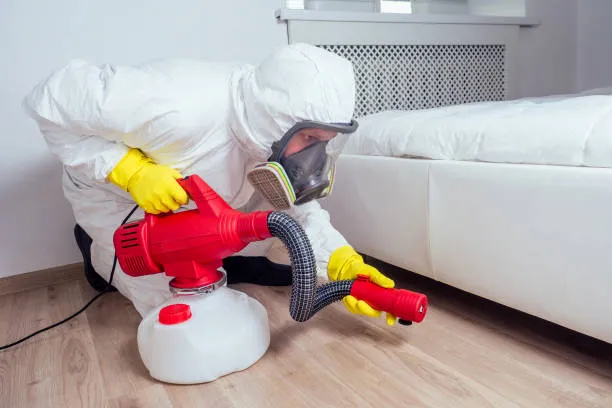

Bed bugs can turn ordinary furniture into a difficult household concern, when mattresses, sofas, chairs, or bed frames show signs. Careful planning prevents insects from spreading through hallways, vehicles, storage areas, or neighboring properties. Learning how to dispose of bed bug infested furniture safely can reduce unnecessary exposure and make the removal process more responsible. Furniture should never be abandoned casually, because hidden insects and eggs may remain inside seams, joints, cushions, and cracks even when visible activity appears limited.
Furniture affected by bed bugs can contain many hidden insects. Eggs may be tucked into stitching, screw holes, wooden joints, fabric folds, and other protected spaces that are difficult to inspect. Because bed bugs can survive without feeding for extended periods, moving an infested item does not automatically solve the problem. Instead, careless relocation can spread the infestation to another room or property. A controlled disposal plan therefore begins with recognizing the condition, limiting movement, and deciding whether professional treatment or removal is the more practical response.
Confirm the Furniture Is Infested
Look for Common Warning Signs
Before disposal begins, the affected furniture should be inspected carefully for evidence associated with bed bugs. Common signs include small dark spotting, shed skins, pale eggs, tiny insects, and rusty marks that may appear on bedding or upholstery. Inspection should focus on seams, folds, joints, and concealed spaces. Misidentifying another household pest as a bed bug can lead to unnecessary disposal and expense. If evidence remains uncertain, a qualified pest professional can identify the issue before furniture is moved or discarded.
Isolate the Affected Item
Once infestation is suspected or confirmed, the furniture should remain in its current location whenever possible. Carrying a mattress through a home can dislodge insects and allow them to reach carpets, baseboards, closets, or other sleeping areas. If movement is unavoidable, the item should be prepared carefully and kept away from clean furniture. People should also avoid using an elevator, vehicle, or shared passageway without suitable containment. Isolation reduces opportunities for insects to escape during preparation and helps keep the problem concentrated in an area that can be addressed properly.
Prepare Furniture Before Removal
Preparation depends on the furniture type, its condition, and the level of infestation. Upholstered pieces should be handled gently because shaking, dragging, or dismantling them can disturb hidden insects. Items that will be discarded may be wrapped securely in suitable plastic before leaving the property. The covering should remain intact during handling. Any wrapping should happen in a controlled area, with attention given to seams and openings where insects could escape. Careful preparation helps protect people and nearby spaces from exposure.
Mark Furniture Clearly
Discarded furniture should be made clearly recognizable as unsuitable for reuse. A visible notice can discourage others from taking the item home and spreading bed bugs. Mattresses, sofas, chairs, and other upholstered pieces may require additional attention because their internal structures can provide numerous hiding places. Furniture should never be placed beside a road or in a shared area without considering local disposal requirements. Clear labeling, controlled handling, and responsible scheduling can make the removal process safer and reduce the possibility of accidental reuse.
Avoid Giving Infested Furniture Away
Furniture with an active infestation should never be offered through donation groups, online listings, neighborhood exchanges, or informal giveaways. A low cost or free item can appear attractive, but hidden insects can create a much larger problem for the recipient. Bed bugs can travel in furniture, clothing, luggage, and household belongings, making secondhand distribution an important pathway for accidental spread. Responsible disposal treats the item as contaminated until the infestation is addressed. Keeping affected furniture out of circulation protects other households and reduces the chance of repeated infestations.
Consider Treatment Before Disposal
Disposal is not always the first or only option. Some furniture can be treated successfully when its structure remains sound and accessible to appropriate methods. Treatment decisions should consider the item's condition, material, infestation level, and the likelihood that hidden areas can be reached. Mattresses and heavily upholstered pieces may present different challenges from solid wooden furniture. A professional assessment can help determine whether treatment, disposal, or a combination of both is suitable. Keeping reusable furniture can also reduce replacement costs when effective control is realistically possible.
Protect Other Household Items
Removing one piece of furniture does not necessarily remove every bed bug from a property. Insects may already be present in nearby bedding, bed frames, upholstered chairs, rugs, cracks, or storage areas. For that reason, surrounding items should be inspected rather than assuming the problem ends when the furniture leaves. Bedding should be handled carefully, clutter should be reduced, and sleeping areas should remain accessible for inspection. A broader approach helps identify hidden activity and protect replacement furniture.
Handle Mattresses With Extra Care
Mattresses can be particularly challenging because their seams, labels, handles, and internal construction provide many potential hiding places. If a mattress is being discarded, it should not be dragged uncovered through a home or public area. Appropriate containment can limit exposure while the item is moved. Local disposal rules may also specify how mattresses must be wrapped, scheduled, or transported. Anyone handling the mattress should understand that visible cleanliness does not prove the absence of bed bugs. Careful containment remains important even when activity appears minor.
Follow Local Disposal Requirements
Disposal practices can vary according to municipal rules, property policies, waste services, and the type of furniture involved. Some communities require scheduled bulky item collection, while others provide designated drop off locations or specific preparation instructions. Before placing an infested item outdoors, the property owner should verify the applicable requirements. Following those instructions can prevent improper dumping, missed collection, or unnecessary exposure to other people. Responsible disposal also supports cleaner neighborhoods by ensuring that unwanted furniture enters an approved waste stream rather than becoming an accessible source of reuse.
Clean the Removal Area
After furniture has been removed, the surrounding area should receive careful attention. Floors, baseboards, nearby walls, and remaining furnishings can be inspected for signs of activity. Vacuuming may help remove some insects and debris from accessible surfaces, although it should not be considered a complete treatment on its own. The vacuum contents should be handled cautiously and disposed of according to appropriate recommendations. Reducing clutter also makes future inspections easier. A clean, accessible area helps residents and professionals monitor the space.
Avoid Relying on Furniture Replacement Alone
Replacing a mattress, sofa, or bed frame can provide a false sense of completion if the infestation remains elsewhere in the property. Bed bugs can hide in locations that are not immediately associated with furniture, including cracks, electrical areas, curtains, luggage, and nearby belongings. New furniture can therefore become exposed if the surrounding infestation is not addressed. A complete response should combine responsible disposal with inspection and appropriate control measures. This approach reduces replacement costs while addressing the underlying problem.
Seek Professional Guidance When Needed
Persistent activity, multiple affected rooms, recurring signs, or uncertainty about treatment can justify professional assistance. Experienced pest specialists can inspect likely hiding areas, assess the extent of activity, and explain practical options for treatment and disposal. Professional guidance can help determine whether furniture should be discarded or retained. This is especially useful in apartments, shared housing, hotels, and other settings where bed bugs can move between spaces. Early attention can reduce disruption and costs.
Responsible Disposal Supports Safer Homes
Safe furniture disposal requires more than carrying an unwanted item outside. It involves confirming the infestation, limiting movement, containing affected furniture, discouraging reuse, following local requirements, and considering the condition of surrounding areas. When disposal is combined with inspection and appropriate pest management, the risk of continued activity can be reduced substantially. Households can protect neighbors, waste workers, and future furniture users by treating infested items responsibly. A thoughtful process supports recovery by addressing the item and conditions allowing bed bugs to remain.
Conclusion
Learning how to dispose of bed bug infested furniture responsibly is an important part of managing a household infestation. Careful inspection, isolation, secure containment, clear labeling, proper transportation, and compliance with local disposal requirements can reduce the chance of spreading insects. However, furniture removal alone may not eliminate bed bugs that have already moved into nearby areas. Professional inspection and treatment can help address the wider infestation and guide decisions about reusable items. For practical support with responsible pest management, Dominion Pest Control LLC can help property owners understand suitable next steps.

























Sign in to leave a comment.