

Many women notice dark patches on their face for the first time during pregnancy. Some see them on the cheeks, some on the forehead, and some above the lip. It can feel upsetting, especially when you are already dealing with so many changes. The good news is that this is very common; it is rarely harmful, and a calm, careful routine can help. Here is what is going on, and how to look after your skin safely.
Why Pigmentation Happens in Pregnancy
During pregnancy, your hormones go up and down a lot. These hormones can make skin cells produce more melanin, the pigment that gives skin its colour. Sun makes it worse because it pushes the skin to make even more pigment. The result can be dark patches on the face, a darker line on the belly, or darker skin around the nipples.
When the patches appear on the face, they are often called melasma, and sometimes the "mask of pregnancy". They usually look the same on both sides of the face.
The Most Important Step: Talk to Your Doctor
Pregnancy changes the rules for skincare. Some ingredients that are fine at other times are best avoided now. Before you start or stop anything, show your product list to your gynaecologist or a skin doctor. Every pregnancy is different, and they know your health history. This one step saves a lot of worry.
Ingredients Doctors Often Ask You to Avoid
Many doctors suggest staying away from retinol and other vitamin A products during pregnancy. Hydroquinone, a common fading ingredient, is also usually avoided. Strong peels, high-strength acids, and some essential oils are other things to skip or discuss first. Laser and other clinic treatments are normally put on hold until after delivery.
If you are not sure about an ingredient, it is better to ask than to guess.
Start With a Few Safe Skincare Essentials
A short routine is the safest and the easiest to follow. Keep your list of safe skincare essentials small, so you can see how your skin reacts. A gentle cleanser, a good moisturiser, and good habits around the sun are the base. Avoid trying many new products at once, because pregnant skin can become more sensitive than usual.
Choose products with short ingredient lists and little or no strong perfume. Do a small patch test on your jawline for two days before using anything new on your whole face.
Gentle Cleansing and Hydration
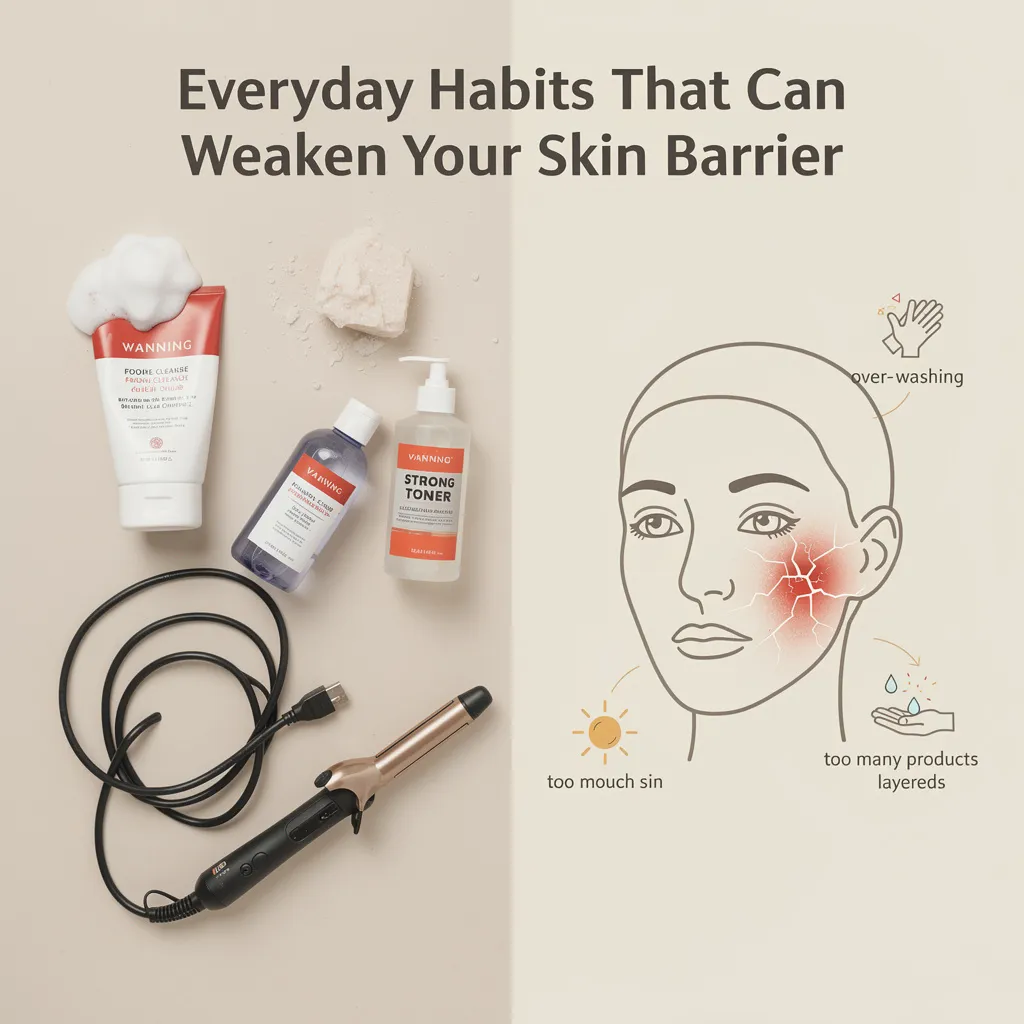
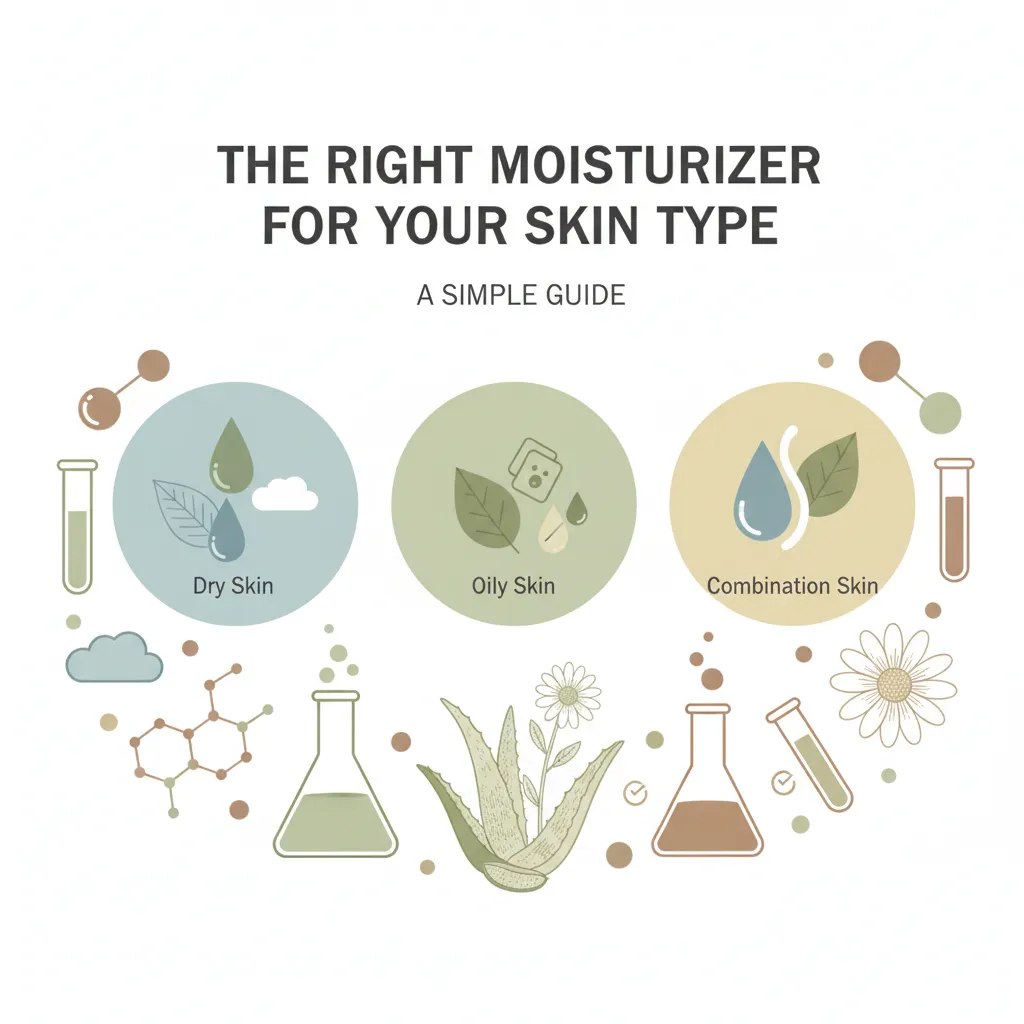
Irritation makes pigmentation worse, so keep your skin calm. Wash twice a day with lukewarm water and a mild cleanser. Pat your face dry, and apply moisturizer while the skin is still slightly damp.
A Gotu Kola cleanser and moisturiser is a popular gentle choice, since Gotu Kola is known for soothing redness and supporting skin repair. That said, plant extracts often have less pregnancy-specific research than basic ingredients. So show the full ingredient list to your doctor before you add it to your routine.
Ingredients Many Doctors Are Comfortable With
Some ingredients are often considered fine during pregnancy when used in normal skincare amounts. Azelaic acid, niacinamide, and vitamin C are common examples, and they can help pigmentation slowly. Even so, your doctor should confirm what suits you. Start with a small amount a few days a week, and see how your skin responds.
Protect Your Skin From the Sun
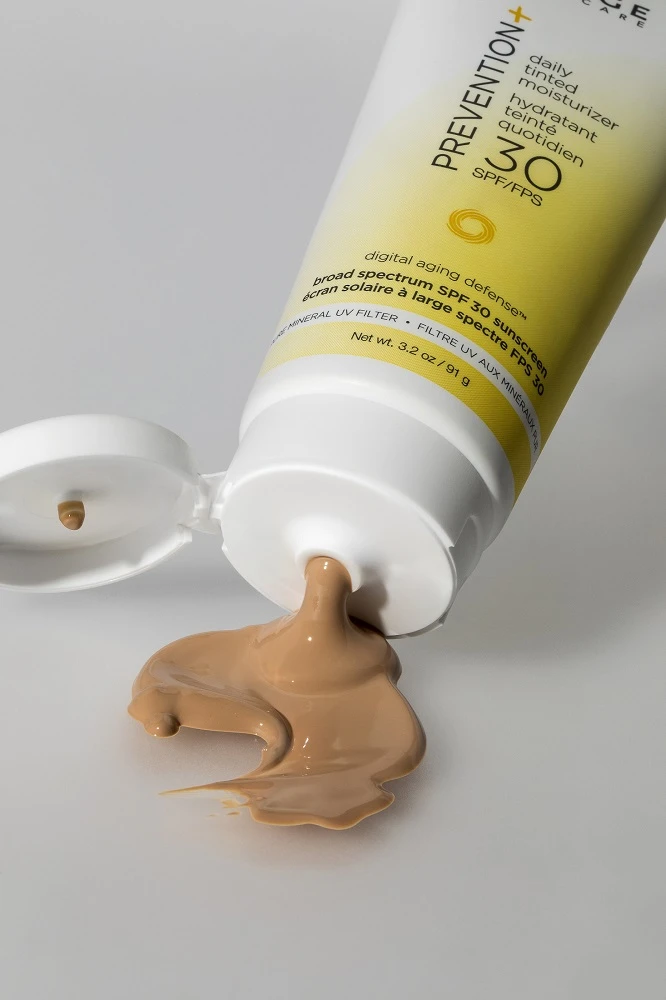
Sun is the biggest reason melasma gets darker, so this part matters a lot. Stay in the shade during the strongest hours of the day, which is usually late morning to mid afternoon. Wear a wide-brimmed hat, carry an umbrella, and cover your arms when you walk outside. Sit away from bright windows when you travel. Even short exposure adds up, so make these habits part of your day all year, not only in summer.
Small Habits That Help
Drink enough water, eat plenty of fruits and vegetables, and sleep as much as you can. A balanced diet supports your skin from the inside. Avoid scrubbing or picking at patches, since it only adds irritation. Skip hot showers and waxing on your face, as heat and pulling can make patches darker. Take it easy on yourself too, because stress does not help skin.
Be Patient
Pregnancy melasma often fades on its own after delivery, and sometimes after breastfeeding ends. This can take a few months. Patches that stay can be treated more strongly later, with your doctor's guidance. Until then, the goal is not to remove them quickly, but to keep them from getting darker.
Things to Avoid
Do not use home remedies like lemon juice, toothpaste, or bleaching creams from unknown sources. They can burn the skin and make patches worse. Do not use skin lightening creams sold without a clear ingredient list. And do not try a new strong product just because a friend recommended it.
When to See a Doctor Right Away
Get advice if a patch changes shape or colour, grows quickly, bleeds, or feels itchy or painful. Also check in if your skin burns or turns very red after a product. Most pigmentation is harmless, but anything unusual deserves a quick look.
The Bottom Line
Pigmentation and melasma during pregnancy are common and usually harmless. Keep your routine short and gentle, protect your skin from harsh sun, and talk to your doctor before using any active ingredient. Stay patient, because many patches fade after delivery. Looking after your skin calmly is the safest way through these months.






















Sign in to leave a comment.