Sale and Leaseback Agreement: Key Terms Every Business Should Know

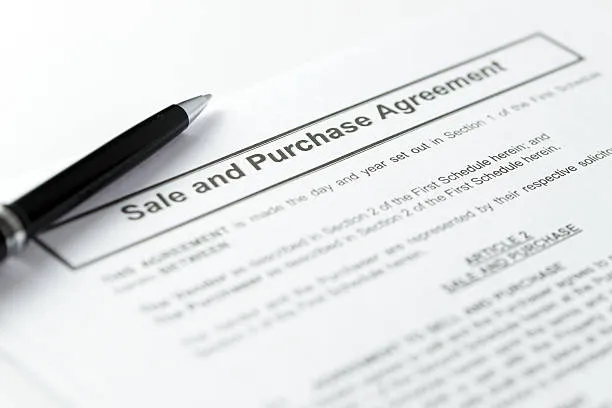
A sale and leaseback agreement is a financial arrangement that enables businesses and property owners to unlock the value of their assets while continuing to use them. This strategy has become increasingly popular among companies looking to improve cash flow, fund expansion, or strengthen their balance sheets without disrupting daily operations.
Whether you're a business owner, investor, or property owner, understanding how a sale and leaseback agreement works can help you determine whether it's the right financing solution for your needs.
What Is a Sale and Leaseback Agreement?
A sale and leaseback agreement is a transaction in which the owner of an asset sells it to another party and immediately leases it back. Although ownership transfers to the buyer, the seller continues to use the asset by paying regular lease payments under the agreed lease terms.
This arrangement is commonly used for commercial real estate, industrial facilities, office buildings, manufacturing equipment, and even vehicle fleets. It allows businesses to convert valuable assets into working capital without interrupting operations.
How Does a Sale and Leaseback Agreement Work?
The process of a sale and leaseback agreement typically follows these steps:
- The owner identifies an asset suitable for sale.
- A buyer purchases the asset at an agreed market value.
- Both parties sign a lease agreement allowing the former owner to continue using the asset.
- The seller receives the sale proceeds immediately.
- The seller becomes the tenant and makes regular lease payments to the new owner.
Because the seller retains operational control of the asset, there is minimal disruption to business activities while gaining immediate access to capital.
Benefits of a Sale and Leaseback Agreement
Improves Cash Flow
One of the primary reasons businesses choose a sale and leaseback agreement is to generate immediate cash. Instead of having funds tied up in owned assets, companies can use the proceeds to invest in growth, reduce debt, purchase inventory, or improve liquidity.
Continue Using the Asset
Selling an important business asset does not mean losing access to it. Under a sale and leaseback agreement, the seller continues using the property or equipment through the lease, ensuring operations remain uninterrupted.
Strengthens Financial Flexibility
By converting fixed assets into cash, businesses gain greater financial flexibility. This additional capital can support expansion projects, acquisitions, technology upgrades, or other strategic initiatives.
Potential Tax Benefits
Depending on local tax regulations, lease payments under a sale and leaseback agreement may qualify as deductible business expenses. Businesses should consult a qualified tax advisor to understand how these rules apply in their jurisdiction.
Access to Capital Without Traditional Loans
Unlike conventional financing, a sale and leaseback agreement does not require taking on additional secured loans. This may help businesses preserve borrowing capacity for future financing needs.
Common Assets Used in Sale and Leaseback Agreements
A sale and leaseback agreement can apply to many types of assets, including:
- Commercial office buildings
- Retail properties
- Warehouses
- Manufacturing plants
- Industrial equipment
- Construction machinery
- Transportation vehicles
- Aircraft and shipping assets
The suitability of an asset depends on its market value, condition, and long-term usefulness to the business.
Potential Risks of a Sale and Leaseback Agreement
Although a sale and leaseback agreement offers several benefits, it is important to understand the possible disadvantages.
Loss of Ownership
Once the sale is completed, the business no longer owns the asset. Any future appreciation in its value benefits the new owner rather than the seller.
Long-Term Lease Obligations
Lease payments become an ongoing operating expense. Businesses must ensure they can comfortably meet these obligations throughout the lease term.
Reduced Flexibility
Lease agreements often contain restrictions regarding modifications, subleasing, or early termination. Reviewing all contract terms carefully is essential before signing.
Total Cost Over Time
While a sale and leaseback agreement provides immediate capital, the total lease payments over many years may exceed the original value received from the sale.
Who Should Consider a Sale and Leaseback Agreement?
A sale and leaseback agreement may be suitable for businesses that:
- Need immediate access to working capital.
- Own valuable real estate or equipment.
- Want to expand without increasing traditional debt.
- Prefer maintaining uninterrupted operations.
- Need funds for acquisitions or business growth.
Companies experiencing rapid expansion often use this strategy to finance new opportunities while continuing to operate from their existing facilities.
Tips Before Entering a Sale and Leaseback Agreement
Before signing a sale and leaseback agreement, consider the following best practices:
- Obtain an independent valuation of the asset.
- Compare offers from multiple buyers or investors.
- Review lease terms, renewal options, and rental increases carefully.
- Calculate the long-term financial impact.
- Consult legal, accounting, and tax professionals before completing the transaction.
- Ensure the lease structure aligns with your long-term business strategy.
Careful planning can help maximize the benefits while reducing potential financial risks.
Final Thoughts
A sale and leaseback agreement can be an effective financing solution for businesses seeking to unlock capital without sacrificing operational continuity. By selling an asset and leasing it back, companies gain immediate liquidity while continuing to use the property or equipment essential to their daily operations.
However, every business has unique financial objectives. Before entering a sale and leaseback agreement, carefully evaluate the long-term lease costs, ownership implications, and strategic benefits. Working with experienced financial, legal, and tax professionals can help ensure the agreement supports your business goals.
When structured correctly, a sale and leaseback agreement offers a practical way to improve cash flow, increase financial flexibility, and position a business for sustainable growth.





Sign in to leave a comment.