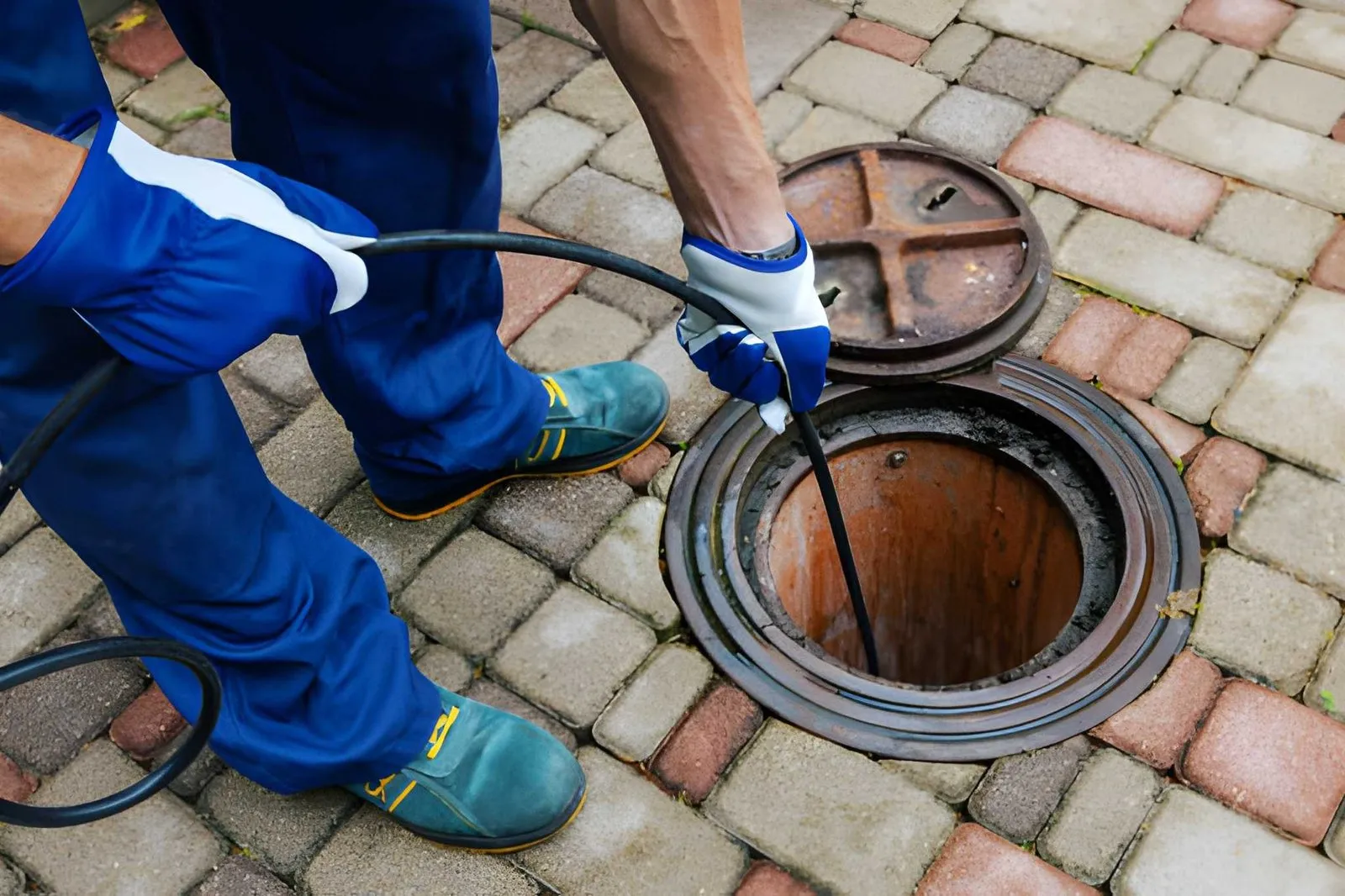
Heavy rain can put extra pressure on a home's drainage system. A toilet may start gurgling, several drains may slow down, or wastewater may appear where it should not. In these situations, a san jose sewer clean out can give a plumber useful access to the sewer line and help locate the problem without immediately digging up the yard or opening floors.
A storm does not always mean that the sewer pipe itself is damaged. Sometimes the public sewer system is handling a large amount of water. In other cases, rain simply brings attention to a blockage or pipe problem that was already developing.
What Is a Sewer Clean Out?
A sewer clean out is an access point connected to the sewer line. It gives a plumber a way to reach the pipe for inspection, cleaning, or other work.
This access point can be especially useful when several plumbing fixtures in a home are having trouble at the same time.
For example, if the toilet is gurgling while the shower and floor drain are also draining slowly, the problem may be farther down the main sewer line rather than inside one fixture.
Why Heavy Rain Can Bring Sewer Problems to Light
During a major storm, a large amount of water can enter drainage and sewer systems within a short period.
If a private sewer line already has a partial blockage, the extra flow may push the system beyond what it can handle. Homeowners may suddenly notice symptoms that were not obvious during dry weather.
Common signs include:
- Toilets that bubble or gurgle
- Several slow drains at the same time
- Water backing up through a floor drain
- Strong sewer odors
- Wastewater appearing in a lower part of the home
- A sewer problem that returns after every major storm
One slow sink is usually a different situation from several fixtures backing up together.
What Can Be Found Through the Clean Out?
A clean out provides access to the sewer line, but it does not automatically tell you what caused the problem.
A plumber may use the opening to check whether wastewater is standing inside the line or whether the pipe is draining properly. From there, further inspection or cleaning may be needed.
Possible causes include:
A blockage: Grease, sludge, paper, mineral deposits, or other material can restrict the flow.
Tree roots: Roots can enter through small openings or damaged joints and collect other material inside the pipe.
Damaged joints: Older sewer lines may develop separated or shifted joints.
Cracks or collapsed sections: A damaged pipe can continue causing problems even after a temporary blockage is removed.
This is one reason a sewer backup should not always be treated as a simple clog.
Why Recurring Backups Need More Attention
A sewer line that backs up once during an unusually heavy storm may not have a major structural problem.
But if the same thing keeps happening, there may be an underlying issue.
For instance, a line may be cleaned and work normally for a while, only for the backup to return a few months later. Repeating the same cleaning without checking the pipe can leave the actual cause undiscovered.
A camera inspection can show what is happening inside the line. It may reveal roots, cracks, offsets, heavy buildup, low sections, or other problems that cannot be identified just by looking at the outside of the pipe.
Should You Open the Sewer Clean Out Yourself?
It is better not to remove the clean-out cap if you suspect the sewer line is full or under pressure.
Wastewater can come out unexpectedly when the cap is removed. Besides creating a mess, sewage exposure can create a health concern.
A safer option is to have a plumber inspect the clean out and determine what is happening inside the line.
What Should You Do During a Sewer Backup?
If sewage is backing up into the home, stop using water.
That means avoiding:
- Flushing toilets
- Running the washing machine
- Taking showers
- Running sinks or other fixtures
Adding more water can make the backup worse.
Keep children and pets away from contaminated areas. If wastewater is near electrical outlets, appliances, or other electrical equipment, stay out of the area until it has been made safe.
Does a Backup Mean You Need a New Sewer Line?
Not necessarily.
A blockage can sometimes be cleared through mechanical sewer cleaning. Hydro jetting may also be used when heavy material has collected along the inside of the pipe.
But cleaning cannot repair a collapsed or badly damaged pipe.
The right solution depends on what an inspection finds. A small blockage may only need cleaning, while a damaged section may require repair or another form of pipe work.
Replacing an entire sewer line without first understanding the actual problem can also mean doing more work than necessary.
Keep an Eye on These Signs
You do not have to wait for a major backup before paying attention to your sewer line.
Watch for:
- Repeated toilet gurgling
- Slow drains throughout the house
- Sewer smells around the yard or drains
- Wet or unusually soggy areas of the yard
- Backups after heavy rainfall
- Problems that return soon after cleaning
These signs do not automatically prove that the sewer pipe is damaged, but they are good reasons to have the line checked.
A Little Attention Can Prevent a Bigger Mess
Heavy rain is not always the cause of a sewer problem. It can simply expose a weakness that was already present.
Knowing where your sewer clean out is located gives you and your plumber an important access point when something goes wrong. If backups keep returning, the goal should be to find out why rather than repeatedly dealing with the same symptom.
For homeowners in San Jose, paying attention to recurring drainage problems, avoiding things like grease and unsuitable items going down the drains, and getting persistent sewer issues inspected can help catch trouble before the next major storm turns it into a much bigger problem.

























Sign in to leave a comment.