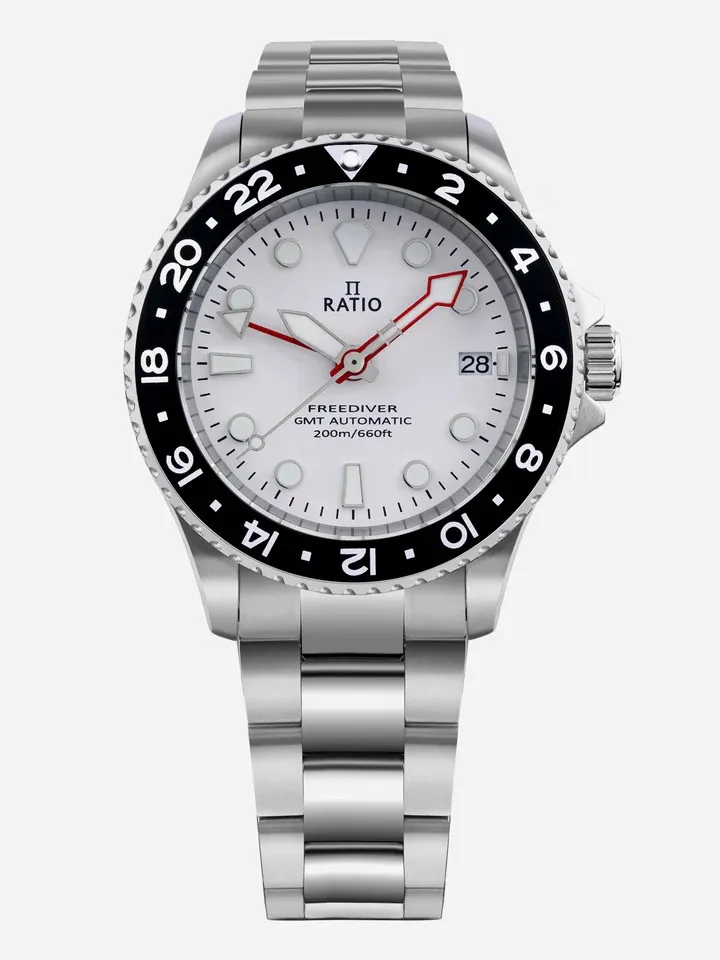

A sapphire crystal watch uses a synthetic sapphire glass over the dial, rated 9 on the Mohs hardness scale and second only to diamond. It resists everyday scratches far better than mineral glass, Seiko's Hardlex or acrylic. The trade-offs are higher replacement cost and more glare unless anti-reflective coating is applied.
Crystal material is one of the few specifications that changes how a watch looks after years of wear. Two watches can leave the factory looking identical, then age very differently depending on whether their crystal scratches. Sapphire has become common at accessible prices, yet many watches still use mineral or Hardlex. This piece explains how the materials differ, what sapphire costs in practice, and how three current watches compare.
[IMAGE: Close-up of a sapphire crystal over a dive watch dial catching light at an angle | Caption: Sapphire resists the scratches that cloud mineral glass | Credit: Brand press image, confirm licence]
What is a sapphire crystal?
A sapphire crystal is a synthetic sapphire, made from aluminium oxide grown in a lab and cut into a thin disc. It rates 9 on the Mohs hardness scale, which means only diamond and a few other materials can scratch it.
That hardness is the whole point. Everyday hazards such as keys, walls, desk edges and sand are softer than sapphire, so they rarely leave a mark. Over years of wear, a sapphire crystal watch keeps its dial clear while softer crystals build up fine scratches that blur reading.
Sapphire's weakness is brittleness. A hard, sharp impact can crack it where a softer crystal would only scratch. In daily wear, though, scratches are far more common than cracks.
Sapphire, mineral, Hardlex and acrylic compared
The four common crystal materials sit on a scale from soft and tough to hard and brittle. Acrylic is softest, mineral and Hardlex sit in the middle, and sapphire is hardest.
Acrylic, sometimes called hesalite, scratches easily but rarely shatters, and light scratches can be polished out. It gives a warm, vintage look. Mineral glass is harder and cheap to replace but marks over time. Hardlex is Seiko's treated mineral glass, tougher than standard mineral but still softer than sapphire. Sapphire is the most scratch-resistant and the most expensive to replace.
Why anti-reflective coating matters
Sapphire reflects more light than mineral or acrylic, which can make the dial harder to read in bright conditions. Anti-reflective coating reduces that glare and makes the dial look clearer.
Coatings can be applied to the inner surface, the outer surface or both. Inner coatings are protected from wear. Outer coatings cut glare further but can scratch over time, leaving faint marks on an otherwise flawless crystal. When buying a sapphire watch, the presence and placement of anti-reflective coating matters as much as the sapphire itself.
Three crystals compared on current watches
The three watches below use sapphire, Hardlex and mineral crystals. They show how the choice affects the rest of the specification at similar price levels.
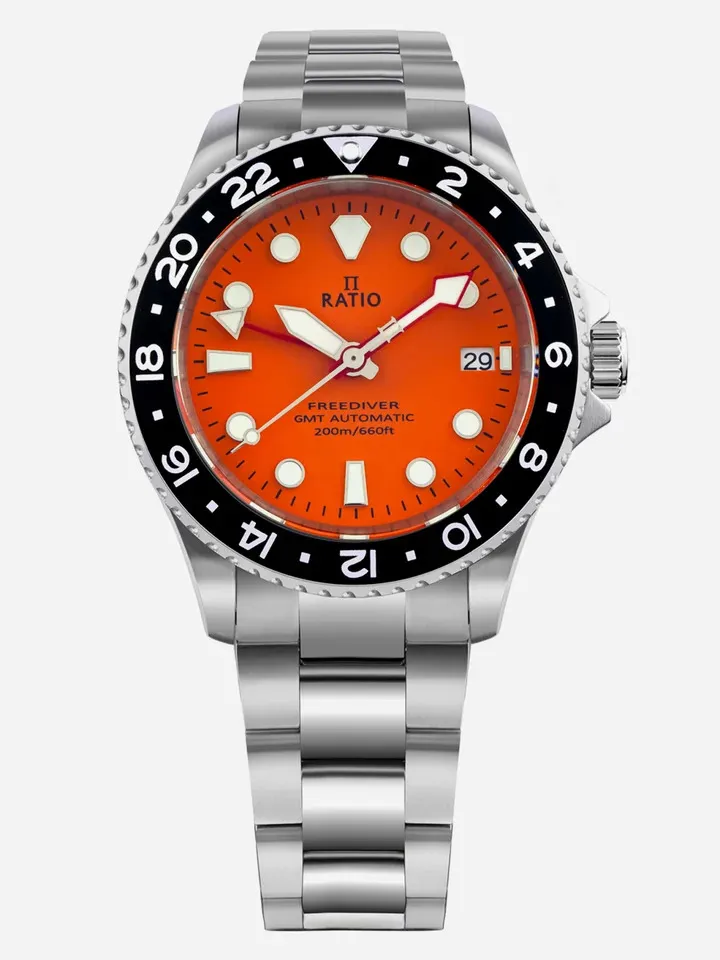
Ratio Freediver RTF041 uses sapphire. The 40mm 316L steel case is 13.0mm thick, with 20mm lugs. The crystal is sapphire with anti-reflective coating. Inside is the Seiko NH35 automatic with about 40 hours of reserve. The crown screws down and water resistance is 200m. As a sapphire crystal watch, it brings the hardest common crystal material to an accessible dive watch.
Where it falls short: sapphire costs more to replace than mineral if it cracks. The aluminium bezel insert is softer than the crystal and will show wear first. Lug-to-lug is not published.
Seiko 5 Sports SKX Mid-Size SRPK33 uses Hardlex. The 38mm steel case is 12.1mm thick and 44.2mm lug to lug. The Hardlex crystal is Seiko's treated mineral glass. The 4R36 automatic offers about 41 hours of reserve, and water resistance is 100m.
Where it falls short: Hardlex marks more easily than sapphire with daily wear. The crown does not screw down. 100m limits serious water use.
Citizen Promaster Diver BN0150-10E uses mineral glass. The 44mm steel case is 11.5mm thick. The mineral crystal has anti-reflective treatment. The Eco-Drive E168 solar movement runs about six months on a full charge, and the watch is ISO certified to 200m.
Where it falls short: mineral glass scratches more readily than sapphire. At 44mm it is large for slimmer wrists. The rechargeable cell eventually needs replacing.
The honest trade-offs
Sapphire wins on scratch resistance, which matters most in daily wear. It loses on shatter resistance and replacement cost. Mineral and Hardlex are cheaper and tougher against sharp impacts, but they cloud with fine scratches over the years.
Crystal is one specification among many. The Citizen offers ISO certification with mineral glass, while the Ratio offers sapphire without it. Buyers should weigh crystal against crown, rating and movement.
Who should prioritise sapphire
Owners who wear one watch daily, work with their hands or spend time around sand and rocks benefit most from sapphire. It keeps the watch looking new for longer with no maintenance.
Collectors who prefer vintage character may choose acrylic deliberately. For most buyers, though, a sapphire crystal watch with anti-reflective coating is the most practical long-term choice.
Frequently Asked Questions
Is sapphire crystal scratch-proof?
Not completely, but it is highly scratch-resistant. Sapphire rates 9 on the Mohs scale, so only diamond and a few hard materials can scratch it. Everyday hazards like keys, walls and sand are softer and rarely leave marks. A hard impact can still crack it.
What is the difference between sapphire and mineral crystal?
Sapphire is far harder and resists scratches much better. Mineral glass is softer, cheaper and more resistant to shattering, but it builds up fine scratches over time. Sapphire costs more to replace if it cracks, while mineral crystals are cheap to swap out.
What is Hardlex crystal?
Hardlex is Seiko's proprietary treated mineral glass. It is harder than standard mineral glass and tougher against impacts, but still softer than sapphire. It appears on many Seiko watches, especially in the Seiko 5 range, and resists scratches better than ordinary mineral.
Does sapphire crystal need anti-reflective coating?
It benefits greatly from it. Sapphire reflects more light than other crystals, which can create glare. Anti-reflective coating reduces reflections and improves legibility. Inner coatings are protected from wear, while outer coatings cut more glare but can scratch over time.
Can a sapphire crystal crack?
Yes. Sapphire is hard but brittle, so a sharp, heavy impact can crack or chip it. In daily wear, cracks are rare compared with scratches. Mineral and acrylic crystals are more likely to scratch but less likely to crack under the same impact.
Is sapphire worth paying extra for?
For most owners, yes. Sapphire keeps the dial clear for years without polishing or replacement. It matters most on watches worn daily or used outdoors. Collectors who enjoy vintage looks may prefer acrylic, which can be polished but scratches easily.

























Sign in to leave a comment.