Sciatica Pain and Lower Back Problems: When Should You Consult a Spine Specialist?

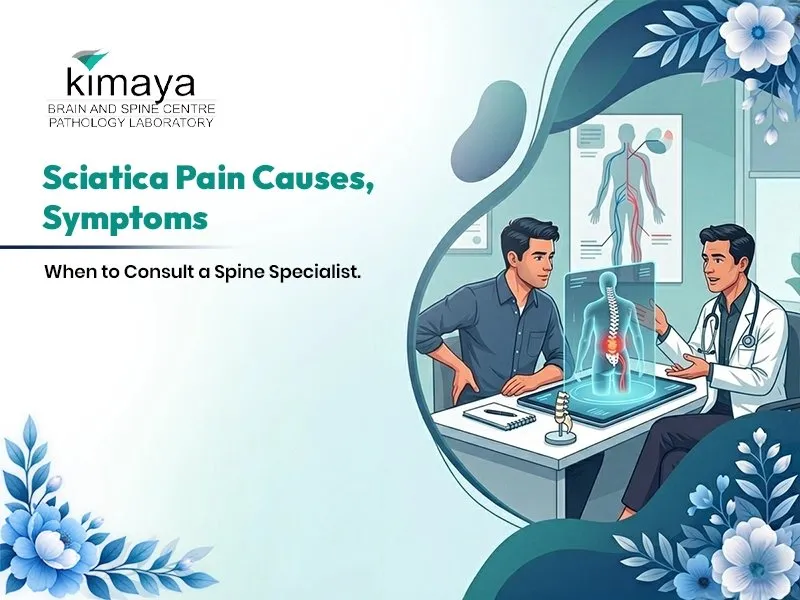
Lower back pain can become more concerning when it begins travelling into the buttock, thigh, calf, or foot. This pattern may be associated with sciatica, a symptom that often develops when nerves in the lower spine become irritated or compressed.
For people experiencing recurring leg pain, understanding the possible causes and recognising warning signs can help them decide when to seek medical evaluation.
What Does Sciatica Pain Feel Like?
Sciatica can produce sharp, shooting, burning, or electric-shock-like pain that travels from the lower back into the leg. Some people experience tingling or numbness, while others notice weakness affecting the leg or foot.
Symptoms commonly affect one side of the body, although patterns can vary. Pain may interfere with sitting, walking, sleeping, and other routine activities.
Importantly, not every case of lower back pain or leg discomfort is sciatica. The underlying cause needs to be assessed rather than assumed.
Common Causes of Sciatica
Several spinal conditions can irritate or compress the nerve roots associated with sciatic pain.
Herniated disc: A spinal disc protrudes and may press against a nearby nerve root.
Lumbar spinal stenosis: Narrowing of the spinal canal or nerve pathways can contribute to pain, numbness, or weakness.
Degenerative changes: Changes in spinal discs and joints may reduce the space available for nerves.
Spondylolisthesis: A vertebra shifts relative to the vertebra below it and may affect nearby nerve pathways.
In some cases, symptoms develop following physical strain or an injury. However, the cause cannot be reliably identified from pain symptoms alone.
For a more detailed explanation of the causes, symptoms, diagnostic process, and treatment approaches, read this guide to sciatica treatment and spine specialist consultation in Kalewadi.
How Is Sciatica Evaluated?
A medical evaluation typically begins with a discussion of the patient's symptoms, medical history, and how the pain affects daily activities.
A clinician may assess muscle strength, reflexes, sensation, movement, and the distribution of pain. Depending on the findings, an MRI or other investigation may be recommended.
Imaging is not necessary for every person with sciatica. The decision depends on the clinical assessment, symptom duration, and whether serious underlying problems are suspected.
What Treatment Options May Be Considered?
Sciatica treatment depends on the underlying cause, symptom severity, and whether nerve function is affected.
Depending on the diagnosis, treatment may include:
- Modifying activities that aggravate symptoms while maintaining appropriate movement.
- Medication prescribed by a qualified healthcare professional.
- Physiotherapy and individually selected exercises.
- Targeted injections in selected cases.
- Surgery when clinically indicated.
Many cases improve without surgery. However, significant nerve compression, progressive weakness, emergency conditions, or persistent disabling symptoms may require specialist assessment for further intervention.
Self-treatment should not replace medical evaluation when symptoms persist or worsen.
When Should You Seek Urgent Medical Attention?
Certain symptoms require emergency medical care. These include new bladder or bowel control problems, difficulty urinating, numbness around the groin or buttocks, or severe and rapidly worsening weakness in one or both legs.
These signs may indicate serious nerve compression. Do not wait for a routine appointment if they develop.
Sciatica Treatment in Kalewadi, Pimpri-Chinchwad
People experiencing persistent lower back pain that travels into the leg may benefit from an assessment to determine whether a spinal nerve problem is responsible.
Dr. Nihar Ingale, Brain & Spine Specialist, evaluates patients with spine-related and neurological symptoms. The appropriate treatment depends on the individual's diagnosis, examination findings, and clinical needs.
If you are experiencing recurring leg pain, tingling, numbness, or weakness, explore the detailed guide to sciatica symptoms, diagnosis, and treatment options in Kalewadi, Pimpri-Chinchwad.
Understanding the cause of your symptoms is an important step towards selecting appropriate care. This article provides general health information and does not replace an individual medical assessment.







Sign in to leave a comment.