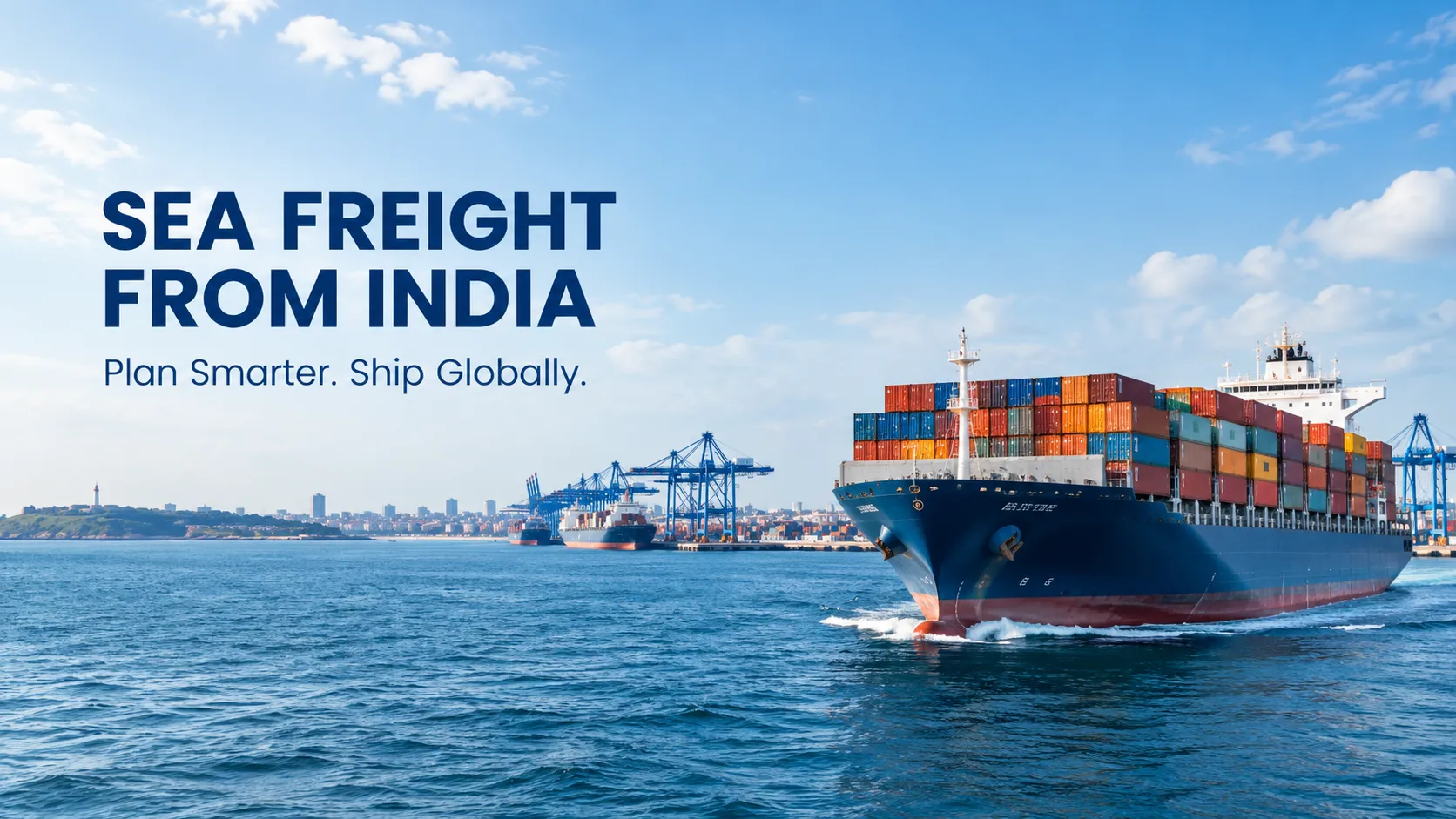

International shipping can become expensive and unpredictable when businesses overlook freight costs, documentation, or delivery timelines. For Indian exporters and importers, proper planning helps avoid delays, reduce unexpected charges, and keep goods moving smoothly across borders.

Sea freight solutions are a practical choice for transporting large shipments internationally at competitive costs. However, choosing the right shipping method and preparing every shipment detail in advance are essential for reliable delivery.
1. Choose the Right Sea Freight Option
The best shipping option depends on your cargo volume, budget, and delivery requirements.
- Full Container Load (FCL): Suitable when your shipment requires an entire container, offering greater control over loading and handling.
- Less than Container Load (LCL): Ideal for smaller shipments that share container space with other cargo, helping businesses avoid paying for an entire container.
Before booking, confirm your cargo dimensions, gross weight, destination port, and expected delivery schedule. These details help freight professionals recommend an appropriate shipping option.
2. Calculate the Total Shipping Cost
One common mistake businesses make is comparing freight rates without considering the complete shipment cost. A low ocean freight quote may not include every charge involved in moving goods from the supplier to the final destination.
When requesting sea freight services, check the following:
- Origin transportation and port handling charges
- Ocean freight and applicable surcharges
- Customs clearance and documentation fees
- Destination port handling and delivery charges
- Cargo insurance, where required or selected
Request a detailed quotation and clarify which services are included. This makes budgeting easier and reduces the risk of unexpected expenses.
3. Prepare Shipping Documents Before Dispatch
Incomplete or inconsistent paperwork can delay customs clearance and disrupt delivery schedules. Prepare the required documents before cargo dispatch and verify that shipment details match across all records.

Depending on the shipment, commonly required documents include:
- Commercial invoice
- Packing list
- Shipping bill for exports from India
- Bill of lading
- Importer Exporter Code (IEC) and other applicable registrations or certificates
Requirements vary according to the goods, destination country, and applicable regulations. Confirm documentation requirements with your freight forwarder and customs professional before shipping.
4. Plan for Transit Time and Possible Delays
Sea freight generally takes longer than air freight, and the total delivery time includes more than the vessel journey. Port congestion, customs inspections, transshipment, weather conditions, and changes in sailing schedules can affect arrival dates.
To minimise disruption:
- Book shipments well before customer delivery deadlines.
- Allow extra time for customs clearance and inland transportation.
- Track shipment milestones and communicate schedule changes promptly.
- Maintain alternative delivery plans for time-sensitive orders.
Accurate planning is especially important for businesses managing inventory, seasonal demand, or international customer commitments.
5. Work With a Reliable Freight Forwarder
Managing international shipments involves coordination between shipping lines, ports, customs authorities, transport providers, and overseas partners. Working with an experienced logistics partner helps businesses coordinate these activities more efficiently.
SEU Worldwide Logistics Private Limited supports businesses with international freight requirements, including sea freight and related logistics coordination. The right logistics partner can help you compare suitable shipping options, understand charges, prepare documentation, and plan cargo movement according to your business needs.
Frequently Asked Questions
1. How does sea freight from India work?
The process typically includes cargo preparation, documentation, export customs clearance, port handling, ocean transportation, destination customs clearance, and final delivery where arranged.
2. Is sea freight cheaper than air freight?
Sea freight is often more economical for large or heavy shipments, although the best option depends on cargo volume, urgency, destination, and total logistics costs.
3. How can I reduce international sea shipping costs?
Compare complete freight quotations, select the appropriate container option, prepare accurate documentation, consolidate smaller shipments where practical, and book in advance.
4. What should I check before booking sea freight services?
Confirm the cargo specifications, origin and destination, estimated transit time, total charges, documentation requirements, insurance arrangements, and responsibilities for customs clearance.
Plan Your International Shipment With Confidence
Successful international shipping starts with the right planning. By selecting a suitable container option, understanding the complete costs, preparing documents, and allowing sufficient transit time, businesses can reduce avoidable delays and manage shipments more effectively.
Planning an international shipment from India? Contact SEU Worldwide Logistics Private Limited to discuss your cargo requirements and explore suitable sea freight solutions for your business.


























Sign in to leave a comment.