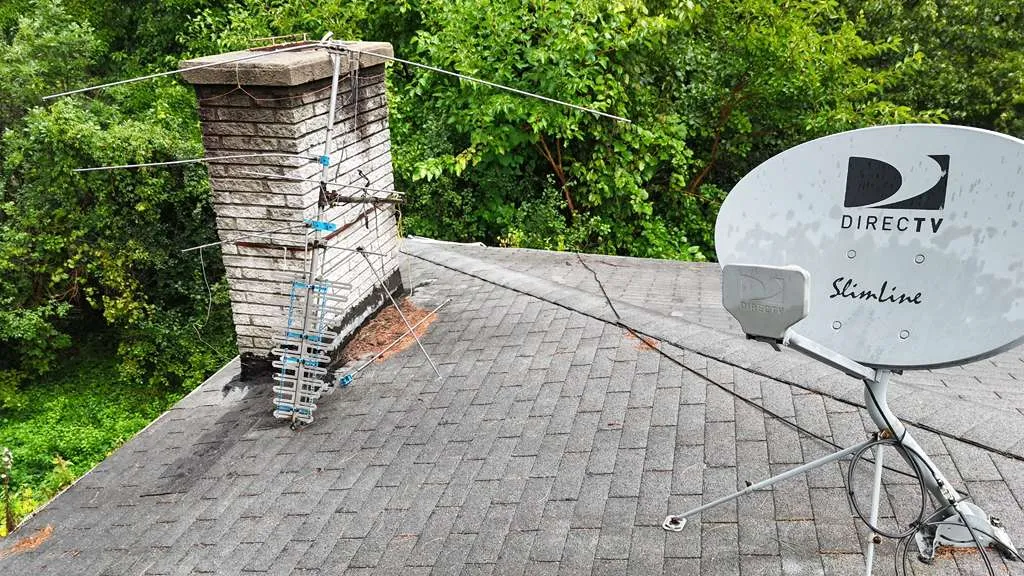

Your roof protects your home through scorching summer days, heavy rain, falling leaves, snow, and freezing temperatures. But every season brings its own set of challenges, and small roofing issues can become serious leaks if they're overlooked.
Seasonal roof maintenance isn't just about fixing a leak after it appears. It's about identifying vulnerable areas, keeping drainage systems clear, and addressing minor damage before the next round of severe weather arrives.
With a little preparation throughout the year, homeowners can reduce the chances of unexpected leaks and help their roofs perform reliably in every season.
Spring: Look for Winter Damage
Spring is an excellent time to inspect your roof after months of cold weather. Snow, ice, strong winds, and freezing temperatures can leave behind problems that aren't immediately obvious.
Start by checking for missing, cracked, or damaged shingles. Look around flashing near chimneys, vents, skylights, and other roof penetrations. These areas can become vulnerable when sealants deteriorate or materials shift.
Your gutters and downspouts deserve attention as well. Leaves, twigs, and other debris can block water from draining properly. When water backs up, it may find its way beneath roofing materials and eventually into the house.
If you notice ceiling stains, damp insulation, or a musty smell after winter, don't wait for another storm to expose the problem. A professional inspection can help locate the source and determine the appropriate repair.
Summer: Protect Your Roof From Heat and Storms
Summer can be surprisingly hard on roofing materials. Extended exposure to direct sunlight and high temperatures can accelerate aging, while sudden thunderstorms can bring strong winds and heavy rainfall.
Inspect your roof for curling, blistering, loose shingles, or deteriorated flashing. It's also worth checking trees near your home. Overhanging branches can scrape against shingles during windy weather or break and fall onto the roof.
Attic ventilation is another important consideration. Excessive heat buildup in the attic can contribute to premature aging of roofing materials and may affect indoor comfort.
If a summer storm causes visible damage or you notice signs of water intrusion, roof leak repair in chicago can help address the problem before it worsens. Arranging an inspection as soon as conditions are safe can prevent a small roofing issue from allowing rainwater to reach the roof deck or interior of your home.
Fall: Get Ready for Rain and Snow
Fall is one of the most important seasons for roof preparation. Before temperatures drop, take time to make sure your roof and drainage system are ready for colder weather.
Clean leaves and debris from gutters and roof valleys. Blocked drainage can cause water to accumulate, increasing the risk of leaks as temperatures fall.
Look for damaged or missing shingles and inspect flashing around vulnerable areas. Small openings can become larger problems when moisture repeatedly enters and freezes.
It's also a good time to trim tree branches that hang too close to the roof. This can reduce the risk of falling branches and limit the amount of leaves collecting in your gutters.
Homeowners in areas with harsh winters should consider scheduling a professional inspection in the fall. Finding problems before the first major snowfall gives you more time to make necessary repairs.
Winter: Watch for Ice, Snow, and Freezing Conditions
Winter creates a different set of roofing challenges. Snow accumulation, ice, freezing temperatures, and repeated freeze-thaw cycles can put additional stress on a roofing system.
Ice dams can form when heat escapes from the attic and causes snow on the roof to melt unevenly. The resulting water can refreeze near the roof edge, potentially preventing proper drainage.
Keep an eye out for unusual icicles, water stains on ceilings, or moisture around windows and exterior walls. These signs may indicate that water is entering where it shouldn't.
Avoid attempting risky roof repairs during icy or snowy conditions. Instead, contact a qualified roofing professional who can evaluate the situation safely.
When Should You Schedule Roof Leak Repair?
A roof leak doesn't always start as a dramatic stream of water pouring through the ceiling. Sometimes the earliest clues are subtle—a small stain, damp insulation, peeling paint, or a persistent musty odor.
If you live in the Chicago area, professional roof leak repair can help address leaks caused by storm damage, aging materials, flashing problems, drainage issues, and other common roofing concerns.
The key is to avoid treating the visible symptom as the entire problem. Water can travel through roofing layers before it becomes visible inside your home. Finding the actual entry point is essential for a lasting repair.
How to Repair a Leaking Flat Roof
If you're searching for how to repair a leaking flat roof, keep in mind that the appropriate method depends on the roofing system and the source of the leak.
A professional may inspect the membrane, seams, flashing, drainage points, and areas around penetrations. Depending on the damage, repairs could involve patching a small section, resealing a seam, repairing flashing, or addressing a drainage problem.
Flat roofs can also develop standing-water issues, which may contribute to deterioration over time. Simply covering a visible hole without addressing the underlying cause may result in another leak later.
Because roof surfaces can be slippery and potentially unsafe, it's best to leave detailed inspections and repairs to trained professionals.
Simple Steps to Prevent Roof Leaks Year-Round
Seasonal maintenance doesn't have to be complicated. A few consistent habits can make a significant difference:
- Inspect the roof after major storms.
- Keep gutters and downspouts free of debris.
- Check the attic for signs of moisture or daylight.
- Look for damaged, missing, or deteriorating shingles.
- Keep tree branches trimmed away from the roof.
- Pay attention to ceiling stains and musty odors.
- Schedule professional inspections when the roof is aging or has experienced significant weather exposure.
These steps won't prevent every roofing problem, but they can help you catch developing issues earlier.
Don't Wait Until a Small Leak Becomes a Major Repair
Every season puts different demands on your roof. Spring storms can expose winter damage, summer heat can accelerate wear, fall debris can clog drainage systems, and winter snow and ice can create additional moisture problems.
The best time to address a roof issue is before it becomes an emergency. Regular inspections and timely repairs can help protect your home's structure, interior, and belongings while potentially extending the useful life of your roofing system.
For homeowners who want dependable help identifying and addressing seasonal roofing problems, Dad Exteriors can provide professional guidance and repair solutions designed to keep your roof ready for whatever the next season brings.





























Sign in to leave a comment.