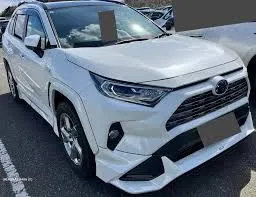

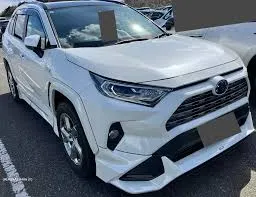
A 2nd hand car in Japan is a pre-owned vehicle that is sold through Japanese dealers and auctions, usually with a grading sheet, recorded mileage and photos. For buyers in Uganda, the smart way to choose one is to read the listing carefully, confirm the total cost to your door, check current import rules, and buy from an exporter who answers questions openly. The sections below answer the questions buyers ask most.
What Exactly Is a Pre-Owned Vehicle Listing?
A pre-owned vehicle listing is the advertisement or data sheet describing a specific used car. Think of it as the car's introduction: who made it, how old it is, how far it has travelled, what condition it is in, and what it costs.
When you look at japanese used cars in japan, a good listing does more than show a pretty photo. It gives you facts you can check. That matters because you will probably never see the car in person before it ships, so the listing and the inspection details are your eyes on the ground.
What Information Should a Good Listing Include?
Answer: At minimum, make, model, year, mileage, grade, engine details, transmission, photos and a clear price.
Here is a practical checklist you can use when comparing listings:
| Listing Detail | Why It Matters |
|---|---|
| Make, model and year | Confirms what you are buying and helps check import eligibility |
| Mileage | Shows wear; should match the car's age and condition notes |
| Inspection grade | A quick summary of overall condition |
| Engine size and fuel type | Affects running costs and, in many cases, taxes |
| Transmission | Automatic or manual, matched to your driving habits |
| Number of photos | More angles mean fewer surprises |
| Price basis | Shows whether the figure is the car only or includes shipping |
| Chassis number | Lets the exporter verify details and prepare documents |
If any of these are missing, ask for them. A seller who is happy to share details is usually a seller worth talking to.
How Do Grades and Inspection Sheets Work?
Answer: They summarise a car's condition using a standard scoring approach, with notes on the body and interior.
Many vehicles sold through Japanese auctions are inspected and given an overall grade, along with separate marks for exterior and interior. The sheet also notes dents, scratches, repairs or other points the inspector found.
You do not need to memorise the whole system. Focus on three habits:
- Read the notes, not only the number. A decent grade can still hide a repaired panel worth knowing about.
- Match the sheet to the photos. Both should tell the same story.
- Ask for explanations. A reliable exporter will translate any code you do not understand.
This is one of the main advantages of choosing second hand vehicles from japan: the condition is documented before you pay.
Which Models Do Ugandan Buyers Usually Look For?
Answer: Popular, well-supported models from Toyota, Nissan, Honda, Mazda and Subaru, because parts and mechanics are easy to find.
Different needs call for different vehicles:
- City commuting: compact cars such as the Toyota Vitz, Honda Fit and Nissan Note, known for modest fuel use
- Families: the Toyota Noah, Nissan Serena or Toyota Wish, which offer space and comfort
- Rough roads and upcountry travel: SUVs like the Toyota RAV4, Subaru Forester or Nissan X-Trail
- Business and hauling: pickups and vans such as the Toyota Hilux or Nissan Caravan
Choosing a popular model has a hidden benefit. When something needs repair, parts are easier to source and mechanics already know the car, which keeps downtime and bills lower.
What Is the Real Cost of Buying From Japan?
Answer: The listing price is only one part; the true cost includes shipping, port charges, taxes, registration and early servicing.
This is the question that catches people out most often. A low listing price can look wonderful until the extra charges arrive. Before you commit, ask your exporter for a written estimate covering:
- The vehicle price and any export-side fees
- Sea freight to the port
- Port handling and clearing costs
- Import duty and taxes that apply to that vehicle's age and engine size
- Registration, number plates and related paperwork in Uganda
- Any servicing or repairs you expect to do soon after arrival
Add these together and compare options by total cost. A car that looks more expensive on paper may turn out cheaper once everything is counted. Greatcars Japan encourages buyers to ask for this breakdown up front, so there are no unwelcome surprises.
Are There Age and Import Rules to Watch For?
Answer: Yes. Uganda has rules on the age of imported vehicles, along with tax and registration requirements, and these can change.
Do not rely on an old forum post or a friend's experience from a few years ago. Before paying a deposit, confirm the current requirements with your exporter or the relevant Ugandan authority. Check that the car you like meets the age rules, understand what taxes will apply, and ask which documents you will need.
Typical paperwork includes the purchase invoice, export certificate, shipping documents and your identification, but the exact list can change. Getting this right early saves time and money later.
What Are the Red Flags in a Listing or a Seller?
A few warning signs are worth knowing:
- Prices far below the market. If it looks too good to be true, ask why.
- Few or blurry photos. Good sellers show the car from every angle.
- No inspection sheet or grade. Without it, you are guessing about condition.
- Pressure to pay quickly. A genuine seller will give you time to check details.
- Vague answers about fees. Hidden charges usually start with unclear explanations.
- Mileage that does not match the car's condition. Compare the number with the notes and photos.
If you notice more than one of these, pause and ask more questions before sending any money.
How Can You Choose the Right Car Step by Step?
- Set a total budget that includes shipping, taxes and registration.
- Decide how you will use the car, such as city driving, family trips or business.
- Shortlist two or three models with good parts availability in Uganda.
- Compare listings using the checklist above, paying attention to grade and mileage.
- Ask for a full cost estimate in writing.
- Confirm current import rules and the documents you need.
- Choose an open, responsive exporter and keep records of your communication.
Follow this order and you remove most of the guesswork from buying a 2nd hand car in Japan.
Final Thoughts
Buying a 2nd hand car in Japan does not need to feel like a gamble. Read the pre-owned vehicle listing closely, understand the grade, count every cost, check the current import rules and choose a seller who answers your questions without fuss. Whether you are browsing japanese used cars in japan for a city runabout or a family vehicle, a careful approach pays off. Greatcars Japan is ready to help Ugandan buyers go through each step with clear information and honest guidance on second hand vehicles from japan.
Frequently Asked Questions
What is a 2nd hand car in Japan?
It is a pre-owned vehicle sold in Japan through dealers and auctions, usually with a recorded mileage, a condition grade and photos. Many such cars are later exported to countries like Uganda.
Are japanese used cars in japan reliable?
Many are, thanks to regular servicing habits and a strict inspection system. Reliability still depends on the individual vehicle, so always review the grade, mileage and notes before buying.
What should I check first in a pre-owned vehicle listing?
Start with the year, mileage, inspection grade and photos. Then confirm the price basis, engine details and chassis number, and ask the seller to clarify anything that is missing.
Are second hand vehicles from japan cheaper than buying locally in Uganda?
Often the purchase price is lower for similar age and condition, but you must add shipping, port fees, taxes and registration to compare fairly. Calculate the total before deciding.
Can I buy a car without seeing it in person?
Many buyers do, relying on inspection sheets, photos and a reputable exporter. It carries some risk, so read the documents carefully and ask questions until you are comfortable.
What documents do I need to import a used car into Uganda?
Usually the invoice, export certificate, shipping papers and identification, plus paperwork for tax clearance and registration. Rules can change, so confirm the current list before you pay.
How long does delivery take?
It depends on shipping schedules, port processing and inland transport. Ask for a realistic estimate and allow extra time for possible delays.
















Sign in to leave a comment.