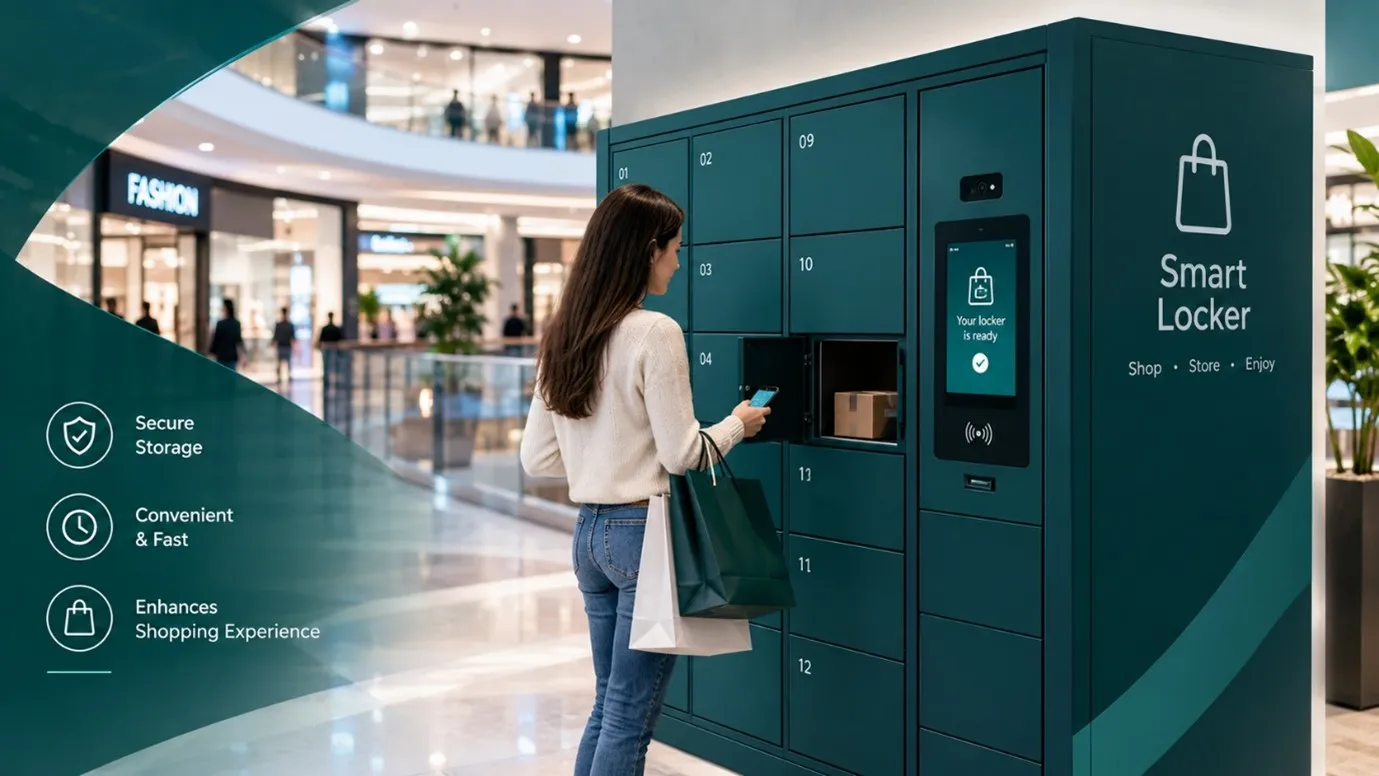

A Smart Locker System gives UAE business facilities a secure, trackable and automated way to store parcels, laptops, uniforms, tools and personal belongings. Across Dubai, Abu Dhabi and Sharjah, offices, hospitals, campuses and retail destinations are replacing manual key cabinets with intelligent storage that protects assets and saves valuable staff time.
This guide explains how intelligent storage technology works, where it delivers the most value, how to deploy it in the UAE climate and regulatory environment, and what to look for in an implementation partner. It draws on the practical experience of Tektronix LLC, a UAE technology integrator that designs, installs and supports security, access control and automation solutions for enterprises across the Gulf region.
Why UAE Business Facilities Are Moving to Intelligent Storage
The UAE has one of the most digitally ambitious business environments in the world. National programmes such as UAE Vision 2031 and the Smart Dubai initiative have pushed organisations to digitise customer and employee services, and physical storage is part of that shift. Shared desks, hybrid working, online shopping and round the clock operations mean that more items change hands every day than traditional cabinets can handle safely.
Manual key boxes create familiar problems. Keys are lost, copied or left in pockets, nobody knows who opened a compartment, and staff spend hours handing items over at reception desks. In busy locations such as business parks in Dubai Silicon Oasis, hospitals in Abu Dhabi or university campuses in Sharjah, these delays and blind spots add up to real cost and real risk. Automated lockers solve them by turning every storage compartment into a controlled, monitored and reportable asset.
How a Modern Smart Storage Locker Works
Modular Hardware Built for Daily Use
Intelligent lockers are built from modular columns of powder coated steel or high-pressure laminate compartments in different sizes, from small doors for phones and wallets to tall units for uniforms and tools. A central controller, touchscreen terminal and network connection manage every door. Because the units are modular, a facility can start with a small bank in one lobby and expand later without replacing earlier investments. An Electronic Locker System replaces mechanical keys with controller driven locks, so there is nothing physical to lose, copy or hand over.
Flexible Authentication Methods
Users can open compartments with a PIN, a QR code, an RFID card, an NFC enabled phone or a biometric credential, depending on the security level the site needs. Because Tektronix also deploys HID access control technologies, the same credentials that open doors and turnstiles can often unlock lockers as well, which removes the need for a separate card or app.
Software That Runs the Whole Network
Behind the hardware sits a management platform. A Digital Locker System records every assignment, opening, closing and release event with a time stamp, allowing administrators to see utilisation, overdue items and faults from any browser. Alerts can be sent by email, SMS or messaging platforms when a compartment is left open, forced or unused for too long.
Security Architecture and Data Protection
Security is the main reason organisations invest in smart storage, so the design of the platform matters as much as the steel of the cabinet. A well-engineered Locker System combines physical protection, encrypted communication and strict role-based permissions so that every action can be attributed to a verified user.
Data protection is equally important. In the UAE, personal data is governed by Federal Decree Law No. 45 of 2021 on the Protection of Personal Data, and organisations that handle biometric templates should apply data minimisation, encryption at rest and in transit, and clear retention rules. Good practice also includes alignment with ISO 27001 information security principles, regular firmware updates and tamper alarms tied to CCTV cameras so that security teams can see exactly what happened and when.
Integration closes remaining gaps. When lockers connect to an integrated access control platform, visitor management software and video surveillance, a single event, such as a failed authentication, can trigger an alarm, a camera bookmark and an incident ticket automatically.
Practical Use Cases Across UAE Industries
Corporate Offices and Coworking Spaces
Hybrid workplaces rely on shared desks, which means employees need a safe place for laptops, documents and personal items between visits. Assigned or dynamic lockers give each person a secure compartment, while charging lockers keep devices powered. IT teams can also use smart storage lockers from Tektronix to issue and collect spare laptops, headsets and access cards without a staffed counter.
Healthcare and Education
Hospitals and clinics use lockers for staff belongings, scrubs, keys and portable equipment, and touchless operation supports infection control policies. Universities and schools use them for student bags, shared tablets, library items and laboratory tools, with automatic reminders when borrowed items are overdue.
Retail, Hospitality and Shopping Destinations
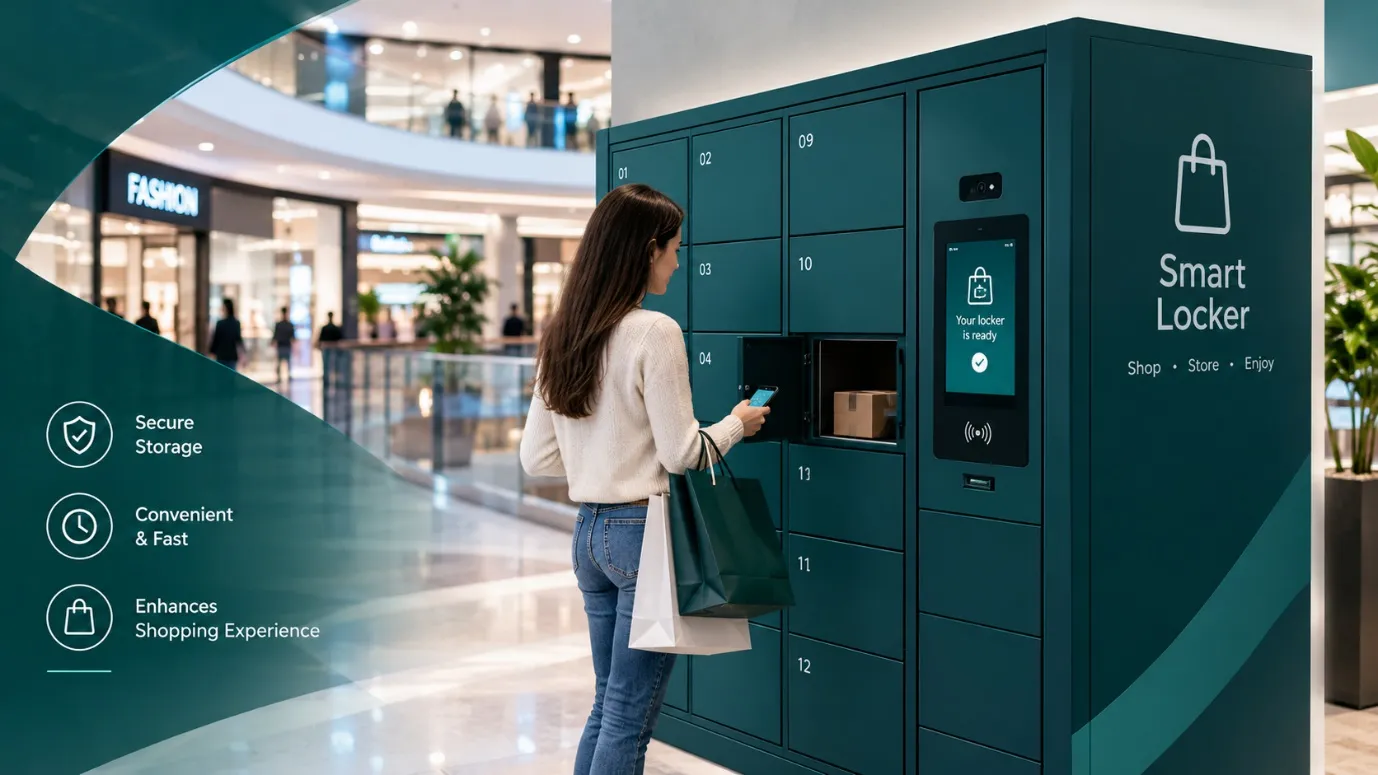
Shopping centres, hotels and entertainment venues across Dubai and Abu Dhabi welcome large numbers of visitors who carry bags, luggage and purchases. Lockers let guests move freely, support click and collect orders and reduce pressure on concierge and customer service desks. Staff storage areas benefit in the same way, with fewer lost keys and cleaner shift changes.
Logistics and Residential Buildings
Parcel volumes continue to rise with online commerce. Lockers installed in residential towers, business parks and logistics hubs allow couriers to drop off items at any hour and recipients to collect them with a code or a face scan, which ends missed deliveries and crowded reception desks.
Business Benefits That Management Teams Can Measure
- Stronger asset protection, because every compartment is locked, monitored and tied to a verified user.
- Lower labour effort, since reception and security staff no longer hand out keys or log items by hand.
- A complete audit trail that supports investigations, insurance claims and compliance reviews.
- A better user experience, with fast self-service access at any hour and fewer queues.
- Smarter space planning, using utilisation reports to add, remove or relocate compartments where demand changes.
Planning and Deploying Lockers in the UAE
Site Survey and Sizing
Successful projects begin with a survey of foot traffic, item types and peak periods. A mix of small, medium and large compartments avoids wasted space, while placement near entrances, staff rooms or delivery points keeps the experience convenient for users and couriers.
Power, Network and Environment
Lockers need stable mains power and a reliable network connection through LAN or Wi Fi, with battery backup for the controller where uptime is critical. The UAE climate also deserves attention. Heat, humidity and salt laden air in coastal areas such as Dubai Marina or the Abu Dhabi Corniche call for corrosion resistant finishes, proper ventilation and suitable ingress protection ratings for semi outdoor installations.
Integration, Training and Support
Plan integration with HR directories, access control, visitor management and CCTV early, so that permissions flow automatically. Administrators and front desk teams should receive hands on training, and a maintenance agreement with remote monitoring keeps the network available long after handover.
Measuring Return on Investment
A locker project should be judged by outcomes, not only by equipment cost. Facility managers can compare the hours spent on key handover, the number of lost item reports and the time visitors wait at reception before and after installation. Utilisation data from the management platform also shows which banks are busy, which compartments sit idle and where extra capacity would pay back fastest.
Indirect gains matter as well. Employees who trust the security of their storage arrive and leave more smoothly, tenants in commercial towers see a more professional experience, and security managers gain evidence they can present to auditors and insurers. Over a typical equipment life, these combined savings often outweigh the initial purchase, especially in high traffic sites where manual processes consume the most staff time.
Common Mistakes to Avoid
- Buying compartments of a single size, which leaves large items without space and wastes room in small doors.
- Ignoring network and power planning until after the units arrive, which delays commissioning.
- Treating biometric data casually instead of applying clear consent, retention and encryption rules.
- Skipping user training, which causes avoidable support calls during the first weeks of operation.
- Choosing a supplier without a local support team, which slows repairs and software updates.
Avoiding these errors keeps the project on schedule and gives users confidence from the first day. A short pilot in one building or one floor is often the most reliable way to confirm sizing, workflows and integrations before a wider rollout across several sites.
Why Organisations Choose Tektronix
Tektronix LLC is a UAE based systems integrator with experience across access control, visitor management, video analytics, data centre security and storage automation. The team works with globally recognised technology partners such as HID Global, and its engineers follow a structured process that covers survey, design, installation, commissioning and long-term maintenance. Customers in Dubai and Abu Dhabi benefit from local engineering support and clear documentation that helps compliance and internal audit teams.
Organisations that want to compare compartment sizes, authentication options and software features can explore the full locker portfolio and discuss their requirements with a specialist before committing to a design.
Conclusion
Tek Locker gives UAE organisations a secure, auditable and user-friendly way to manage shared storage in every type of facility. A planned Smart Locker System UAE programme reduces lost items, shortens handover queues and strengthens compliance with data protection expectations. Businesses launching a Smart Locker System Dubai project should start with a site survey, clear user policies and integration with existing security platforms. Choosing an experienced partner ensures that hardware, software and support work together for many years of reliable service.
To plan your deployment, request a consultation with Tektronix and turn everyday storage into a measurable security advantage.
























Sign in to leave a comment.