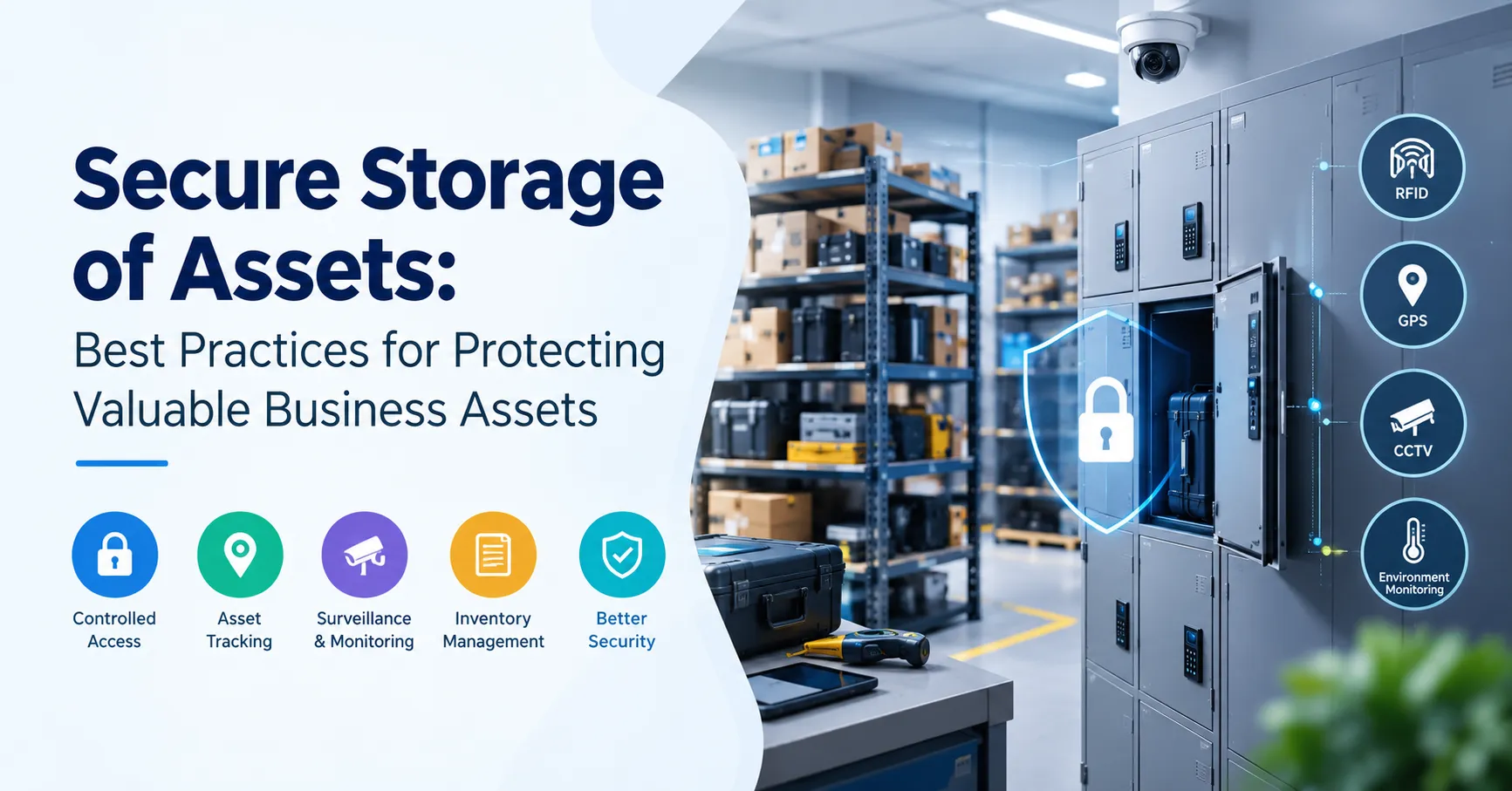

Businesses manage many valuable assets, including equipment, tools, electronics, documents, inventory, spare parts, and sensitive materials. Keeping these assets safe requires more than simply placing them inside a locked room. Secure Storage of Assets involves controlling access, monitoring asset movement, maintaining proper storage conditions, and keeping accurate records of what is stored and where it is located.
A well-planned asset storage system can reduce theft, damage, loss, unauthorized access, and operational delays. It also helps businesses maintain better visibility over their physical resources. With technologies such as electronic locks, RFID, GPS tracking, surveillance systems, and digital monitoring, organizations can improve how they protect and manage stored assets.
What Is Secure Storage of Assets?
Secure storage of assets refers to the processes, systems, and physical measures used to protect business assets while they are kept in warehouses, storage rooms, lockers, yards, offices, or other designated locations.
The goal is not only to prevent unauthorized access. A good storage approach should also help businesses identify assets, track their location, monitor access, and maintain records throughout the storage period.
For example, a company storing expensive tools may use restricted-access lockers combined with RFID identification. A warehouse may use surveillance cameras, access control, and inventory software to monitor stock. The appropriate solution depends on the asset type, storage environment, and security requirements.
Why Secure Asset Storage Matters
Poor storage practices can create several problems for businesses. Assets may be misplaced, stolen, damaged, or accessed by unauthorized employees. In some cases, employees may also spend unnecessary time searching for equipment because storage records are outdated.
Secure asset storage helps address these challenges in several ways.
1. Reduces the Risk of Theft
Valuable equipment, electronics, tools, and inventory can become targets for theft. Restricted storage areas, electronic locks, surveillance cameras, and access records can reduce unauthorized access.
When access is limited to approved employees, businesses have better control over who can enter a storage area or retrieve an asset.
2. Prevents Misplacement
Assets can become difficult to locate when multiple teams use the same equipment. A structured storage system assigns assets to specific locations and maintains records of their movement.
RFID tags, barcodes, and digital asset records can make it easier to identify where an item was stored, moved, or issued.
3. Protects Assets from Physical Damage
Security is not limited to preventing theft. Assets can also be damaged by moisture, dust, heat, improper handling, or poor storage arrangements.
Businesses should select storage conditions based on the requirements of the assets. Sensitive electronics, machinery components, documents, and other materials may require controlled environments.
4. Improves Accountability
When employees can access valuable assets, businesses need a clear record of asset usage. Digital access logs can record who entered a storage area or when an asset was checked out.
This creates greater accountability and makes it easier to investigate missing or damaged items.
Best Practices for Secure Storage of Assets
Businesses can follow several practical measures to improve asset protection.
1. Categorize Assets by Risk
Not every asset requires the same level of security. Start by classifying assets based on value, sensitivity, usage, and risk.
High-value equipment may require restricted access and continuous monitoring, while low-risk items may only need standard inventory controls.
Risk-based classification helps businesses allocate security resources where they are most needed.
2. Use Controlled Access
Storage areas should not be accessible to everyone. Businesses can use physical keys, access cards, PINs, biometric systems, QR codes, or electronic locks depending on their requirements.
Electronic access systems can also maintain records of entry and exit. This makes it easier to identify authorized users and review access history when required.
3. Implement Asset Identification
Each important asset should have a unique identification method. Barcodes, RFID tags, QR codes, serial numbers, or digital asset IDs can be used.
Identification allows employees to distinguish between similar assets and maintain accurate records. It also reduces the chance of duplicate or incorrect entries in inventory systems.
4. Track Asset Movement
Knowing where an asset is stored is useful, but businesses may also need to know when it moves.
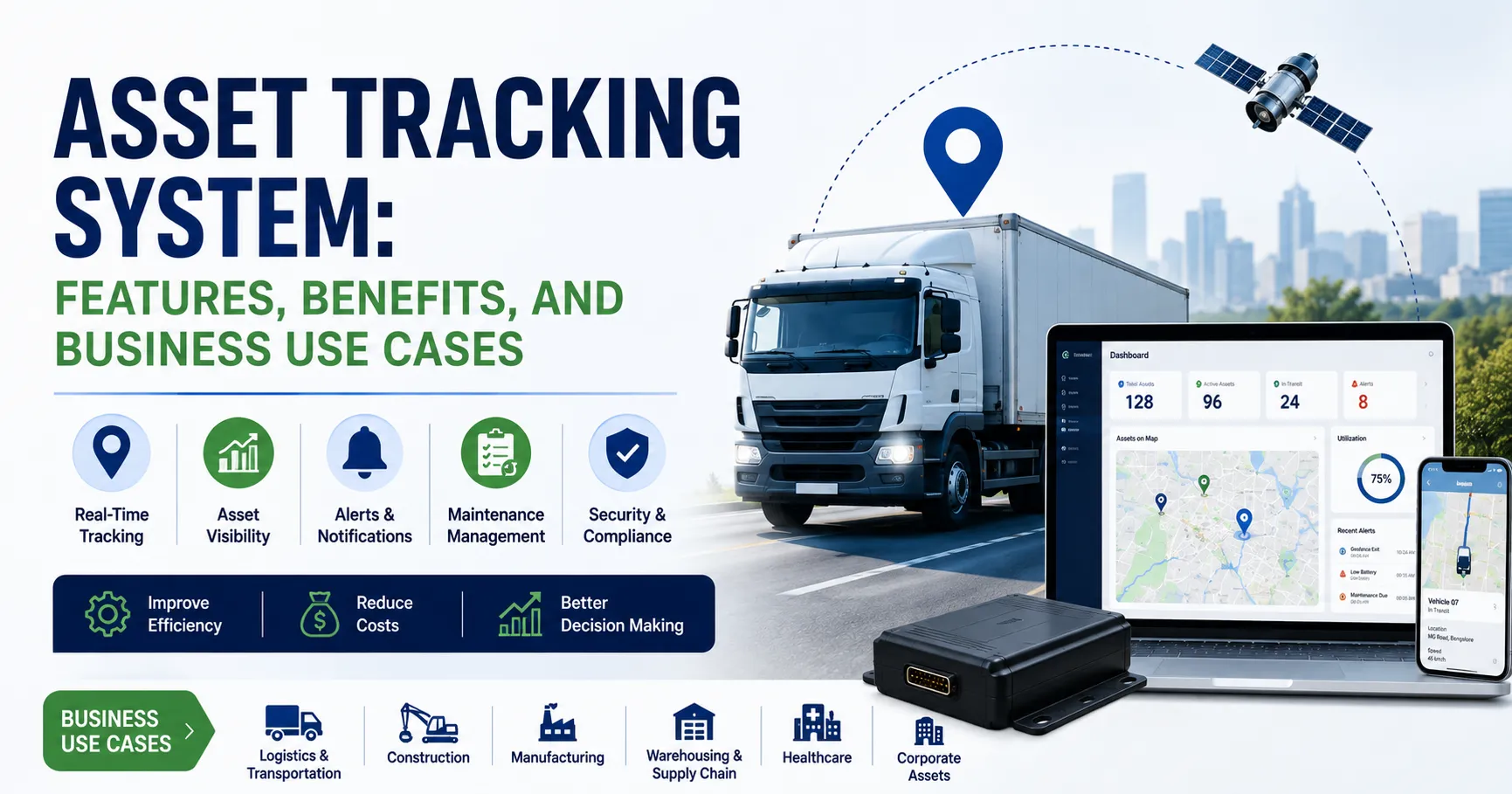
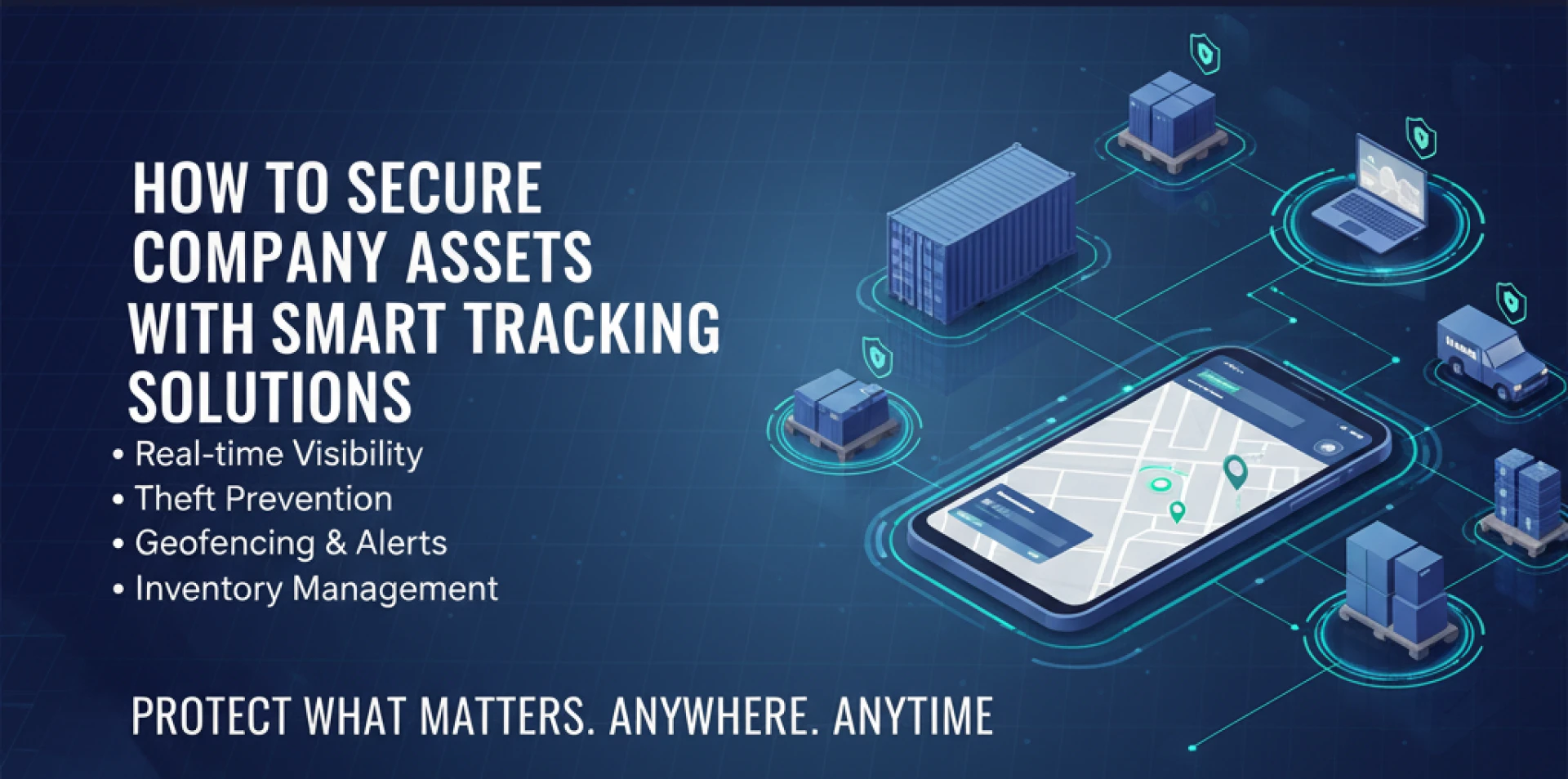
Asset tracking systems can record movement between storage rooms, warehouses, departments, vehicles, or work locations. For outdoor or mobile assets, GPS-based tracking can provide location information.
This is particularly useful for companies managing equipment across multiple sites.
5. Install Surveillance Systems
CCTV cameras can provide visual monitoring of storage areas. Cameras can be positioned around entrances, exits, loading zones, high-value storage sections, and other sensitive areas.
Modern video analytics can also help identify unusual movement or activities. Alerts can draw attention to events that may require investigation.
6. Maintain Accurate Inventory Records
A secure storage system should be supported by accurate inventory information. Records should include details such as asset name, identification number, storage location, ownership, condition, and movement history.
Regular inventory checks can identify missing, damaged, or incorrectly recorded assets before they create larger operational problems.
7. Separate High-Value Assets
High-value or sensitive assets should ideally be stored separately from general inventory.
A dedicated room, cage, cabinet, or electronic locker can provide an additional layer of protection. Access can be restricted to employees who have a specific business requirement.
8. Monitor Storage Conditions
Some assets require specific environmental conditions. Temperature, humidity, dust, vibration, and other factors can affect equipment and materials.
Sensors can monitor storage conditions and generate alerts when readings move outside acceptable ranges. This allows staff to take action before assets suffer damage.
9. Conduct Regular Security Audits
Storage security should be reviewed periodically. Businesses can check access permissions, camera coverage, inventory records, locks, storage conditions, and asset movement logs.
Former employees and transferred staff should also have their access permissions removed or updated promptly.
Role of Technology in Asset Storage
Technology has changed how businesses approach physical asset security. Traditional locks and paper-based inventory records may still be useful, but digital systems can provide greater visibility.
RFID can identify assets without requiring direct line-of-sight scanning. Electronic lockers can control access to individual compartments. GPS can help monitor mobile equipment. CCTV and video analytics can provide visual monitoring.
These technologies can also work together. For example, an employee may use an authorized credential to access a locker, retrieve an RFID-tagged asset, and have the transaction recorded automatically in a digital system.
This creates a connected approach to asset storage rather than relying on separate security processes.
Benefits of a Digital Asset Storage System
A digital approach to secure asset storage can provide several operational benefits:
- Better asset visibility: Businesses can identify where important assets are stored or being used.
- Improved access control: Only authorized employees can access restricted storage areas.
- Faster asset retrieval: Digital records reduce time spent searching for equipment.
- Better accountability: Access and movement records create a history of asset activity.
- Reduced losses: Monitoring can help identify unauthorized movement or missing assets.
- Improved maintenance planning: Asset records can include condition and maintenance information.
- Centralized monitoring: Multiple storage locations can be monitored through a connected system.
Common Mistakes to Avoid
Even businesses with storage security measures can face problems if basic practices are overlooked.
One common mistake is giving too many employees unrestricted access. Another is failing to update access permissions when employees change roles. Keeping outdated inventory records can also make it difficult to identify missing assets.
Businesses should also avoid relying on a single security measure. A locked door alone may not provide sufficient protection for high-value assets. Combining access control, identification, monitoring, inventory management, and regular audits provides a more complete approach.
How to Build an Effective Asset Storage Strategy
A practical strategy starts with understanding the assets being stored and the risks associated with them. Businesses should then identify suitable storage locations, define access rules, select identification methods, and determine how asset movement will be recorded.
The next step is to introduce monitoring and reporting processes. Depending on business needs, this may include RFID, electronic locks, CCTV, environmental sensors, GPS tracking, and asset management software.
Employees should also be trained to follow storage procedures. Technology works best when people understand how and when to use it.
Conclusion
Secure Storage of Assets is an important part of protecting business resources and maintaining efficient operations. By combining controlled access, asset identification, inventory management, surveillance, environmental monitoring, and regular audits, businesses can reduce the risks associated with theft, damage, and misplaced equipment.
KritiLabs helps businesses connect asset security and monitoring with digital technologies that provide better visibility and control. By using an IoT monitoring platform, organizations can bring asset information, monitoring, and operational data into a more connected system for easier management.

























Sign in to leave a comment.