Security Camera Laws in Canada: What You Need to Know in 2026

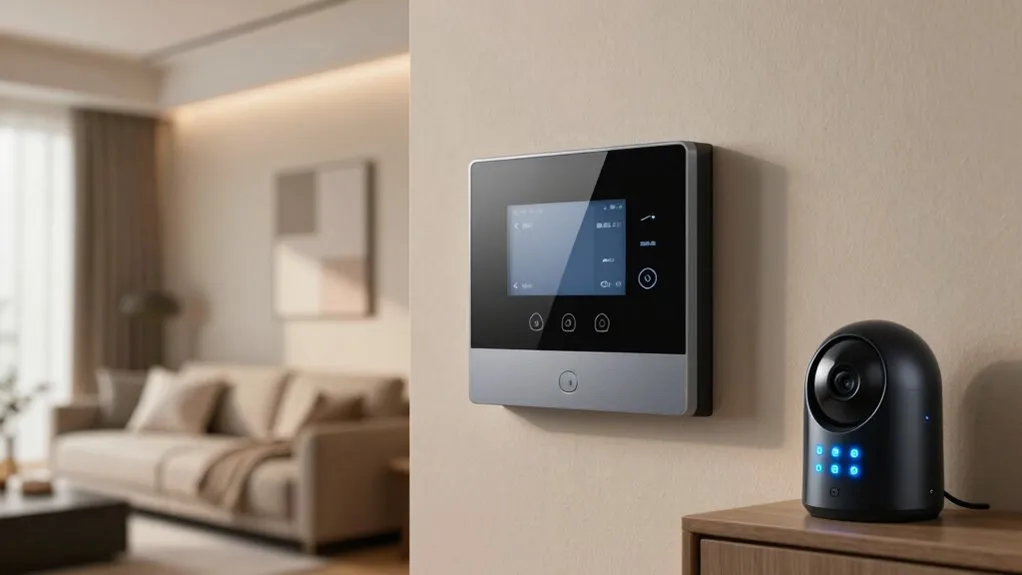
David stood on his front lawn holding a letter he had just received from his neighbor. The letter politely but firmly asked him to adjust the angle of his new doorbell camera because it was capturing a clear view directly into her kitchen window every single day.
He had installed the camera only a few weeks earlier after a package went missing from his porch. At the time he never once considered that improving his home security by pointing a camera toward the street might also mean pointing it toward someone else's private property without realizing it.
David felt embarrassed reading the letter but he also felt confused. He had assumed that owning a camera on his own property automatically meant he could point it wherever he wanted. That assumptio n turned out to be far more complicated than he expected once he actually looked into it.
A Neighbor's Letter That Changed Everything
David spent that evening searching online trying to understand what rules actually applied to cameras installed around private homes in Canada. He was surprised to discover how much confusion existed even among people who had owned cameras for years without ever running into a problem.
He learned that privacy expectations differ significantly depending on where a camera points rather than simply where it sits. A camera capturing only your own porch or driveway generally raises no concerns at all. The moment that same camera captures a neighbor's window or backyard the situation becomes far more sensitive.
This distinction had never crossed David's mind before. He had focused entirely on protecting his own porch without ever considering how the angle of his lens might affect the people living right next door to him every single day.
Provinces Handle Privacy Differently
David discovered that Canada does not have one single national law covering every camera in every backyard. Instead privacy expectations often blend federal guidance with provincial regulations and sometimes even municipal bylaws depending on where someone actually lives.
Some provinces lean more heavily on general privacy legislation originally written long before doorbell cameras existed at all. Courts and privacy commissioners have had to interpret these older laws to fit modern situations involving smart cameras recording constantly throughout each day and night.
He also learned that homeowners associations in certain communities add their own additional rules on top of provincial guidelines. A camera perfectly legal under provincial law might still violate a private agreement someone signed years earlier when purchasing their home within that specific community.
What Actually Counts as Reasonable Use
David reached out to a local privacy consultant recommended by a coworker who had dealt with a similar dispute the previous year. She explained that most disputes come down to one simple question. Would a reasonable person feel their privacy was being invaded by where that camera pointed.
She walked him through several real examples including doorbell cameras capturing neighboring windows and backyard cameras accidentally recording conversations happening on the other side of a shared fence. In nearly every case the resolution involved simply adjusting the angle rather than removing the camera entirely.
This conversation helped David understand something many homeowners never think about. Anyone researching security camera laws quickly discovers that the goal is rarely to stop people from protecting their homes but instead to balance that protection against a neighbor's reasonable expectation of privacy within their own space.

Audio Recording Adds Another Layer
David also learned that audio recording introduces additional legal complexity beyond simple video footage. Some provinces require consent from at least one party being recorded while conversations happen nearby. A camera capturing audio from a neighbor's yard without anyone knowing could create problems even if the video portion alone would have been perfectly acceptable.
Many modern doorbell cameras record audio automatically without homeowners ever realizing this feature was even turned on. David checked his own settings and discovered his camera had been capturing audio from the street the entire time without him ever adjusting anything after installation.
He disabled that feature immediately after learning how differently audio recording gets treated compared to video alone under provincial privacy rules. It was a small setting buried deep inside an app menu yet it carried real legal weight he had never considered before that evening.
Fixing the Situation With His Neighbor
David called his neighbor directly instead of simply replying with a letter of his own. She appreciated the gesture and explained she had felt uncomfortable for weeks before finally deciding to write to him about it. They walked outside together and adjusted the camera angle until both of them felt satisfied with the new position.
The entire situation resolved itself within a single afternoon once actual communication replaced quiet frustration on both sides. David realized how easily this could have escalated into something far more stressful involving formal complaints or even legal action if he had simply ignored her original letter.

He later mentioned the experience to a technician from United Security Systems who was helping him review his overall setup. The technician explained that this exact scenario happens constantly across Canada as more homeowners install cameras without fully understanding how placement affects the people living around them.
That conversation gave David a much clearer picture of how to approach any future camera additions around his property. He learned to think carefully about every angle before mounting anything permanently rather than adjusting things only after a complaint arrived at his door.
Moving Forward With Confidence
David now walks around his property every few months just to double check every camera angle the same way he originally should have done before installation. It takes only a few minutes but it saves him from ever facing another uncomfortable letter from someone living nearby.
He shares his story now with friends who mention wanting cameras of their own. He reminds them that protecting a home should never come at the cost of someone else's comfort or privacy within their own space. A little consideration during setup prevents most conflicts before they ever have a chance to begin.
What started as an awkward letter on his front lawn eventually taught David something far more valuable than he expected. Understanding the rules around cameras is not simply about avoiding legal trouble. It is about being a thoughtful neighbor while still keeping the home and family he cares about properly protected.





Sign in to leave a comment.