

Daniel had just finished renovating the basement suite of his house and he could hardly wait to list it for short term guests. He painted the walls a soft grey and bought fresh linens and placed a small plant on the kitchen counter. Every detail felt carefully chosen and he pictured travellers arriving with smiles and leaving five star reviews.
One evening his sister visited and asked a question that made him pause. She wanted to know whether he planned to put security cameras inside the suite to protect his furniture. Daniel had been thinking about a small camera in the living area and another near the entrance and he assumed nobody would mind since it was his property.
His sister raised an eyebrow and told him she would never book a place with a hidden camera inside. Daniel laughed nervously and promised she would never see one because he would tell every guest. But that night he lay awake wondering whether telling guests was actually enough and what the rules really were.
Where a Landlord and a Host Draw the Line
The next morning Daniel began reading everything he could find about cameras in rental spaces. He quickly learned that the situation was very different from protecting a private home with nobody else inside. A guest who pays to stay in a suite expects a level of privacy that follows them into every room they use.
He discovered that most hosting platforms have their own rules about cameras and that those rules can be stricter than the law itself. Some platforms ban indoor cameras completely while others allow them only in shared areas with clear disclosure. Breaking a platform rule can lead to a suspended listing even if no law has been broken.
Daniel felt a bit foolish for assuming that ownership of a building gave him unlimited freedom. He realized that the moment another person sleeps and dresses and lives in a space the expectations change. The question was no longer what he wanted to record but what a reasonable guest would feel comfortable with.
Private Rooms Are Off Limits
Every source Daniel read agreed on one point that felt impossible to argue with. Cameras never belong in bedrooms or bathrooms or any place where a person changes clothes or sleeps. Recording in those spaces can lead to serious criminal consequences and it destroys the trust that a hosting business depends on completely.
He also learned that a hidden camera is treated very differently from one that a guest can see and knows about. Secret recording raises the seriousness of any complaint and it can turn a simple misunderstanding into a police matter. Daniel decided right away that nothing in his suite would ever be concealed inside a smoke alarm or a clock or a book.
That decision made him feel lighter. He no longer had to weigh clever hiding places against the risk of being caught. His attention could shift to honest and visible cameras that protected the outside of the property and left the inside of the suite completely alone.
Learning How Canadian Rules Fit Together
As Daniel dug deeper he noticed that the country does not rely on one single rulebook for cameras. Federal privacy principles sit alongside provincial privacy laws and local bylaws and the rules of the hosting platform itself. Sorting through all of these layers felt like assembling furniture without instructions until he began writing notes.
Halfway through his research he ran into the phrase security camera laws canada on almost every page and realized how many people were asking the same question he was. Most articles explained that businesses and individuals should collect only what they truly need and should tell people when they are being recorded. That simple idea became the guide for every choice he made afterward.

He also read about audio recording and how it is treated more strictly than video in many situations. Capturing conversations between people who do not know they are being recorded can create legal trouble even when the video alone would be acceptable. Daniel switched off the audio feature on every device he planned to use and felt relieved to have removed that risk.
Signs and Honest Disclosure
Daniel learned that telling guests about cameras in writing is one of the easiest ways to stay on the right side of expectations. He added a clear line to his listing that named exactly where cameras were placed and what they could see. He also printed a small sign for the front door so that nobody would be surprised.
He thought about how he would feel as a traveller reading that listing. A guest who knows about an outdoor camera watching the driveway feels safer rather than watched. A guest who discovers a camera on their own after checking in feels tricked and might never trust a host again.
Daniel rewrote the listing three times until the language sounded warm and plain. He avoided legal sounding phrases and simply explained that one camera covered the front walkway and another covered the shared driveway. Both were pointed away from every window and door of the suite.
Putting the Plan Into Practice

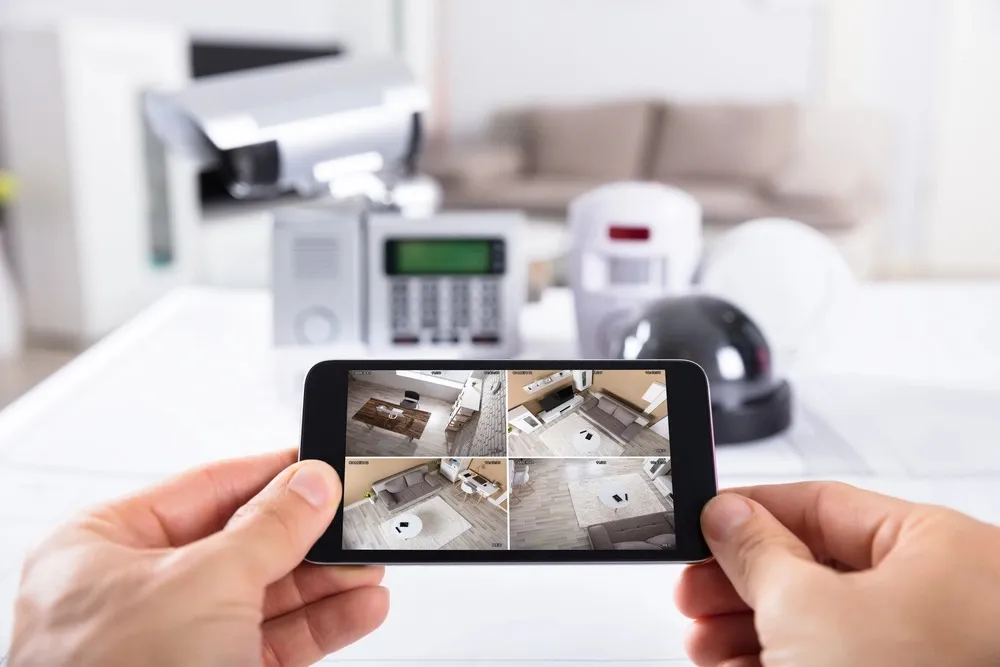
With his rules settled Daniel had to decide where the cameras would actually go. He walked around the house at different times of day and noticed how a single lens could catch a neighbour's yard or a passing pedestrian if he was careless. Small angle adjustments made a big difference and he tested each one by looking at the live image on his phone.
He kept the coverage narrow and focused on his own walkway and driveway. He asked himself whether each view was truly needed and removed anything that felt like an extra. The result was a setup that protected the property without watching anyone who had no reason to be watched.
His sister came back a few weeks later and inspected the whole arrangement like a strict guest. She read the listing and checked the angles and finally nodded with approval. Daniel felt a small thrill of pride because he had earned the trust of the toughest critic he knew.
When a friend asked how he had learned so much so quickly Daniel explained that a specialist from United Security Systems had reviewed his plan and helped him choose equipment and angles that respected both his property and his guests. That advice saved him from several mistakes he would never have spotted alone. He passed the same tip to two other hosts he knew.
His first guests arrived in early spring and stayed for four nights. One of them left a note in the guest book saying she felt safe and respected the entire time. Daniel read it twice and felt every hour of research had been worth it.
He now treats privacy as part of the hospitality he offers rather than a rule that limits it. A good host protects the property and protects the people who trust it and the two goals rarely conflict when honesty leads the way. Daniel believes that every homeowner who welcomes guests should ask the same question he once asked in the dark of a sleepless night.




















Sign in to leave a comment.