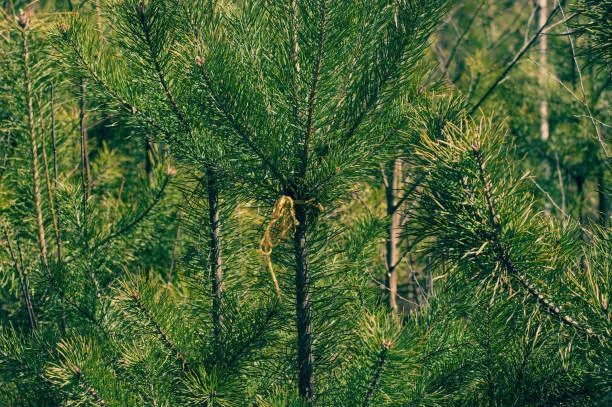

Seiridium canker, commonly associated with cypress canker or cypress decline, is a serious fungal disease affecting cypress and other conifer species. It can cause branch dieback, discoloured foliage, cankers, resin or sap exudation and, in severe cases, the death of an entire tree.
For Australian property owners, early identification and professional tree management are important. In Victoria, Agriculture Victoria describes cypress decline as a significant disease affecting exotic conifers and notes that there is currently no proven cure. However, early management, careful pruning, good tree health and appropriate hygiene can help reduce disease spread and protect less-affected trees.
What Is Seiridium Canker?
Seiridium canker is a fungal disease caused by species of the Seiridium genus. In Victoria, three species—Seiridium cardinale, S. cupressi and S. unicorne—have been associated with cypress canker symptoms.
The fungi can enter trees through natural bark fissures or wounds caused by pruning, storms, insects, animals or mechanical damage. Once established, the infection can damage the tree's vascular tissues, restricting the movement of water and nutrients through affected branches.
The disease can spread through wind, rain splash, insects, contaminated pruning equipment and infected plant material. Warm, humid conditions and environmental stress such as drought or waterlogging can also increase the risk of tree decline.
How to Identify Seiridium Canker
Early diagnosis is one of the most important steps in managing an infected cypress tree. Common symptoms include:
- Sudden browning or yellowing of individual branches
- Branch or twig dieback
- Sunken, elongated or lens-shaped cankers
- Cracked or discoloured bark
- Resin or sap leaking around infected areas
- Small black fungal structures on cankers
- Progressive dieback moving through the canopy
- Decline affecting individual trees within a row
A branch can sometimes change from healthy-looking foliage to severe browning relatively quickly because the canker interferes with the tree's vascular system.
However, not every case of cypress dieback is caused by Seiridium. Other fungal pathogens and environmental stresses can produce similar symptoms. Professional diagnosis is therefore recommended before deciding on a treatment strategy.
Can Seiridium Canker Be Cured?
There is currently no proven cure for Seiridium canker.
This is an important distinction when discussing treatment. Management generally focuses on removing infection sources, reducing stress on the tree and preventing the disease from spreading to healthy branches or nearby trees.
Agriculture Victoria also states that there are currently no fungicides registered for the control of cypress canker in Victoria. Therefore, property owners should be cautious about products or services that guarantee a complete cure.
Seiridium Canker Treatment Options
1. Prune Infected Branches
When infection is limited to individual branches, selective pruning may help remove diseased tissue before the infection progresses further.
Agriculture Victoria recommends pruning infected branches at least 10 cm below the canker. Care should be taken not to remove excessive healthy growth, as unnecessary wounds can create additional opportunities for infection.
Pruning should preferably be carried out during dry conditions or at appropriate times when the risk of spore infection is lower.
Because infected material can carry fungal spores, removed branches should be handled and disposed of carefully rather than being left beneath the tree.
2. Sterilise Pruning Equipment
Good hygiene is essential when treating trees affected by Seiridium canker.
Pruning tools can transfer fungal spores from an infected branch to a healthy branch or another tree. Tools should therefore be thoroughly cleaned and sterilised before and after working on infected trees.
If several cypress trees are being maintained, avoid moving directly from a diseased tree to a healthy one without cleaning equipment.
3. Remove Severely Diseased Trees
Pruning may not be practical when a tree has extensive cankering throughout its branches, trunk or main stems.
For severely affected trees, removal may be the most appropriate long-term management option, particularly where there is a risk of falling branches or disease spreading to nearby susceptible cypress trees.
Agriculture Victoria recommends removing and destroying severely diseased plants to reduce the risk of infection spreading to neighbouring trees.
4. Improve Overall Tree Health
Healthy trees are generally better equipped to respond to environmental stresses and disease pressure.
Good tree management can include:
- Providing adequate water during prolonged dry periods
- Avoiding waterlogging
- Reducing soil compaction
- Maintaining suitable soil conditions
- Avoiding unnecessary trunk and branch injuries
- Providing adequate growing space
- Avoiding excessive or inappropriate fertilisation
- Monitoring trees regularly for early symptoms
Environmental stress is an important consideration because drought, waterlogging, poor soil conditions and other stresses can weaken cypress trees and increase their susceptibility to disease.
5. Prevent the Spread to Nearby Trees
If one cypress tree develops Seiridium canker, nearby susceptible trees should be inspected regularly.
Avoid unnecessary pruning during wet or humid conditions, limit overhead irrigation where practical and keep infected plant material away from healthy trees.
Do not transport infected branches or plant material around a property unnecessarily. Good sanitation during pruning, tree removal and transport can help reduce opportunities for fungal spores to spread.
When Should You Call an Arborist?
Professional assessment is recommended when you notice:
- Rapid branch dieback
- Multiple dead branches
- Resin around cracks or cankers
- Cankers on major limbs or the trunk
- Several cypress trees showing similar symptoms
- A large or mature tree showing progressive decline
- Potentially dangerous dead or structurally compromised branches
An arborist can assess the tree's health, structural condition and extent of disease before recommending whether pruning, ongoing monitoring or removal is appropriate.
Early intervention can be particularly valuable when symptoms are limited to a small number of branches.
Can an Infected Cypress Tree Be Saved?
Sometimes, depending on the severity and location of the infection.
A tree with limited branch infection may be managed through selective pruning, improved growing conditions and strict sanitation. However, extensive infection involving major stems or the trunk can significantly reduce the likelihood of long-term recovery.
There is no single Seiridium canker treatment that works for every tree. The appropriate approach depends on the tree species, disease severity, location of the cankers, environmental conditions and overall tree health.
How to Prevent Seiridium Canker
Prevention starts with maintaining healthy, appropriately sited trees.
When planting new cypress trees, consider species or varieties with better tolerance to local disease conditions. Avoid damaging trunks and branches, provide appropriate irrigation and monitor established trees for early symptoms.
Where cypress decline has become widespread, replacing highly susceptible trees with more tolerant cypress varieties or unrelated species may provide a more sustainable long-term solution. Agriculture Victoria specifically recommends considering tolerant varieties or suitable Australian native species in significantly affected situations.
Final Thoughts
Seiridium canker can be difficult to manage, but early action can help protect affected trees and reduce the risk of disease spreading. Pruning infected branches, sterilising tools, removing severely diseased material and maintaining good tree health are important components of disease management.
Because there is currently no proven cure or registered fungicide for cypress canker in Victoria, avoid relying on guaranteed treatment claims. Instead, have suspected infections assessed by a qualified arborist or plant health professional.
For severe or widespread infections, professional advice can help determine whether the tree can reasonably be retained or whether removal and replacement with a more suitable species is the safer long-term option.
Frequently Asked Questions
What is the best treatment for Seiridium canker?
There is no proven cure. Where infection is limited, management may involve pruning affected branches at least 10 cm below the canker, maintaining tree health and following strict sanitation practices.
Can Seiridium canker be treated with fungicide?
Agriculture Victoria states that there are currently no fungicides registered for controlling cypress canker in Victoria.
Can a cypress tree recover from Seiridium canker?
A tree with limited infection may be managed successfully for some time, but recovery depends on the extent and location of the disease. Severely affected trees may need to be removed.
How does Seiridium canker spread?
Spores can spread through wind, rain and water splash, insects, infected plant material and contaminated pruning equipment.
Should I remove a tree with Seiridium canker?
Not necessarily. If the infection is limited, pruning and ongoing management may be possible. Extensive disease, particularly involving major stems or the trunk, may make removal the more appropriate option.



























Sign in to leave a comment.