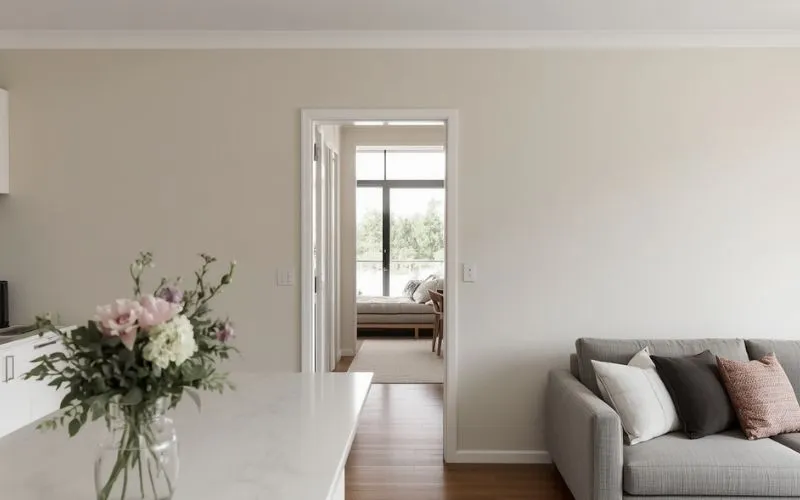

Some Mackay homes sell fully styled from the front door to the back fence. Others sell just as fast with three rooms styled and the rest left untouched. The difference often comes down to one decision sellers get wrong.
Styling every room costs more time and money, but styling too little can leave a home looking patchy or unfinished to buyers. Knowing which rooms actually influence a sale, and which ones buyers barely notice, decides whether a seller gets a strong return or overspends on rooms that were never going to change a buyer's mind.
This blog covers how selective styling and whole-home styling compare in Mackay, and which one actually gets a faster sale.
Key points:
- Selective styling focuses spend on the rooms buyers judge fastest
- Whole-home styling suits larger, higher-value or vacant properties
- Not every room carries the same weight in a buyer's decision
- Styling scope affects both cost and how quickly a home sells
- The right scope depends on the property, not a fixed rule
What Is the Real Difference Between Selective and Whole-Home Styling?
Exactly, the difference is scope, not quality. Selective styling focuses on a handful of key rooms, usually the ones buyers see first or spend the most time in. Whole-home styling covers every room, including bedrooms, hallways and secondary living spaces that buyers walk through more quickly.
Both approaches aim for the same result, a home that photographs and presents well, but they get there by spending the budget in different places.
Does Selective Styling Work for Every Room?
No, it works best on rooms that shape a buyer's first impression. Partial property styling usually covers the living room, kitchen and main bedroom, since these are the spaces buyers linger in and judge most closely during an inspection.
Rooms like a laundry, study or spare bedroom rarely need full styling, since buyers pass through them quickly and focus less on decor than function. Spending styling budget here often adds cost without adding much buyer impact.
Why Do Some Sellers Choose Whole-Home Styling Instead?
Sometimes, particularly for larger or vacant properties. A completely empty home can feel cold and hard to judge room by room, so styling every space helps buyers understand scale and flow through the whole property, not just the main areas.
Whole-home styling also suits higher-value properties, where buyers expect a consistently presented home throughout, and an unstyled room can stand out as a flaw rather than a neutral space.
Which Rooms Give the Best Return When Styling Is Limited?
| Room | Buyer Impact | Styling Priority |
| Living room | High, sets first impression | Style first |
| Kitchen | High, closely inspected | Style first |
| Main bedroom | Moderate to high | Style if budget allows |
| Bathroom | Moderate | Style if budget allows |
| Spare bedroom | Low | Style last, if at all |
| Laundry | Low | Rarely needs styling |
This table reflects a general pattern, not a fixed rule. A property's layout and price point can shift where a buyer's attention actually lands.
Does Styling Scope Affect How Fast a Home Sells?
Yes, though not always in the direction sellers expect. A home with a few well-styled key rooms can sell just as fast as a fully styled one, since buyers form their overall impression early and carry it through the rest of the walkthrough.
Where scope matters more is consistency. A home with one beautifully styled room next to several cluttered or bare ones can undercut buyer confidence, even if the styled room looks excellent on its own. The goal is a consistent impression, not necessarily full coverage.
How Does a Seller Decide Between the Two Approaches?
Exactly, the decision usually comes down to three factors: budget, property size and whether the home is vacant or lived in. A smaller, occupied home with strong existing furniture often suits selective styling, since the seller's own pieces can carry the secondary rooms.
A larger or vacant property, on the other hand, often needs property staging in Mackay buyers can walk through room by room without any space feeling incomplete, since empty or mismatched rooms are harder to ignore in a bigger home.
Selective Styling vs. Whole-Home Styling: Which Approach Should a Mackay Seller Choose?
A seller with a modest budget and a well-presented home already in place gains more from selective styling, focused on the rooms buyers judge first and hardest. A seller with a larger, vacant or higher-value property gains more from whole-home styling, since consistency across every room protects the overall impression buyers walk away with.
There is no single right answer for every property, only the right answer for a specific home, budget and buyer market. Matching the styling scope to what the property actually needs, rather than styling everything by default or cutting corners everywhere, is what decides whether the investment pays off.















Sign in to leave a comment.