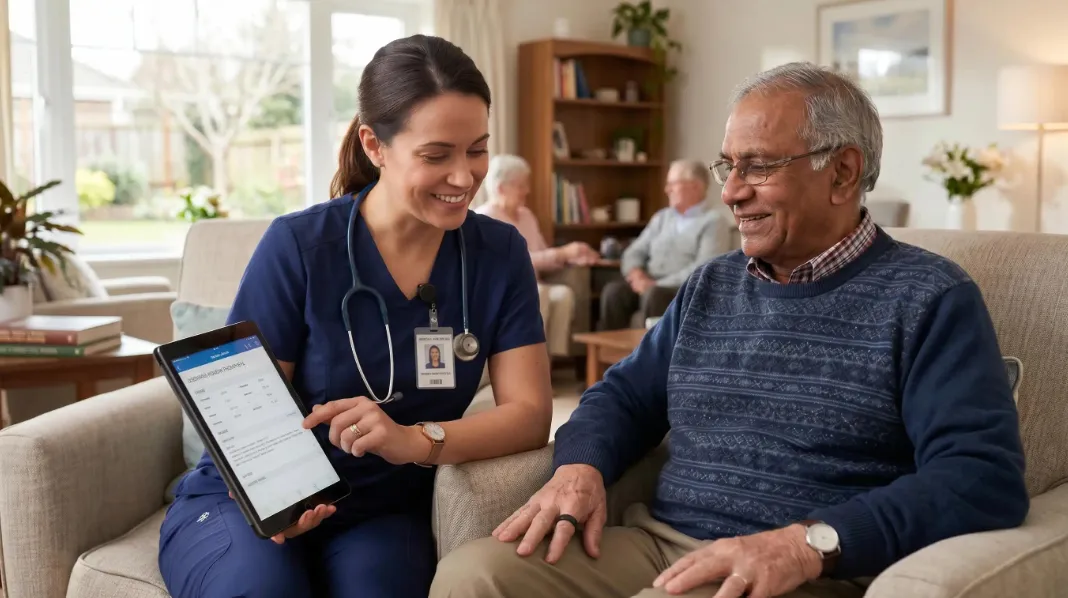

Senior living communities must protect residents while preserving dignity, choice, and as much independence as possible. That balance is difficult when medication records, care plans, incident reports, appointments, and family updates are scattered across paper files or disconnected applications. Well-designed senior living software can bring these activities together, giving caregivers timely information without turning daily life into constant surveillance.
A Unified Resident Record
A resident’s needs may involve chronic conditions, allergies, mobility limitations, dietary requirements, cognitive changes, medications, physician instructions, and personal preferences. When this information is stored in separate places, staff may miss an update or rely on an outdated document.
Digital resident records create a shared source of information for authorized employees. Integration with electronic health records can add diagnoses, laboratory results, medication history, and care transitions from outside providers. The system should clearly show when information was updated, where it came from, and who is responsible for follow-up.
Safer Medication Administration
Medication management is one of the highest-risk workflows in senior care. Residents may take multiple drugs at different times, and orders can change after physician visits or hospital discharges. Electronic medication administration records can display the medication, dose, route, schedule, and special instructions for each resident.
Senior Living Software In Healthcare can notify staff when a dose is due, document administration, and flag missed or delayed medications. It may also connect with pharmacies and prescribers to reduce manual transcription. Alerts should be configured carefully so important warnings stand out instead of being lost among low-value notifications.
Personalized Care Plans That Support Independence
Standardized processes improve consistency, but every resident has different abilities, routines, and goals. A digital care plan can combine clinical requirements with personal preferences, such as preferred wake times, activities, meals, communication styles, and the level of assistance needed for daily tasks.
Caregivers can record observations and completed activities, helping the team recognize changes over time. If a resident begins needing more assistance, experiences repeated falls, or shows changes in appetite or behavior, the system can prompt reassessment. Technology supports independence when it helps staff provide the right level of assistance—not automatically the maximum level.
Connected Devices for Proactive Support
Remote monitoring devices and sensors can help communities identify risks without requiring continuous in-person observation. Depending on the care setting and resident consent, connected tools may capture vital signs, movement patterns, emergency calls, or environmental conditions.
Effective Senior Living Software Solutions should present meaningful exceptions rather than streams of raw data. A reading outside a defined threshold may create a task for a nurse, while a possible fall may trigger an immediate response. Communities need policies covering device accuracy, escalation, downtime, consent, and the possibility of false alerts.
Meaningful Family Involvement
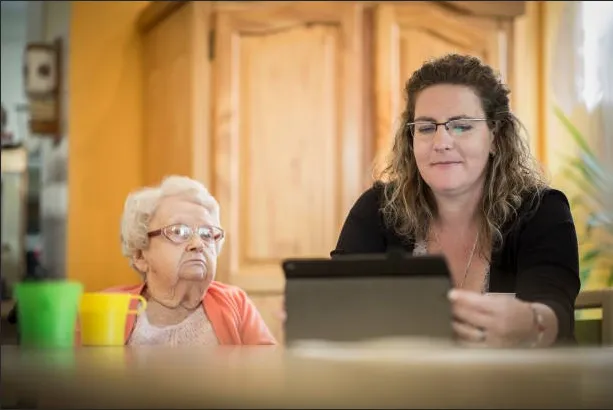
Families often want reassurance, but frequent phone calls can add administrative pressure. Secure family portals can provide approved updates, care-plan information, appointments, activity calendars, invoices, and messages. Access permissions should reflect the resident’s preferences and legal authorizations.
Digital communication should supplement—not replace—thoughtful conversations. Complex clinical changes, incidents, or emotionally sensitive decisions may still require direct contact. Clear expectations about which updates appear in the portal and how quickly messages receive a response can prevent confusion.
Essential Privacy and Security Safeguards
Resident information requires strong authentication, role-based access, encryption, audit logs, backups, and incident-response procedures. Staff training is equally important because security depends on daily behavior. Communities should also evaluate accessibility, ensuring interfaces are readable and usable for employees, residents, and family members with different abilities.
Conclusion
The best custom senior living software solutions are designed around real care workflows and resident rights. They make essential information easier to find, improve accountability, and support early intervention while respecting privacy and personal choice. When technology remains a tool for human-centered care, senior living software can strengthen safety without diminishing independence.
























Sign in to leave a comment.