

If your cheeks turn pink the second you step into a warm room, or your skincare cupboard is full of products that promised to soothe and somehow stung, you know how tricky sensitive skin can be. Every new serum feels like a gamble. Every beauty trend seems designed for people whose skin never complains. It's tiring, and it often leaves people stuck with a bare-bones routine because they're afraid of making things worse. The encouraging news is that gentler options now exist. Professional dermalux led phototherapy has become a popular choice for people who want to support their skin without chemicals, heat or abrasion. Here's why it suits reactive complexions, and how to approach it sensibly.
What Makes Skin Sensitive in the First Place?
Sensitive skin isn't a single condition; it's more of a description. Some people are born with thinner or more reactive skin, while others develop sensitivity because their skin barrier has been weakened. That barrier is the outer layer that keeps moisture in and irritants out. When it's compromised, skin can sting, feel tight, flush easily and react unpredictably to products that would be fine for someone else.
A lot of everyday habits can chip away at the barrier. Over-exfoliating, using harsh cleansers, layering too many active ingredients, hot showers and exposure to wind, pollution and sun all play a part. Stress and lack of sleep don't help either. Many people only realise they've overdone things when their skin starts burning at the touch of a moisturiser they've used for years.
If you also experience persistent redness, visible small blood vessels, burning or flare-ups, it's worth speaking to your GP or a dermatologist, because conditions such as rosacea or eczema need proper medical guidance. Salon treatments aren't a replacement for that care. But for general sensitivity and redness-prone skin, supportive treatments that avoid further irritation can be a very useful addition to your routine.
How Light Supports Calmer-Looking Skin
Light therapy works differently from most skin treatments. Rather than removing layers or introducing active ingredients, it uses specific wavelengths of light that skin cells can absorb. Red light is commonly associated with calming inflammation and supporting the skin's natural repair processes, while near-infrared light reaches a little deeper and is often linked with comfort and recovery. Together, these wavelengths may help skin feel more settled and look less angry.
Because there's no heat damage, no peeling and no downtime, the experience is typically very comfortable. You lie back, wear protective eyewear and let the device do its work. Most people notice nothing more than a gentle warmth, if that. That makes it particularly appealing for people who have been put off by treatments that leave them red and flaky for days.
Results tend to be gradual. Some clients feel their skin looks calmer and more even after a few sessions, with improved tone and a more comfortable feel. Others see subtle changes that build over a course of treatments. It's important to remember that light therapy supports skin; it doesn't override underlying triggers. If your redness is caused by something like heat, alcohol, spicy food or a particular product, you'll still need to manage those factors as well.
Making It Work for Reactive Skin
Start with an honest consultation. Tell your therapist about your skin's history, what triggers flare-ups, any diagnosed conditions and the products or medications you use. Some medicines and skincare ingredients can make skin more sensitive to light, so this information helps them decide whether treatment is suitable and which settings to choose. A patch of reassurance goes a long way here: a good therapist will never rush you.
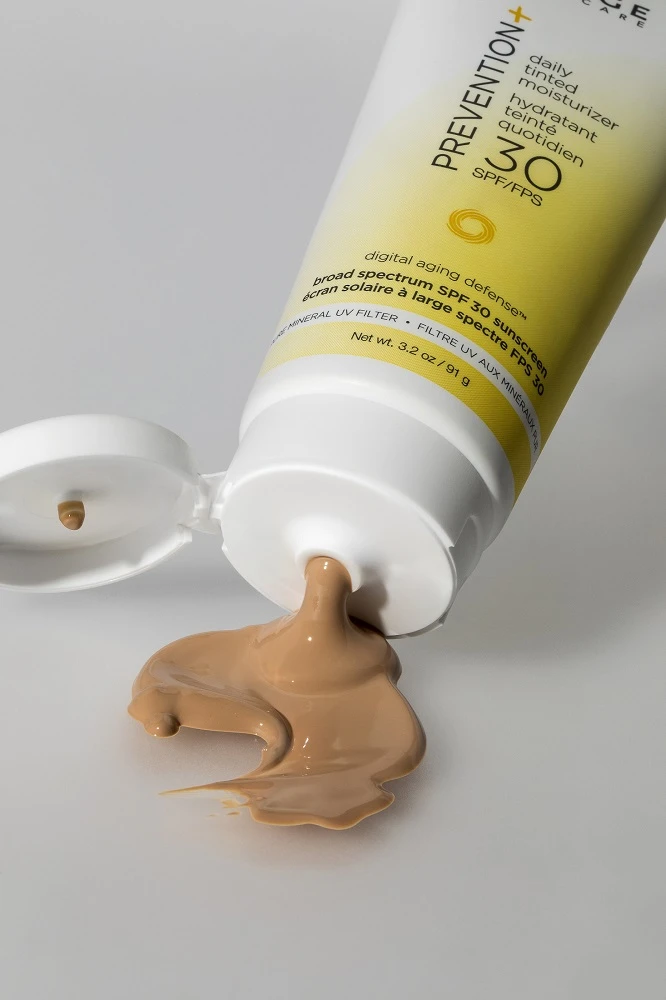
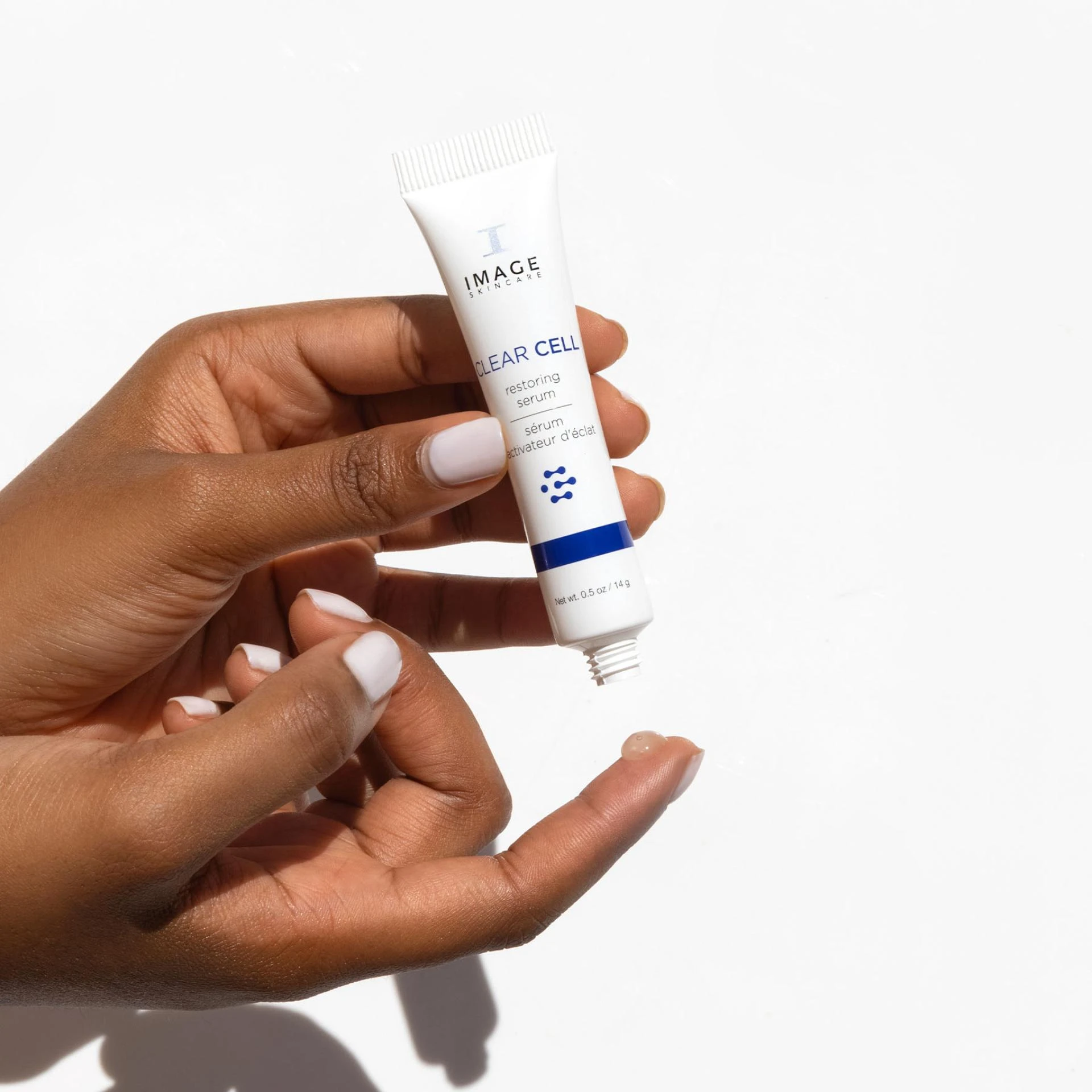
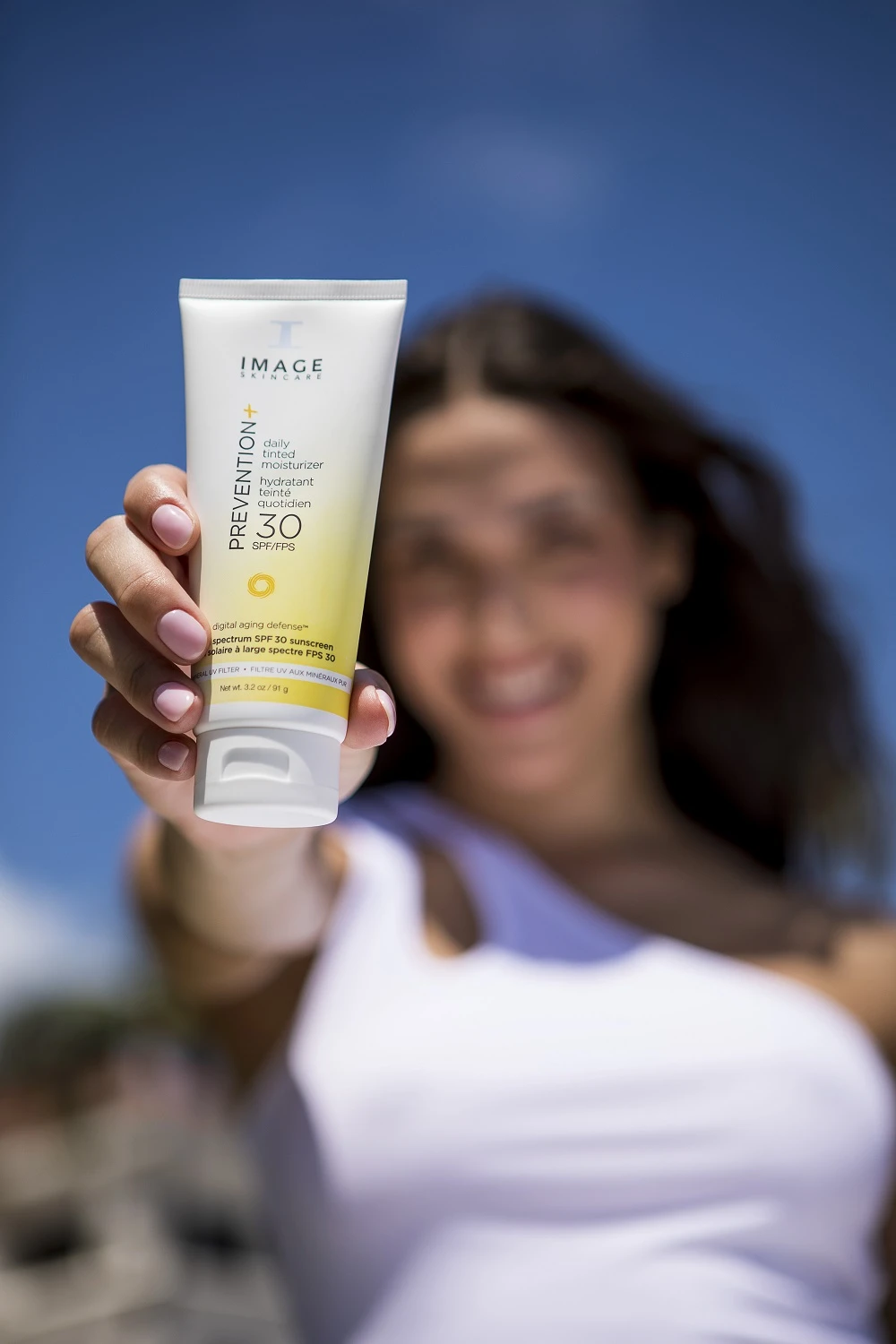
At home, simplicity is your friend. Use a gentle, fragrance-free cleanser, a moisturiser that supports the barrier, and a mineral sunscreen if chemical filters tend to bother you. Introduce new products slowly, one at a time, and give each a few weeks before judging it. Avoid very hot water on the face, and pat skin dry instead of rubbing.
It also helps to track your skin. Notice what happens after certain foods, weather changes or stressful days. Over time, patterns emerge, and you can adjust your habits accordingly. Pair that awareness with regular professional treatments, and you're building a calmer, more predictable relationship with your skin. Keep your expectations realistic, be patient, and celebrate small wins like a more comfortable morning or a lighter flush after a walk in the cold.
Conclusion
Sensitive skin needs patience, simplicity and kindness, and gentle light therapy fits that approach beautifully. By supporting the skin's natural recovery without heat, abrasion or harsh actives, it can help reactive complexions feel calmer and look more balanced over time. Be open with your therapist, keep your routine minimal and see a doctor if redness is persistent or painful. With the right care, even touchy skin can feel comfortable again.










Sign in to leave a comment.