Sharpz: What to Know About Choosing a Brain Health Supplement

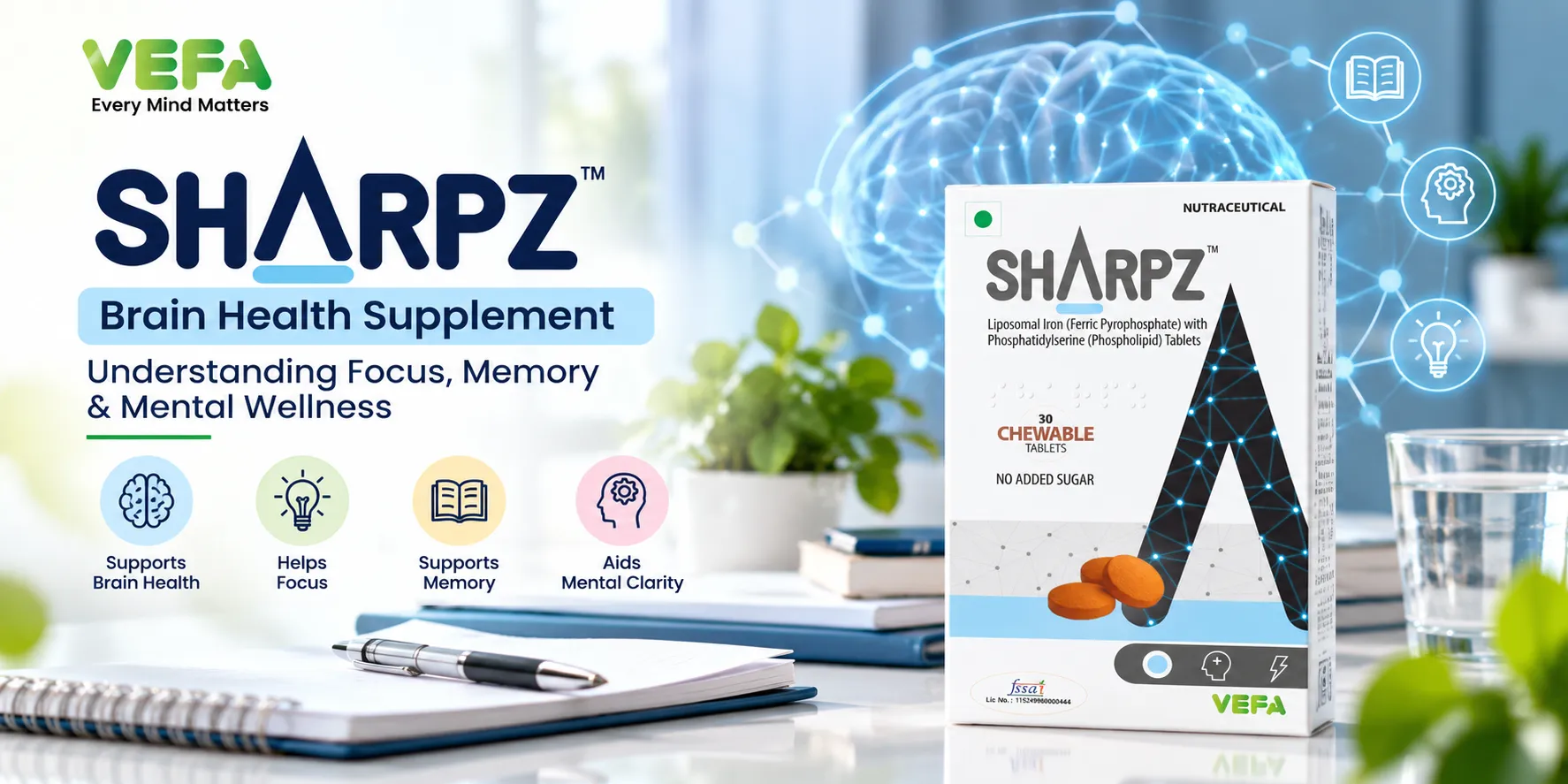
With growing interest in memory, focus and everyday mental performance, many people are exploring nutrition products that support a healthy lifestyle. A brain health supplement can be one part of that conversation, but choosing one should involve more than reading a product name or a list of impressive-sounding claims. Ingredients, formulation, intended use and individual nutritional needs all matter. Sharpz is positioned in this category, making it useful to understand what consumers should actually look for when evaluating a cognitive-support supplement and how realistic expectations can lead to better decisions.
Understanding What Brain-Focused Supplements Actually Offer
Start with ingredients, not promises
The term “brain health” covers a broad area. Nutrients and compounds may have roles in normal brain function, but that does not automatically mean a supplement will produce dramatic improvements in memory or concentration.
For example, phospholipids such as phosphatidylserine are naturally present in cell membranes, including those of brain cells. Iron also has important physiological roles because it contributes to normal oxygen transport and other cellular processes. The important point is that a supplement should be judged by its actual formulation rather than by broad marketing language.
The National Institutes of Health notes that nutritional supplements should be considered in the context of overall dietary intake and that evidence can vary depending on the ingredient, dose and health outcome being studied. Office of Dietary Supplements
Why formulation and dosage matter
Two products can both be promoted for focus or memory while containing very different ingredients and quantities. A careful comparison should therefore include:
- active ingredients and their amounts
- serving size and directions
- added ingredients, flavours or sweeteners
- intended age group
- storage requirements
- manufacturer information and quality practices
In health-content reviews, one recurring issue is that consumers often compare products by headline claims instead of comparing the nutritional label. Reading the full label gives a much more useful picture of what a product actually provides.
How to Evaluate Sharpz Benefits More Objectively
Look at the purpose of each ingredient
When researching Sharpz benefits, it helps to separate an ingredient’s established nutritional role from claims about a finished product.
Vefa Life describes Sharpz as a formulation containing elemental iron and phosphatidylserine, with a focus on areas such as brain function, attention, memory and mental clarity. Vefa Lifesciences Those descriptions provide a starting point, but consumers should still look at the complete product information before deciding whether it fits their needs.
A useful approach is to ask three questions: What does the ingredient do? What amount is provided? Is there good evidence for the specific outcome being discussed? This prevents a common mistake in supplement research—assuming that evidence for an individual ingredient automatically proves the same level of benefit for every product containing it.
Avoid unrealistic expectations
A supplement should not be treated as a replacement for sleep, nutritious food, exercise or professional medical care. Attention and memory can be influenced by many factors, including stress, sleep quality, diet and lifestyle.
The evidence around cognitive supplements is also not universally positive. For example, NIH reviews note that research on omega-3 supplementation and cognitive outcomes has produced mixed findings, showing why consumers should be cautious about turning nutritional research into guaranteed results. Office of Dietary Supplements
For people who want to buy Sharpz, reviewing the official product information first is more sensible than relying only on marketplace descriptions or social-media recommendations. Vefa Life provides information about the product's formulation and intended benefits.
Making a Smarter Supplement Choice
Consider the bigger picture
The right question is not simply whether a supplement sounds useful. It is whether it fits the person's nutritional needs and lifestyle.
Before adding any product, consider:
- whether the diet already provides the relevant nutrients
- whether the product is appropriate for the intended age group
- whether the serving instructions are clear
- whether any existing medicines or health conditions could affect suitability
- whether expectations are realistic
For parents, this becomes particularly important. Children and teenagers have different nutritional requirements from adults, so product suitability and serving guidance deserve close attention.
Quality information matters as much as the product
Google Search Central emphasizes that health-related content should demonstrate strong trust, accuracy and expertise because these topics can affect people's wellbeing. It also recommends creating helpful, original information for people rather than content written primarily to manipulate search rankings. Google for Developers
That principle is useful for consumers too. Look for transparent ingredient information, clear directions and credible sources. Be cautious with content that promises instant improvements or presents a supplement as a cure for a health condition.
Practical Takeaway
Choosing a cognitive-support supplement should be a thoughtful process rather than an impulse purchase. Examine the ingredients, serving information, intended use and evidence behind the claims. Sharpz may be an option to research for people exploring nutritional support for areas such as focus and brain health, but no supplement should be viewed as a shortcut to better overall wellbeing. Start with the label, consider the bigger lifestyle picture, and use credible health information before making a decision.





Sign in to leave a comment.