Shingle Roofing: A Practical Guide to Durable and Attractive Roof Protection

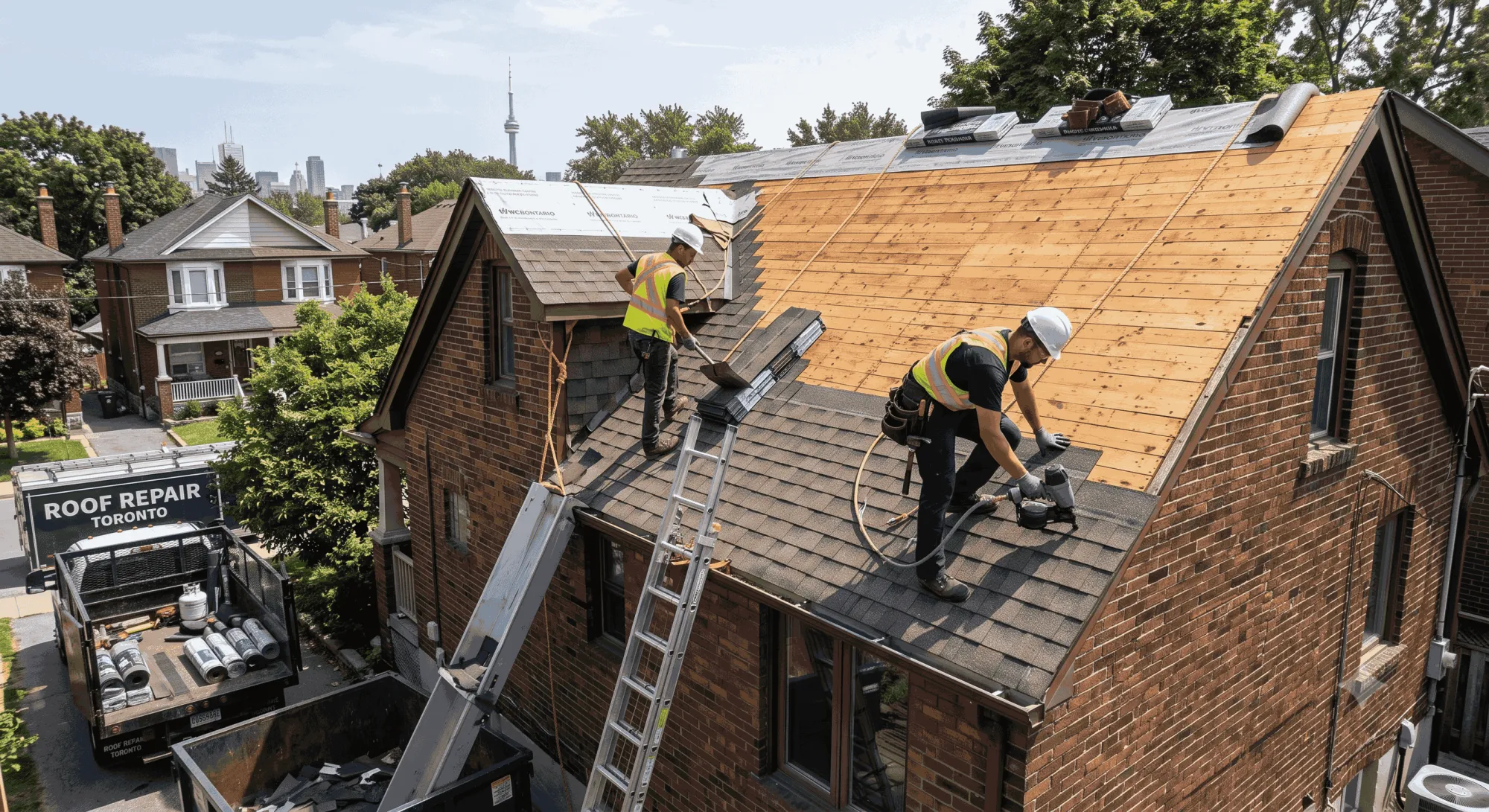
Choosing the right roofing material is an important decision for any homeowner. A well-designed roof protects the property from rain, wind, and changing temperatures while contributing to its overall appearance and value. Shingle roofing remains a popular option for residential properties because it offers versatility, a variety of styles, and practical protection when installed correctly.
Whether you are building a new home, repairing an aging roof, or considering a complete replacement, understanding shingle roofing can help you make an informed decision and protect your investment for years to come.
Why Shingle Roofing Is a Popular Choice
Shingles are individual roofing pieces installed in overlapping layers to help shed water away from the roof structure. Asphalt shingles are especially common in residential construction because they are available in numerous colors, designs, and price ranges.
One major advantage of shingles is their versatility. They can complement traditional houses, modern homes, and many other architectural styles. Homeowners can choose from different colors and textures to create a roof that matches their property's exterior.
Shingle roofing can also offer practical value. Depending on the product, installation quality, climate, and maintenance, a shingle roof can provide dependable weather protection for many years. Individual damaged shingles can often be replaced without removing the entire roofing system, provided the surrounding materials remain in suitable condition.
Working with experienced roofing professionals helps ensure that the selected materials are appropriate for the building and installed according to manufacturer recommendations.
Different Types of Roofing Shingles
Understanding the available shingle options makes it easier to select a roofing system that fits your property's design and budget.
Asphalt Shingles: Asphalt shingles are widely used because they are available in different styles and generally offer an accessible initial cost. They are suitable for many residential roofs and can provide reliable protection when installed and maintained correctly.
Architectural Shingles: These shingles typically feature a thicker, layered appearance than traditional three-tab asphalt shingles. They can provide greater visual depth and may offer improved durability, depending on the product specifications.
Luxury Shingles: Designed to create a distinctive appearance, luxury asphalt shingles may imitate the look of natural slate or other premium roofing materials. They often cost more than standard options.
Wood Shingles: Wood shingles provide a natural appearance and can complement certain architectural designs. However, they require suitable maintenance and may be subject to local fire-safety or building restrictions.
Each material has different performance characteristics, installation requirements, and maintenance needs. A qualified contractor can help you compare options based on your location, climate, roof design, and long-term expectations.
Common Shingle Roofing Problems
Although shingles are designed to withstand outdoor conditions, exposure to wind, rain, sunlight, and temperature changes can gradually affect their performance.
Missing or loose shingles may expose the underlying roofing layers to moisture. Cracked or curled shingles can also reduce the roof's ability to shed water effectively.
Granule loss is another issue that may occur as asphalt shingles age. Excessive granule accumulation in gutters can sometimes indicate deterioration, although some granule loss is normal, particularly with newer shingles.
Damaged flashing around chimneys, vents, skylights, and roof valleys can allow water to enter even when the shingles appear to be in good condition. For this reason, a thorough roof inspection should examine more than just the visible shingle surface.
If you notice water stains on ceilings, damp attic insulation, or missing roofing materials after a storm, arrange a professional assessment. Addressing damage early can help prevent more extensive repairs.
The Importance of Professional Shingle Roof Installation
Proper installation plays a major role in the performance and lifespan of a shingle roof. Even high-quality materials can fail prematurely if they are installed incorrectly.
Professional installers evaluate the roof structure, prepare the underlying surface, and use appropriate underlayment, flashing, fastening methods, and ventilation. These components work together to protect the building from water infiltration and help the roofing system perform as intended.
Incorrect shingle placement, unsuitable fasteners, or poorly installed flashing can create weak points where water may penetrate. Inadequate attic ventilation may also contribute to moisture-related problems and affect roof performance.
When selecting a contractor, review their experience with shingle roofing projects, verify suitable insurance and applicable licensing, and request a detailed written estimate. The estimate should identify the materials, labor, project timeline, and warranty coverage.
Choosing a contractor based on workmanship and the quality of the proposed installation can provide better long-term value than focusing exclusively on the lowest price.
Shingle Roof Repair or Replacement?
Homeowners often need to decide whether repairing damaged shingles is sufficient or whether replacing the entire roof would be more practical.
Localized repairs may be appropriate when the damage is limited to a small area and the remaining roofing materials are in good condition. Replacing missing shingles, repairing flashing, or addressing isolated leaks can help restore protection without the expense of a full replacement.
However, widespread deterioration, recurring leaks, extensive granule loss, or repeated repairs may indicate that the roof is approaching the end of its useful life.
A professional inspection can assess the condition of the shingles, underlayment, roof decking, and other components. The contractor can then explain the advantages and costs of repairing versus replacing the roofing system.
The decision should consider the roof's overall condition, the extent of damage, expected remaining service life, and available budget.
How to Maintain a Shingle Roof
Regular maintenance helps homeowners identify potential problems before they become expensive repairs.
Arrange periodic inspections, particularly after severe weather. Check for visible signs of missing shingles, damaged flashing, and debris accumulation. Keep gutters and downspouts clear to help rainwater drain away from the building.
Trees near the house should also be monitored. Overhanging branches can scrape roofing materials or fall during storms, while shaded and damp areas may encourage moss growth.
Avoid walking on the roof unnecessarily, as this can damage shingles and create safety risks. Professional roofers have the equipment and experience needed to inspect difficult-to-access areas safely.
It is also helpful to keep records of repairs, installation dates, product information, and warranties. These details make it easier to plan maintenance and assess future replacement needs.
Conclusion
Shingle roofing offers homeowners a versatile way to protect their properties while maintaining an attractive exterior. Selecting suitable materials, ensuring professional installation, and addressing damage promptly can help preserve the roof's performance and reduce unexpected expenses.
Whether you need a new installation, replacement shingles, storm damage repairs, or routine inspections, investing in professional shingle roofing services can help protect your home for years to come. By comparing materials, choosing an experienced contractor, and following a consistent maintenance routine, you can make a confident decision about your roofing investment.





Sign in to leave a comment.