

Mature trees are one of the best features a garden can have. They give shade, privacy, shelter from the wind and a home for wildlife. They can also add real character and value to a property. So when a tree starts to look unwell, drops a large branch in a storm or begins to crowd the house, the first thought many people have is to cut it down.
Sometimes that is the right call. Often, though, a tree can be made safe and kept for many more years with the right care. This guide explains how to tell the difference, what the law says about working on trees in England, and what to expect when you bring in a professional.
Signs That a Tree Needs Attention
Trees rarely fail without warning. Most show signs months or even years before a serious problem develops. It is worth walking around your garden once or twice a year, and after any major storm, to look for the following.
Fungi at the base or on the trunk. Mushrooms or bracket fungi growing from the roots or trunk can indicate internal decay. Not every fungus is dangerous, but it should always be checked.
Cracks and splits. Deep vertical cracks in the trunk, or splits where large limbs join the main stem, can weaken the structure of the tree.
A new or worsening lean. Many trees grow at an angle quite happily. The concern is a lean that appears suddenly, or soil that is lifting or cracking on one side of the base.
Dead branches in the crown. Some deadwood is normal, but large dead limbs above a driveway, path or play area are a real hazard.
Thin, early yellowing or patchy leaves. A canopy that looks sparse compared with previous years can be a sign of root damage, disease or drought stress.
Dieback. Ash dieback has spread widely across the UK, and affected ash trees can become brittle. If you have ash trees on your land, keep a close eye on them.
Spotting one of these signs does not automatically mean the tree has to come down. It means the tree needs to be assessed by someone who understands how trees grow, decay and respond to pruning.
Pruning First, Removal Second
A good tree surgeon will always ask one question before anything else: can this tree be kept?
Many common problems can be solved without felling. A crown reduction lowers the overall height and spread of a tree, which reduces the load on its branches and the wind resistance of the canopy. Crown thinning removes a proportion of smaller inner branches, letting more light through to the garden below. Crown lifting removes lower limbs so there is clearance over a lawn, road or roof. Removing deadwood takes away the branches most likely to fall.
Done properly, this kind of work can extend the life of a mature tree and make it far safer. Done badly, it can do the opposite. Topping a tree, which means cutting the main stems back to stumps, often causes weak regrowth and decay, leaving the tree more dangerous than before. That is why it matters who you hire.
When Removal Is the Right Answer
There are situations where taking a tree down is the sensible and responsible choice. These include:
- The tree is dead, dying or so badly decayed that it cannot be made safe.
- It has been seriously damaged by a storm.
- Its roots are causing proven damage to foundations, drains or neighbouring structures.
- It is the wrong tree in the wrong place, such as a fast growing conifer planted right beside a house.
- It stands where planned building or development work has approval to go ahead.
Removing a large tree near buildings, fences or power lines is skilled and high risk work. It is usually done in sections, with branches and timber lowered carefully by rope rather than simply felled in one piece. After removal, the stump can be ground out below ground level so the space can be replanted, paved or turned back into lawn.
Check Before You Cut: Protected Trees
In England, some trees are protected by law, and working on them without permission can lead to a substantial fine. Before any tree work, check two things with your local planning authority, which for most readers in this area is North Lincolnshire Council.
Tree Preservation Orders. A Tree Preservation Order, often called a TPO, protects specific trees, groups of trees or woodland. You normally need consent from the council before pruning or felling a protected tree.
Conservation areas. If your property sits within a conservation area, you usually have to give the council six weeks written notice before carrying out most work on trees above a certain size. This gives the council time to decide whether the tree should be protected.
A reputable tree surgeon will be familiar with these rules and can help you check whether they apply before any work starts.
Think About Wildlife and Timing
Wild birds, their nests and their eggs are protected under the Wildlife and Countryside Act 1981. It is an offence to damage or destroy an active nest. The main nesting season in the UK runs from around March to August, so any work during those months should start with a careful check of the tree. Bats and their roosts also have strong legal protection, and older trees with holes and cavities can provide roosting spots.
Autumn and winter are often good times for many types of tree work. Most trees are dormant, the structure of the canopy is easier to see once leaves have dropped, and there is less risk of disturbing nesting birds. Some species, such as cherry and plum, are better pruned in summer, so timing should always suit the tree.
What About Overhanging Branches?
Neighbour disputes over trees are common. In general, you are allowed to cut back branches that overhang your property, but only up to the boundary line, and you should not go onto your neighbour's land to do it. The branches and any fruit technically belong to the tree owner, so it is good practice to ask whether they want them back. You also cannot cut back a protected tree without the correct consent, and you should avoid any work that would kill or seriously harm the tree.
The best approach is almost always a friendly conversation first.
How to Choose a Tree Surgeon
Tree surgery is not a job for a ladder and a borrowed chainsaw. When you ask for quotes, look for the following:
- Relevant qualifications, such as NPTC (City and Guilds) certificates for chainsaw use and tree climbing.
- Proper insurance, including public liability cover, and a willingness to show proof.
- Real experience, backed by genuine local reviews and photos of completed work.
- A site visit before pricing, rather than a guess over the phone.
- A clear written quote that explains exactly what will be done, how waste will be handled and whether stump removal is included.
- Work to recognised standards. In the UK, good practice for tree work is set out in British Standard BS 3998.
- Honest advice, including telling you when a tree does not need to be removed at all.
Be cautious about anyone who knocks on your door offering to cut trees cheaply, asks for full payment upfront, or pushes for removal without explaining why.
Do Not Waste the Wood
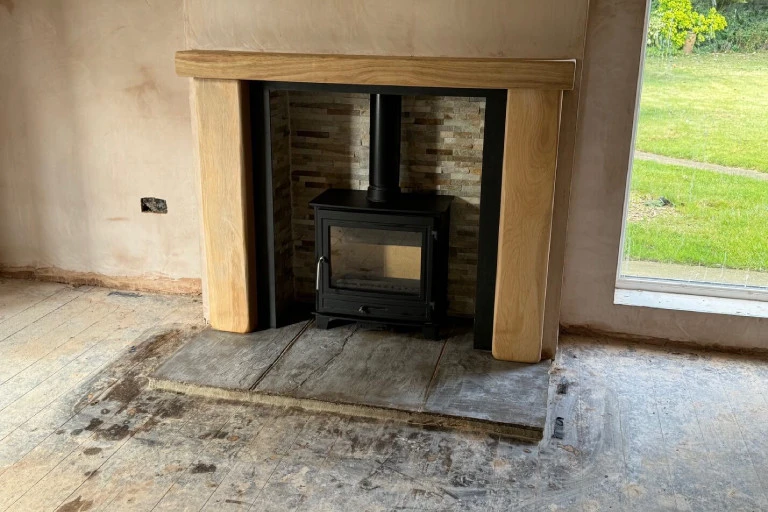
A felled tree does not have to be a loss. Branches can be chipped and used as mulch on garden borders, where they help retain moisture and suppress weeds. Larger timber can be cut into logs, and once properly seasoned it makes good firewood for a wood burning stove. Many tree surgeons can chip and remove waste for you or leave the useful material behind if you would like to keep it.
A Local Perspective
For homeowners and landowners around Brigg, Hibaldstow and the wider North Lincolnshire countryside, having an experienced local team to call on makes all of this simpler. TSR Tree Services Ltd, based in Hibaldstow, has over twenty years of practical experience in tree care and takes a conservation first approach, looking at the long term health of a tree before recommending removal. When a tree does need to come down, their team handles tree removal in Lincolnshire along with stump removal, chipping and waste disposal.
Final Thoughts
A tree that looks like a problem is not always a lost cause. Look for the warning signs, check whether the tree is protected, think about wildlife and timing, and get an honest assessment from a qualified professional. With the right advice, you can keep your garden safe while protecting the trees that make it special.

















Sign in to leave a comment.