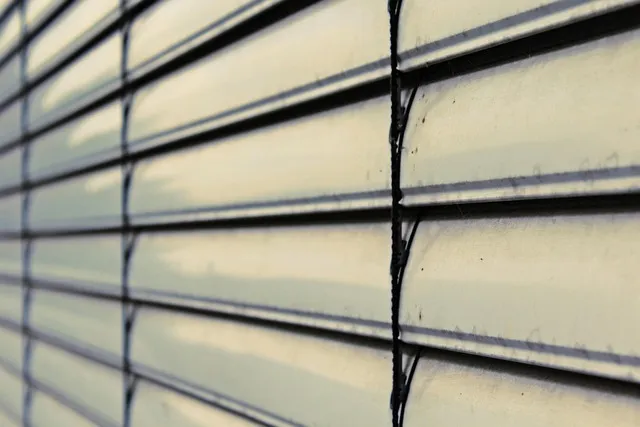

Exterior shutters can transform the appearance of a home's windows, but the hardware used to install and operate them is equally important. Hinges, holdbacks, bolts, fasteners, and other components provide the support needed for functional shutters while also adding decorative detail to the exterior. For homeowners researching shutter hardware Cary NC, choosing the right combination of materials, finishes, and designs can help create a shutter installation that is both attractive and dependable.
Cary homes range from traditional and Colonial-inspired properties to contemporary residences, making it important to select hardware that complements the architecture. The right hardware can reinforce the style of the shutters, improve functionality, and provide a finished appearance that works naturally with the rest of the home's exterior.
The Importance of Shutter Hardware
Shutter hardware serves several purposes. On functional shutters, hinges allow panels to open and close, while holdbacks can secure them against the wall when open. Bolts and latches can help keep shutters closed when needed.
Hardware can also be decorative. Even fixed shutters can use traditional hinges and holdbacks to create the appearance of authentic working shutters.
Because hardware is exposed to outdoor conditions, it should be selected for both appearance and durability. The size and weight of the shutter, mounting surface, and intended use should all influence the hardware selection.
Common Types of Shutter Hardware
Several hardware components may be included in an exterior shutter installation.
Hinges connect functional shutters to the building and provide the movement necessary to open and close the panels.
Holdbacks, also known as shutter dogs or tiebacks, can secure shutters against the wall when they are open.
Shutter bolts and latches can help secure panels in the closed position.
Fasteners attach the hardware and shutters to the building and must be compatible with the mounting surface.
The exact combination depends on the shutter style and whether the installation is functional or decorative.
Choosing the Right Hardware Material
Exterior shutter hardware is available in several materials.
Stainless steel is commonly considered for exterior applications because of its resistance to corrosion and ability to withstand outdoor exposure.
Cast aluminum can provide durability while allowing manufacturers to create detailed decorative shapes.
Cast iron and wrought steel can offer a more traditional appearance and may be appropriate for historic or classic architectural designs.
The hardware material should be compatible with the shutter and appropriate for the property's environment.
Cary Weather Considerations
Exterior hardware in Cary is exposed to seasonal changes, including heat, humidity, rainfall, and temperature fluctuations.
These conditions can affect exposed metal over time.
Choosing hardware designed for exterior applications can help improve durability.
Protective finishes may provide additional resistance to moisture and environmental exposure.
Homeowners should still inspect the hardware regularly for corrosion, discoloration, loose fasteners, or other signs of deterioration.
Hardware for Functional Shutters
Functional shutters require hardware capable of supporting repeated movement.
Hinges must be appropriately sized for the shutter panels. A large or heavy shutter requires hardware capable of supporting its weight without unnecessary strain.
Holdbacks should keep the panels securely positioned when open.
Fasteners must be appropriate for the home's exterior material, whether the shutters are mounted to wood, masonry, stucco, or another surface.
Proper installation is essential because even high-quality hardware can perform poorly when incorrectly positioned.
Decorative Shutter Hardware
Decorative hardware can give fixed shutters a more authentic appearance.
Traditional hinges can be positioned near the shutter edges, while holdbacks can be placed below or beside the panels.
Although the shutters do not operate, these details can make them appear more substantial and historically inspired.
Decorative hardware should still be securely mounted and properly proportioned to the shutters.
Matching Hardware to Shutter Style
The hardware should complement the shutter design.
Louvered shutters often work well with traditional hinge and holdback styles.
Board-and-batten shutters can accommodate more substantial hardware that reinforces their rustic appearance.
Raised-panel shutters may benefit from more formal hardware designs.
Modern homes can use simpler hardware with clean lines and less visual ornamentation.
The goal is to create a consistent relationship between the shutters, hardware, windows, and overall architecture.
Choosing the Right Hardware Finish
The finish can have a significant effect on the final appearance.
Black hardware creates strong contrast against light-colored shutters and remains a popular choice for traditional exteriors.
Other dark, metallic, or neutral finishes can provide different levels of contrast.
Homeowners can coordinate the hardware with exterior lighting, door handles, railings, fencing, and other metal elements.
A coordinated finish can help create a cohesive exterior design.
Hardware for Wood Shutters
Wood shutters can vary considerably in weight depending on their dimensions and construction.
Hardware should be selected according to the actual size and weight of the panels.
Wood can also respond to changes in moisture and temperature, making secure installation particularly important.
Appropriate fasteners can help maintain stability and reduce movement.
Regular inspection can identify loose hardware or changes in the condition of the shutter before they become more significant problems.
Hardware for Composite Shutters
Composite shutters can have different structural characteristics from solid wood.
The hardware should be compatible with the particular composite product.
Larger panels may still require substantial hinges and secure mounting components.
Homeowners should review manufacturer specifications when selecting hardware for composite, PVC, fiberglass, or other synthetic shutters.
Historic and Traditional Properties
Hardware selection can be particularly important on traditional or historic homes.
Traditional hinges, holdbacks, and fasteners can help maintain an architectural appearance consistent with the property's age.
For homes in areas with historic preservation requirements, homeowners should determine whether exterior modifications require approval.
Depending on the property, guidelines may affect shutter style, hardware, materials, or finishes.
Researching these requirements before installation can help prevent unnecessary delays.
Custom Shutter Hardware
Custom hardware can provide additional flexibility for specialty projects.
Unusually sized shutters may require components with specific dimensions or load capacities.
Historic homes may also need hardware designed to replicate an existing architectural detail.
Custom finishes can help match hardware to the home's exterior color palette.
This can be particularly useful when standard hardware does not provide the desired appearance or performance.
Hardware for Brick and Masonry
Mounting shutters to brick, stone, or masonry requires careful consideration.
The selected fasteners should be appropriate for the substrate and the weight of the shutter.
Installation should avoid unnecessary damage to existing masonry.
For historic brick homes, preserving the condition of the exterior can be especially important.
Professional installation can help ensure that the hardware is securely mounted while respecting the existing structure.
Professional Measuring and Installation
Accurate measurements are important when selecting shutter hardware Cary NC.
The shutter's width, height, thickness, weight, and mounting position should be considered.
For functional shutters, hinge placement must allow the panels to operate correctly without interfering with window trim, landscaping, or other exterior features.
Holdbacks also need to be positioned so they can secure the shutters properly.
Professional installation can help ensure that all components are aligned and securely attached.
Maintaining Shutter Hardware
Routine maintenance can help preserve exterior hardware.
Homeowners should inspect hinges, holdbacks, bolts, and fasteners periodically.
Any signs of corrosion, loose components, or damaged finishes should be addressed promptly.
Cleaning should be performed according to the material and finish.
Moving components should be maintained according to manufacturer recommendations.
Regular care can extend the useful life of the hardware and help preserve the appearance of the shutters.
Hardware and Curb Appeal
Although shutter hardware is relatively small, it can have a noticeable effect on the appearance of a home.
Well-proportioned hinges and holdbacks can make shutters appear more authentic.
A carefully selected finish can complement other exterior metalwork.
Hardware can also reinforce the architectural style, whether the home is traditional, historic, farmhouse-inspired, coastal, or contemporary.
The most successful installations treat hardware as part of the overall exterior design rather than an afterthought.
Choosing Shutter Hardware in Cary, NC
When researching shutter hardware Cary NC, homeowners should consider the shutter style, dimensions, weight, material, intended function, mounting surface, hardware material, finish, and local weather exposure.
Functional shutters require hardware capable of supporting movement, while decorative shutters can use hardware primarily to enhance architectural appearance.
Custom hardware may be beneficial for historic homes, specialty shutters, or properties with unusual dimensions.
With appropriately sized components, durable exterior materials, accurate measurements, and professional installation, shutter hardware can provide both dependable support and attractive architectural detail. The right hinges, holdbacks, fasteners, and finishes can complete an exterior shutter installation and help Cary homeowners create a polished, cohesive look that complements their property's architecture.



















Sign in to leave a comment.