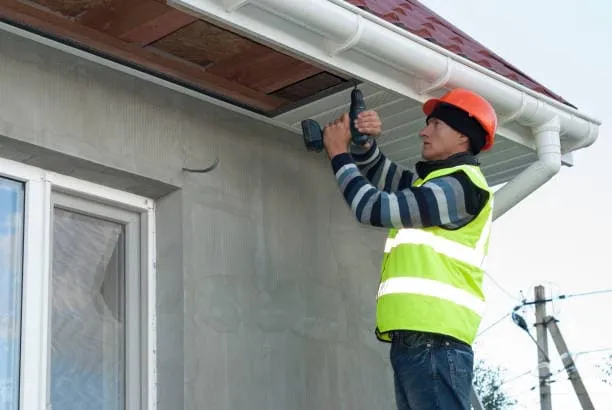

Soffits are located beneath roof overhangs and play an important role in protecting the roof edge while supporting proper attic ventilation. Although they may receive less attention than roofing materials, damaged soffits can affect moisture control, ventilation, appearance, and protection against pests. Homeowners should understand the warning signs that may indicate deterioration or failure. Professional soffit replacement can restore damaged areas and help maintain the home's exterior system. Recognizing problems early can make repairs easier and reduce the possibility of related damage developing in surrounding areas.
Look for Visible Damage
Check for Cracks
Cracks in soffit panels can develop because of age, weather exposure, impact, or material deterioration. Small cracks may initially appear cosmetic, but they can create openings where moisture or insects enter. Homeowners should inspect soffits periodically from a safe position and note visible changes. Cracked sections should be evaluated to determine whether localized repair is appropriate or whether broader replacement is necessary. Early attention can help prevent damage from spreading to adjacent areas.
Watch for Sagging
Soffits should generally remain securely positioned beneath the roof overhang. Sagging, separation, or loose panels may indicate damaged materials, weakened fasteners, or moisture related problems. These conditions can become more noticeable after heavy weather or prolonged exposure. Homeowners should avoid attempting unsafe repairs from ladders without appropriate experience. A professional inspection can determine why the soffit has moved and whether the supporting structure also requires attention.
Identify Moisture Problems
Look for Stains
Water staining, discoloration, or dark marks can indicate that moisture has reached the soffit. The source may involve roofing, flashing, gutters, or another nearby component rather than the soffit alone. Simply replacing stained material without identifying the source may allow the problem to return. Homeowners should therefore consider a complete evaluation when moisture damage is visible. Addressing the underlying cause is essential for achieving a lasting result.
Check for Soft Areas
Materials affected by prolonged moisture may become soft, swollen, warped, or weakened. These changes can reduce the soffit's ability to protect the roof edge and maintain its appearance. Homeowners should not press heavily on damaged areas because weakened materials may break or fall. Professional assessment can determine whether the problem is limited to the soffit or extends into nearby structural components. Early evaluation may reduce the amount of replacement work required.
Evaluate Ventilation
Inspect Vent Openings
Many soffits contain ventilation openings that allow air to move through the attic system. Blocked, damaged, or poorly functioning vents can interfere with airflow. Homeowners should check whether openings are obstructed by debris, paint, insulation, or other materials. Ventilation concerns should be discussed with a professional because soffit performance is connected to the broader attic ventilation system. Improving airflow may require attention to more than the visible soffit panels.
Watch for Condensation Signs
Excessive attic moisture can contribute to condensation, staining, odors, or deterioration under certain conditions. While soffits are not the only factor involved, damaged or blocked ventilation can contribute to poor airflow. Homeowners noticing repeated moisture signs should have the attic and roof ventilation system evaluated. Identifying the source early can help protect roofing materials and reduce the chance of moisture related damage.
Look for Pest Entry
Inspect Openings
Damaged soffits can create entry points for birds, insects, rodents, and other pests. Gaps around panels, corners, vents, or roof edges should be addressed when discovered. Pest activity can lead to contamination, damaged insulation, unpleasant odors, and additional repairs. Homeowners should avoid sealing active pest entry points without determining whether animals are already inside. Professional evaluation can help identify the extent of the opening and recommend an appropriate repair.
Check Surrounding Areas
Pest related damage may extend beyond the visible soffit. Fascia, roof edges, insulation, and attic components may also be affected. Homeowners should consider a broader inspection if there are signs of nesting or repeated pest activity. Replacing the visible panel without addressing surrounding vulnerabilities may allow the problem to return. A coordinated approach can provide better long term protection.
Consider Appearance Changes
Notice Peeling Finishes
Peeling paint, faded finishes, warped surfaces, or mismatched replacement panels can make the roofline look neglected. While appearance alone may not require immediate replacement, widespread deterioration can indicate that materials are approaching the end of their useful life. Homeowners planning other exterior improvements may consider replacing damaged soffits at the same time. Coordinating finishes can create a more consistent appearance around the property.
Look for Uneven Sections
Uneven lines or inconsistent panel placement can indicate movement, damage, or previous repairs. These issues may become more noticeable when viewed from the ground or from neighboring properties. A professional can determine whether the appearance problem is cosmetic or related to an underlying installation concern. Properly aligned soffits can improve the overall finish of the roofline while supporting the home's exterior protection.
Consider Material Condition
Account for Age
Soffit materials can deteriorate over time because of weather, moisture, sunlight, temperature changes, and normal aging. Older systems may also use materials that no longer match the homeowner's current maintenance preferences. Age should be considered alongside visible condition and performance. If multiple sections show deterioration, replacing the system may be more practical than repeatedly repairing isolated areas. A professional assessment can help determine the most appropriate approach.
Evaluate Previous Repairs
Repeated patches may indicate that a soffit system is experiencing ongoing problems. While localized repairs can be effective for isolated damage, frequent repairs can become costly and visually inconsistent. Homeowners should review the history of previous repairs when deciding whether broader replacement is justified. If damage continues to return, the underlying cause should be identified rather than repeatedly treating only the visible symptoms.
Plan Replacement Carefully
Coordinate With Roofing Work
If the roof is also being repaired or replaced, homeowners may benefit from evaluating the soffits at the same time. Roofing work can provide access to areas that are otherwise difficult to reach. Coordinating projects may allow related problems to be addressed together and create a more consistent finished appearance. Homeowners should discuss whether soffit replacement should occur before, during, or after other exterior work.
Choose Suitable Materials
Replacement materials should be selected according to climate, maintenance preferences, ventilation requirements, and exterior design. Homeowners can compare different options based on durability, appearance, moisture resistance, and upkeep. The selected material should also work with the existing roof edge and ventilation strategy. Proper installation is as important as material selection because poorly fitted panels can create gaps or interfere with airflow.
Conclusion
Visible cracks, sagging, moisture stains, soft areas, blocked vents, pest openings, peeling finishes, uneven sections, age, and repeated repairs can all indicate that soffits need professional attention. Homeowners should investigate underlying causes rather than focusing only on visible damage. Coordinating soffit work with roofing and exterior improvements can also improve efficiency and appearance. Those considering professional assistance may evaluate Ceccola Construction for their project. Timely assessment and proper replacement can help preserve ventilation, protect roof edges, and maintain the home's exterior condition.





















Sign in to leave a comment.