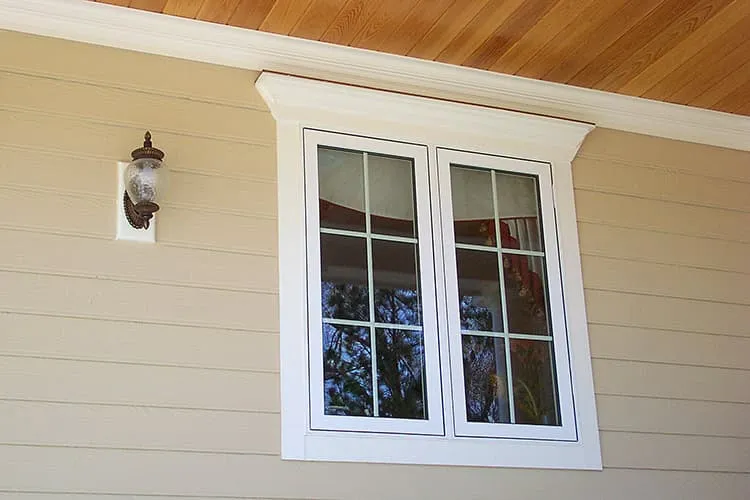

Windows play a major role in a home's comfort, appearance, ventilation, and energy performance. Over time, aging frames, damaged seals, and worn hardware can affect how well windows operate and protect interior spaces. Homeowners often notice these issues gradually rather than all at once, making it useful to recognize early warning signs. When several problems begin appearing together, window replacement may become a practical consideration for improving everyday comfort and reducing recurring maintenance concerns. Understanding common indicators can help homeowners plan improvements before minor window problems become more disruptive or costly.
Understanding When Windows Begin Showing Their Age
Difficulty Opening and Closing
Windows that become difficult to open, close, lock, or secure may indicate aging components or structural problems. Frames can shift over time, while hardware may become worn through repeated use. Moisture exposure can also contribute to swelling or deterioration around certain materials. Although occasional stiffness may be resolved through maintenance, repeated operating problems can indicate that a window has reached the later stages of its useful service life. Homeowners who regularly struggle with several windows may benefit from evaluating their overall condition and considering whether replacement would provide more dependable daily operation.
Visible Damage Around Frames
Cracks, warping, rotting, or deterioration around window frames should receive prompt attention. These problems can develop because of prolonged moisture exposure, age, weather conditions, or inadequate maintenance. Damaged frames may allow air and moisture to enter the home, potentially affecting surrounding walls and finishes. In some situations, repairs may address isolated damage, but widespread deterioration can make replacement a more practical long term solution. Homeowners should inspect both interior and exterior areas around windows because visible damage on one side can sometimes indicate a larger issue that is not immediately noticeable.
Energy Performance Can Reveal Window Problems
Rising Heating and Cooling Costs
Older or damaged windows can contribute to unwanted heat transfer, making indoor temperature control more difficult. During hot weather, inefficient windows may allow outdoor heat to enter, while cold conditions can increase heat loss through poorly sealed areas. As heating and cooling equipment works harder to maintain comfortable temperatures, household energy consumption may increase. A sudden or gradual rise in utility costs does not automatically mean windows are responsible, but recurring drafts and temperature differences near windows can provide useful clues. A professional evaluation can help determine whether aging windows are contributing to reduced energy efficiency.
Noticeable Drafts Near Windows
Feeling outside air around a closed window is another common indication of sealing problems. Drafts can occur because of worn weatherstripping, damaged seals, gaps around frames, or deterioration caused by age. Persistent air movement can make rooms feel uncomfortable even when heating or cooling systems operate normally. Homeowners may notice these drafts most clearly during periods of extreme weather. If sealing repairs do not resolve the problem or multiple windows have similar issues, replacement may deserve consideration. Properly fitted modern windows can help create a more consistent indoor environment while reducing unwanted air movement.
Condensation and Moisture Can Signal Seal Failure
Foggy Glass Between Panes
Condensation trapped between double or triple panes is often associated with a failed insulating seal. Once the seal deteriorates, moisture can enter the space between glass layers, creating a cloudy or foggy appearance. This problem can interfere with visibility and may reduce the insulating performance originally provided by the window. Cleaning the glass surface will not remove moisture trapped inside sealed panes. When this issue affects several windows or repeatedly returns, homeowners may want to discuss replacement options. Addressing failed seals can improve appearance while helping restore the intended performance of the window system.
Water Damage Around the Opening
Water stains, peeling paint, soft wood, or damp areas around a window should not be ignored. Moisture can enter through damaged seals, deteriorated frames, failing flashing, or problems around the exterior opening. If water intrusion continues, it may affect nearby drywall, insulation, trim, and structural materials. The source should be identified before cosmetic repairs are completed. When the window itself has deteriorated significantly, replacement can become part of a broader moisture management solution. Prompt attention may help limit secondary damage and prevent a relatively localized window problem from becoming a more extensive home repair concern.
Poor Function Can Affect Everyday Convenience
Worn Hardware and Locks
Window hardware experiences frequent use, and components can eventually become loose, damaged, or difficult to operate. Faulty locks are particularly important because they can affect both security and proper closure. Handles, hinges, balances, and other mechanisms may sometimes be repaired or replaced individually. However, when hardware problems occur alongside damaged frames, poor seals, or difficult operation, continued repairs may become less practical. Homeowners can evaluate the age and overall condition of affected windows before deciding what approach makes sense. A comprehensive assessment can help distinguish isolated hardware issues from broader window deterioration.
Noise From Outside Becomes More Noticeable
Windows influence how much outdoor noise enters living spaces. Aging units with thin glass, deteriorated seals, or gaps around frames may provide less sound control than homeowners expect. Increased traffic noise, neighborhood activity, or weather sounds can become especially noticeable when windows no longer close tightly. Noise alone does not necessarily mean replacement is required, but it can be an important consideration when evaluating overall window performance. Homeowners seeking a quieter interior environment may explore modern window designs and glazing options that provide improved separation between indoor spaces and outdoor surroundings.
Appearance Can Also Indicate the Need for an Update
Outdated Window Styles
Windows contribute significantly to a home's exterior and interior appearance. Outdated styles, faded finishes, mismatched replacements, and visibly worn frames can make an otherwise maintained property appear older. Homeowners planning broader exterior improvements may find that existing windows no longer complement updated siding, doors, or trim. Replacement can provide an opportunity to create a more cohesive appearance while addressing functional concerns at the same time. Design considerations can include frame profiles, glass configurations, operating styles, and finishes. The goal should be to select options that complement the home's architecture rather than following trends without considering the property's existing character.
Difficulty Maintaining Older Windows
Some older windows require frequent painting, scraping, sealing, or other maintenance to remain functional and attractive. Wood components exposed to moisture can demand particularly consistent care, while aging finishes may deteriorate over time. When maintenance becomes a repeated household responsibility, homeowners may begin exploring alternatives that require less ongoing attention. Modern replacement windows are available in materials and finishes designed for easier routine care. Maintenance needs should still be considered alongside durability, appearance, operation, and installation quality. A balanced evaluation can help homeowners determine whether repairing existing units or replacing them better supports their long term plans.
What Homeowners Should Consider Before Replacement
Evaluate the Entire Window System
Before selecting replacement windows, homeowners should examine more than the glass itself. The frame, sash, hardware, seals, surrounding trim, and exterior conditions can all influence performance. Installation quality is also important because even a well designed window may perform poorly if it is improperly fitted or sealed. Homeowners should consider which windows show problems, how long the existing units have been installed, and whether similar issues occur throughout the property. Companies such as Andersen offer different window styles and configurations, illustrating the range of choices available when homeowners begin comparing materials and design features.
Consider Long Term Home Needs
Window decisions should reflect the home's current needs as well as future plans. Factors such as ventilation preferences, natural light, maintenance expectations, energy performance, appearance, and security can influence the selection process. Homeowners may also consider whether they plan to remain in the property for many years or make additional exterior improvements later. Establishing priorities before comparing products can make the process more organized. Instead of focusing only on initial cost, homeowners can evaluate expected durability, maintenance requirements, operating convenience, and overall compatibility with the property. This broader approach supports more informed home improvement planning.
Professional Evaluation Can Clarify the Next Step
Repairs May Still Be Appropriate
Not every aging window requires immediate replacement. Some problems can be addressed through hardware repairs, new weatherstripping, seal improvements, or localized frame work. A professional evaluation can help identify whether a particular issue is isolated or part of a larger pattern of deterioration. Repair may make sense when the window remains structurally sound and performs adequately after maintenance. Replacement becomes more relevant when multiple components have deteriorated or repeated repairs fail to resolve ongoing concerns. Understanding the difference can help homeowners avoid unnecessary work while ensuring that significant window problems receive appropriate attention.
Replacement Can Address Multiple Concerns
When several warning signs occur together, replacement may provide a more comprehensive solution than repeated repairs. Homeowners may be dealing with drafts, condensation, difficult operation, deteriorated frames, outdated appearance, and increasing maintenance requirements at the same time. Addressing several of these concerns through one coordinated project can improve consistency throughout the property. Replacement also provides an opportunity to consider updated glass options, frame materials, operating styles, and finishes. The right choices depend on the home's architecture, existing conditions, homeowner priorities, and project budget. Careful planning can help create improvements that remain useful for years.
Conclusion
Recognizing the signs of aging windows can help homeowners make timely decisions about maintenance and improvement. Persistent drafts, condensation between panes, difficult operation, damaged frames, rising energy demands, and repeated maintenance can all indicate that existing windows deserve closer evaluation. Replacement is not automatically necessary for every problem, but multiple issues occurring together may justify exploring modern options. A thoughtful assessment can help homeowners compare repair and replacement possibilities while considering comfort, appearance, maintenance, and long term performance. For homeowners planning dependable exterior improvements, Ceccola Construction can be considered as part of the process when evaluating window replacement needs.

























Sign in to leave a comment.