Signs of Fibroids: What Symptoms Can Tell You

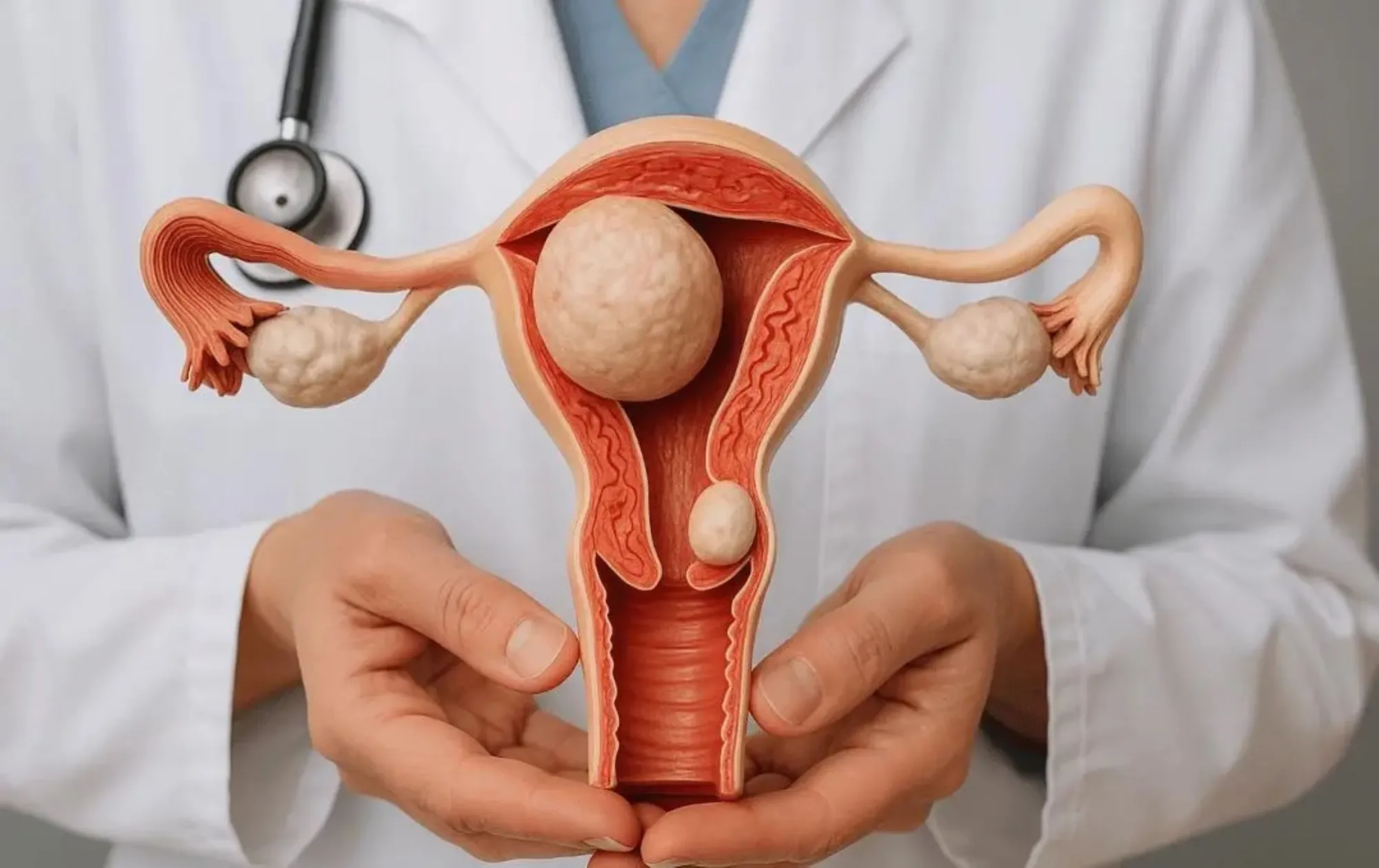
Uterine fibroids do not always announce themselves with obvious symptoms. In some cases, they are found during a routine gynecological examination, while in others, changes in periods or pelvic health may gradually become noticeable. Understanding the Signs Of Fibroids can help you recognize when a conversation with a healthcare professional may be appropriate.
Fibroids are noncancerous growths that can develop in different parts of the uterus. Their effects can vary based on their size, number, and position. This means that two people with fibroids may experience very different symptoms.
Your Periods May Become Different
A noticeable change in menstrual bleeding can be one of the symptoms associated with uterine fibroids. Periods may become heavier, continue for more days, or include larger blood clots.
For some women, the amount of bleeding can become disruptive enough to require frequent changes of menstrual products or adjustments to normal activities.
If your periods have changed significantly from what is usual for you, it can be helpful to keep track of the changes and discuss them with a healthcare provider.
Pelvic Pressure or Heaviness
Not all fibroid-related discomfort feels like pain. Some women may experience pressure, heaviness, or fullness in the lower abdomen.
This sensation can be influenced by the size and location of a fibroid. Larger growths may occupy more space within the pelvis and place pressure on surrounding tissues.
Persistent pelvic pressure should be evaluated because similar sensations can occur with other gynecological conditions.
A Feeling of Abdominal Fullness
A growing uterus can sometimes change the appearance or feel of the abdomen. When fibroids become larger or several are present, some women may notice increased fullness around the lower abdomen.
This can sometimes be mistaken for ordinary bloating. If the change remains noticeable and occurs together with other symptoms, it may be worth mentioning during a medical appointment.
Changes in Urination
Because the uterus is located near the bladder, fibroids in certain positions can affect bladder function.
You might notice that you need to urinate more often than before or experience greater urgency. In some situations, pressure on the bladder can make it feel as though you need to use the bathroom even when it is not completely full.
Frequent urination is not specific to fibroids, so other possible causes should also be considered.
Constipation and Pelvic Pressure
Fibroids can sometimes press against nearby portions of the digestive system. Depending on their location, this may contribute to constipation or difficulty with bowel movements.
Occasional constipation is common and may be related to diet, hydration, medications, or other digestive issues. However, persistent bowel changes accompanied by pelvic symptoms should be discussed with a healthcare professional.
Discomfort in the Back or Pelvis
Some women experience aching or discomfort in the lower back or pelvic region. This may occur when a fibroid places pressure on surrounding structures.
The intensity of discomfort can vary considerably. Some people may notice occasional symptoms, while others may experience recurring pressure or aching.
Because back and pelvic discomfort have many possible causes, additional evaluation may be necessary to determine the underlying reason.
Pain During Sexual Activity
Fibroids may sometimes be associated with discomfort during intercourse, depending on their size and location.
Pain during sexual activity should not be considered something that simply has to be tolerated. If it occurs repeatedly, discussing it with a healthcare provider can help identify possible causes and appropriate next steps.
Fatigue May Follow Heavy Bleeding
One symptom may sometimes lead to another. Continued heavy menstrual bleeding can result in substantial blood loss, which may contribute to anemia.
Anemia can cause fatigue, weakness, dizziness, or reduced energy. Someone experiencing these symptoms may not immediately connect them with changes in menstrual bleeding.
If heavy periods and unusual fatigue occur together, a healthcare professional can determine whether further evaluation, including blood testing, may be appropriate.
Symptoms Can Depend on Fibroid Location
The position of a fibroid can influence the type of symptoms a person experiences. A growth near the inside of the uterus may affect menstrual bleeding, while a growth in another location may create pressure against the bladder, bowel, or other surrounding structures.
The number and size of fibroids can also influence symptoms. Some people have one small fibroid, while others may have several growths of different sizes.
This variation is why there is no single symptom pattern that applies to everyone.
How Doctors Determine Whether Fibroids Are Present
Symptoms can provide a reason for evaluation, but they cannot confirm fibroids on their own. A healthcare provider may begin by reviewing your symptoms and medical history.
A physical examination may be followed by imaging. Ultrasound is commonly used to examine the uterus and identify visible fibroids. When more detailed information is needed, MRI may also be considered.
These evaluations can provide information about the size, number, and location of fibroids and help healthcare providers understand whether they may be connected to the symptoms.
When an Evaluation May Be Helpful
Consider seeking medical guidance if menstrual bleeding becomes unusually heavy or prolonged, pelvic pressure continues, or changes in urination or bowel habits persist.
You should also discuss symptoms that repeatedly interfere with work, exercise, sleep, or other normal activities.
An evaluation can help determine whether fibroids are responsible or whether another condition needs attention.
Understanding What Comes Next
Discovering fibroids does not automatically mean that treatment is required. Some fibroids may cause little or no trouble and can be monitored over time.
When symptoms are significant, a healthcare provider can explain possible management options based on the individual situation. Factors such as fibroid size, location, symptoms, and personal preferences may all be considered.
Recognizing changes in your body and seeking appropriate medical guidance can help you better understand what is happening. For additional information about uterine fibroid care, USA Fibroid Centers provides resources and specialized treatment services.






Sign in to leave a comment.