Signs Your Home's Foundation Needs Repair Before Winter Sets In

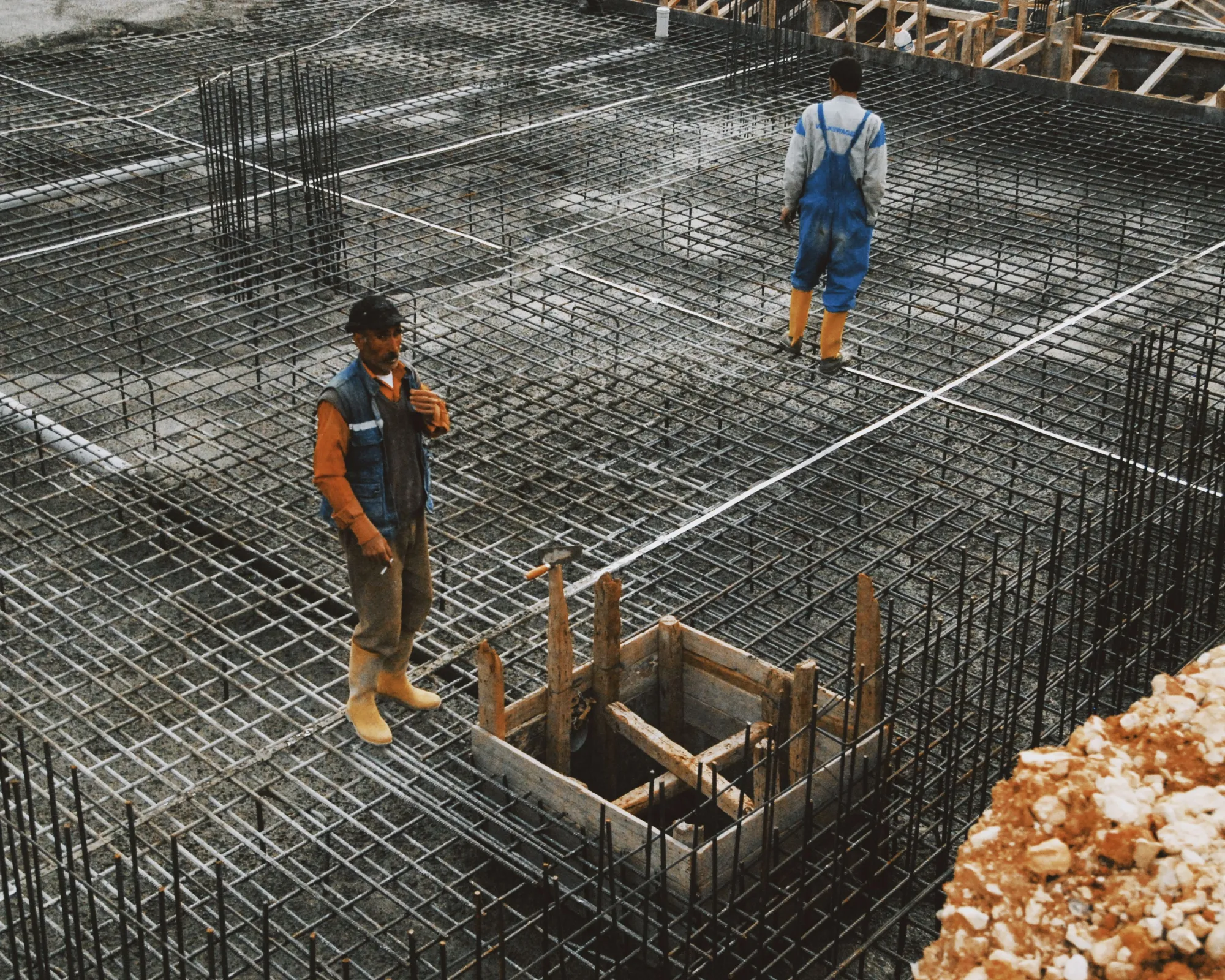
As autumn temperatures drop and seasonal rain saturates the soil, your house faces unique environmental pressures.
Expanding and contracting soil around your base can put extra pressure on exterior walls, while freezing temperatures worsen existing vulnerabilities. Catching structural issues early in the fall can help you keep your home stable before severe winter weather arrives.
Addressing warning signs before the first freeze prevents minor movement from turning into severe damage. Here are the key indicators that your base needs professional attention before winter fully sets in.
Noticeable Cracks in Interior Drywall and Exterior Bricks
While hairline cosmetic cracks can happen as materials naturally age, larger structural fractures point to dynamic shifting beneath your living space. According to resources from the U.S. Geological Survey, soil expansion, and moisture changes are primary drivers of ground movement that place immense pressure on home foundations.
Sticking Doors and Windows That Jam
Do your doors or windows suddenly stick, drag along the carpet, or refuse to latch properly? While high humidity can cause wooden frames to swell in summer, persistent sticking during cooler, drier months often signals structural shifting.
As the base under your home settles unevenly, it pulls the wooden framing out of square. This distortion places uneven pressure on door jambs and window tracks.
If you notice multiple doors misaligned throughout your main living space, scheduling an evaluation with trusted foundation repair experts in Alabama can help you identify the root cause before winter weather worsens structural strain.
Sloping, Uneven, or Bouncing Floors
Walking across your home shouldn't feel like navigating a gentle incline.
Sloping, sagging, or unusually bouncy floors indicate that your underlying support structure isn't providing consistent support.
In homes built over a crawl space, floor sagging often stems from moisture damage, rotten wood supports, or settled piers beneath the floor joists. In homes built on concrete slabs, uneven floors often happen when shifting soil creates hollow voids underneath the concrete. Addressing floor support issues before cold weather sets in protects your home's structural integrity throughout the season.
Gaps Around Window Frames, Doors, and Exterior Trim
As foundation settlement pulls your walls slightly outward or downward, gaps can open up around exterior door frames, window casings, and roof trim. These gaps pull exterior sealant away from siding, creating entry points for cold drafts and winter moisture.
Leaving these openings exposed through winter increases heating costs and allows water intrusion behind your walls, increasing the likelihood of wood decay and unwanted microbial growth. Sealing the perimeter while repairing the underlying foundation movement provides long-term stability and keeps your interior comfortable.
Bowing or Leaking Basement and Crawl Space Walls
Basement and crawl space walls bear the full weight of your house while holding back thousands of pounds of surrounding soil. During wet fall months, saturated dirt expands against foundation walls, creating heavy hydrostatic pressure.
Look closely for horizontal cracking or inward bowing along basement walls. If water seepage, damp spots, or white powdery efflorescence appear along concrete surfaces, water intrusion is already penetrating your barrier.
Specialized interior drain systems, sump pumps, or wall-stabilization tools like steel piers or carbon fiber straps can divert moisture and strengthen compromised walls.
Unpleasant Odors and Crawl Space Moisture Issues
Musty smells wafting up through floorboards usually originate in a damp crawl space. Excess groundwater seepage creates high humidity, creating prime conditions for wood rot and microbial growth on floor joists.
During winter, cold air entering through open crawl space vents collides with warm air under your floors, producing condensation that accelerates moisture damage. Implementing crawl space moisture management, such as installing heavy-duty vapor barriers, sealing vents, and adding a specialized dehumidifier, protects floor supports and improves overall indoor air quality.
Why Fall Is the Ideal Time for Foundation Maintenance
Taking action during autumn is a smart strategy for several reasons. Soil conditions are generally easier to work with before the ground freezes solid, allowing specialized equipment like push or helical piers to be installed efficiently.
Addressing repairs before winter also prevents the freeze-thaw cycle from expanding existing wall cracks or pushing bowed walls further inward. By handling repairs now, you protect your property against harsh seasonal conditions and maintain a comfortable environment all winter.
Chimney Separation and Exterior Wall Gaps
An exterior brick chimney clearly indicates structural shifting around your home's perimeter. Because chimneys rest on their own concrete footings, soil movement beneath the main base often causes the chimney to tilt away from the house.
When a chimney begins pulling away, gaps open up along the exterior siding where the brick meets the roofline. Leaving these gaps unsealed through winter lets cold air, pests, and snowmelt penetrate your home's exterior envelope.
Installing specialized underpinning or push piers beneath the chimney footing helps stabilize the structure and prevents further separation before harsh seasonal weather arrives.
Preventing Plumbing Leaks Caused by Your Foundation
As a home's base shifts unevenly, the movement puts immense strain on supply lines and drainage pipes running through slab foundations or crawl spaces.
Rigid plumbing pipes cannot flex when walls or floors move, which often leads to hidden water leaks behind drywall or beneath concrete slabs.
Undetected water intrusion from cracked plumbing lines saturates surrounding soil, accelerating foundation settlement and creating a cycle of ongoing structural damage. Addressing structural movement early in the fall protects your plumbing infrastructure, keeps water flowing properly, and prevents costly pipe bursts during freezing winter snaps.
Protecting Your Base with Proactive Autumn Care
Your house relies on a stable base to protect everything inside it.
Recognizing warning signs like sticking doors, brick cracks, or damp lower levels lets you fix minor problems before severe winter weather creates complex structural issues. By partnering with experienced professionals to inspect your property, install interior drainage, or reinforce sagging floor supports, you can protect your investment for years to come. Taking proactive steps this fall keeps your property dry, comfortable, and resilient no matter what winter brings.




Sign in to leave a comment.