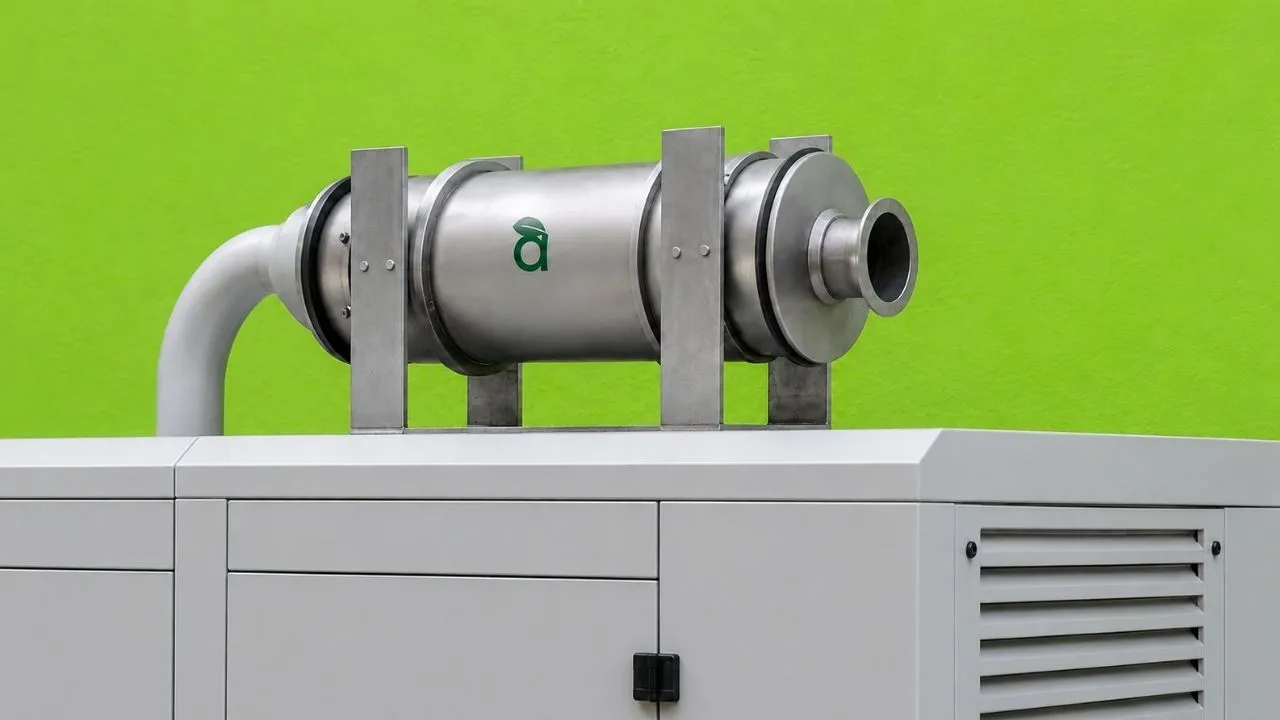

For businesses, institutions, construction sites, and residential facilities that need dependable backup power without excessive noise, understanding what a silent soundproof diesel generator is can help make the right purchasing decision. A silent diesel generator is designed to provide the dependable power associated with a conventional diesel genset while incorporating an enclosure and acoustic measures intended to reduce operating noise.
Diesel generators are valued for their ability to deliver substantial electrical power during grid failures and demanding operating conditions. However, the sound produced by an engine, cooling fan, exhaust system, and alternator can become a major concern when the generator operates close to offices, homes, hospitals, schools, hotels, or other occupied spaces. This is where the soundproof or acoustic enclosure becomes particularly useful.

What Exactly Is a Silent Diesel Generator?
A silent diesel generator is essentially a diesel-powered generating set equipped with an acoustically treated enclosure. The enclosure surrounds the major generator components and is engineered to reduce the amount of operating noise reaching the surrounding environment. The term "silent" can sometimes be misleading because a diesel engine cannot operate without producing sound. In practice, "silent" generally refers to a generator designed for reduced noise output rather than complete silence. The actual sound level depends on the engine, alternator, cooling fan, exhaust system, enclosure construction, installation arrangement, and operating load.
A quality acoustic enclosure therefore needs to achieve a careful balance. It must reduce noise while still allowing sufficient airflow to cool the engine and radiator. If airflow is restricted, the generator can experience excessive operating temperatures, potentially affecting reliability and performance.
Why Noise Becomes a Generator Problem
Noise may not seem important when a generator is installed in an isolated industrial area. The situation changes considerably when the same machine is installed near people. Imagine a commercial building where a backup generator is located close to offices. During a power outage, employees may need to continue working while the generator operates for several hours. Similarly, a hotel, hospital, educational institution, or residential complex may need backup electricity without creating excessive disturbance for occupants.
Construction sites and temporary facilities face a different challenge. Generators may need to operate in densely populated areas where there is limited separation between the equipment and surrounding buildings. In these situations, noise management becomes part of the overall generator installation strategy rather than simply a comfort feature.
How Does the Acoustic Canopy Reduce Noise?
The canopy is more than a simple metal box around the genset. A properly engineered enclosure typically incorporates acoustic materials, ventilation arrangements, service access, and exhaust provisions. Sound-absorbing materials can help reduce the transmission of engine and mechanical noise. The canopy can also be designed with controlled air pathways so that cooling air can enter and hot air can leave without creating unnecessary openings through which sound can escape directly.
The exhaust system is another important consideration. Engine exhaust produces significant noise, so suitable exhaust silencers and related components can contribute to overall acoustic performance. The result is not complete silence but a generator package designed to operate at a more manageable sound level.
Silent Generators and Outdoor Installation
One of the major advantages of an enclosed generator is its suitability for outdoor applications. A properly constructed canopy can provide additional protection against rain, dust, sunlight, and other environmental exposure.
However, the enclosure should not be considered a substitute for proper site planning. The generator still requires sufficient ventilation, adequate clearance, appropriate exhaust discharge, a stable foundation, suitable fuel arrangements, and convenient access for servicing. The location of the generator can also influence perceived noise. Walls, buildings, nearby equipment, and reflective surfaces may change how sound travels through the surrounding area. Consequently, two identical generators can produce noticeably different noise experiences depending on their installation environments.
Silent Generator vs Open Frame Generator
The difference becomes easier to understand when comparing a silent generator with an open-frame configuration. An open-frame genset leaves its major components exposed, making maintenance access relatively straightforward but generally providing less inherent acoustic and environmental protection. A silent canopy generator adds an enclosure around the equipment. This can improve weather protection and reduce noise transmission, but it may make access to some components less immediate. Modern canopies generally incorporate service doors and removable panels to address this issue.
For an indoor generator room, an open-frame generator may sometimes be more practical if the building already provides appropriate environmental and acoustic protection. For outdoor or noise-sensitive installations, an enclosed unit can offer greater convenience.
Does Generator Size Affect Noise?
Yes. Generator capacity and engine size can influence the overall noise profile. Larger engines generally produce different levels and characteristics of mechanical, combustion, exhaust, and cooling-system noise compared with smaller engines. But capacity alone does not determine noise performance. Two generators with similar kVA ratings may have different sound characteristics because of differences in engine technology, fan design, exhaust treatment, canopy construction, and acoustic engineering.
This is why buyers should examine the manufacturer's stated sound pressure or sound power specifications and understand the measurement conditions rather than relying solely on the word "silent."
Maintenance Still Matters
A silent generator needs the same attention to engine and electrical maintenance as other diesel gensets. The acoustic canopy may protect internal components from some environmental exposure, but it does not eliminate the need for regular servicing. Oil and filter changes, coolant checks, battery maintenance, belts, hoses, radiator cleanliness, exhaust components, electrical connections, and control systems should all be monitored according to the manufacturer's recommendations.
The canopy itself should also be inspected. Ventilation openings must remain unobstructed, acoustic materials should be kept in good condition, doors and seals should function correctly, and exhaust components should be checked periodically.
Silent Generators and Emission Control
Noise reduction and exhaust-emission control are separate aspects of generator engineering, although both need to be considered when planning a modern DG installation. A silent canopy does not automatically mean that the generator meets every applicable environmental requirement. Emissions depend on the engine, combustion characteristics, exhaust-treatment equipment, fuel, operating conditions, maintenance, and applicable regulations. For an existing diesel generator, an emission-control retrofit may be considered where appropriate. When evaluating a CPCB approved RECD, buyers should verify the specific product documentation, testing or certification information, generator compatibility, and the requirements applicable to their installation.
It is particularly important not to interpret a general "CPCB approved" marketing statement as universal regulatory approval for every DG set or location. CPCB requirements and related directions can vary according to generator characteristics and applicable rules. Generator owners should therefore verify current requirements directly with CPCB and relevant State Pollution Control Boards or other competent authorities before selecting an emission-control solution.
Is a Silent Diesel Generator Worth It?
For many applications, the answer can be yes, particularly when generator noise could affect employees, residents, customers, patients, students, or neighboring properties. The value of a silent generator is not simply measured by its purchase price. Reduced noise can make generator operation more practical in populated areas and can contribute to a more comfortable environment during extended power interruptions.
At the same time, buyers should consider total installation requirements, service accessibility, ventilation, fuel consumption, generator capacity, expected running hours, environmental conditions, and applicable regulations before choosing a model.
Choosing the Right Generator for Your Application
The ideal generator depends on the environment in which it will operate. A small commercial facility may prioritize compact dimensions and low noise, while an industrial plant may place greater emphasis on continuous operation, service accessibility, cooling performance, and load handling. Before purchasing, it is useful to understand the facility's electrical demand and expected operating pattern. The generator should have adequate capacity for both normal loads and important starting requirements without being unnecessarily oversized.
Noise specifications should then be considered alongside the installation location. If the generator will be positioned close to occupied areas, acoustic performance deserves greater attention than it would in an isolated industrial environment.
Conclusion
Silent diesel generators provide a practical approach to reducing the noise associated with backup and prime-power generation. Their acoustic canopies can make diesel gensets more suitable for commercial, institutional, residential, and other noise-sensitive environments while also providing additional protection against outdoor conditions. When selecting a generator, consider the complete operating environment rather than focusing on capacity or price alone. Noise, cooling, serviceability, emissions, fuel consumption, and applicable regulatory requirements should all form part of the decision. For emission-control considerations, always verify current CPCB and local requirements directly before treating any product as a compliance solution.
Frequently Asked Questions
1. What is a silent diesel generator?
A silent diesel generator is a diesel genset fitted with an acoustically engineered enclosure designed to reduce operating noise. It is not completely silent.
2. Are silent generators suitable for outdoor use?
Yes. Enclosed canopy generators are commonly suited to outdoor installations, provided that ventilation, exhaust discharge, foundation, clearances, and other installation requirements are properly addressed.
3. Are silent diesel generators completely noise-free?
No. Diesel engines, cooling fans, alternators, and exhaust systems naturally produce sound. A silent generator is designed to reduce that sound to a more manageable level.
4. Does a silent canopy control diesel emissions?
Not by itself. Noise-control enclosures and emission-control systems serve different purposes. Applicable emission requirements should be assessed separately.
5. Can an existing DG set be fitted with emission-control equipment?
In some cases, retrofit emission-control equipment may be technically suitable. Compatibility should be assessed based on the specific generator, engine, exhaust characteristics, operating conditions, and current regulatory requirements.

























Sign in to leave a comment.