
Every homeowner wants a safe, comfortable, and well-maintained home, but wildlife can sometimes make that difficult. As neighbourhoods continue to expand into natural habitats, encounters with small animals have become increasingly common. While wildlife is an important part of the environment, it can create significant problems once it enters a residential property. Animals that find shelter inside attics, crawl spaces, garages, or wall cavities often remain unnoticed until damage becomes visible.
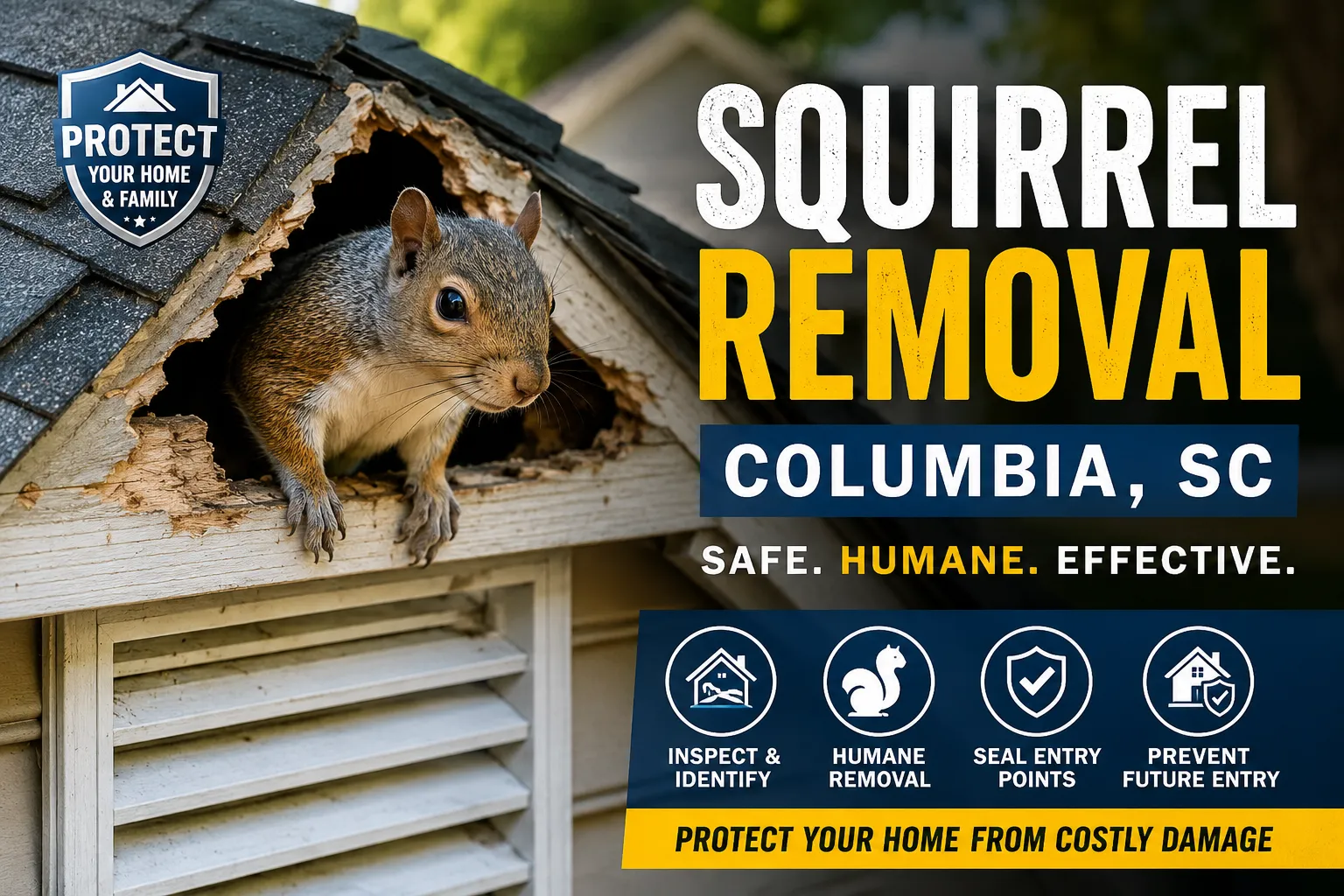
One of the first steps toward protecting a home is recognising when professional squirrel removal may be necessary. Squirrels are skilled climbers and can easily reach rooftops using nearby trees or utility lines. A small gap in a roof vent or soffit is often enough for them to enter an attic, where they begin building nests from insulation and other soft materials. Over time, their activity can damage the home's structure and disrupt everyday life.
Why Wildlife Chooses Residential Areas
Homes provide nearly everything small animals need to survive. They offer warmth during cold weather, protection from predators, and access to food and water. This combination makes residential neighbourhoods attractive to many species throughout the year.
Outdoor pet food, unsecured garbage containers, bird feeders, and dense landscaping all increase the likelihood of wildlife activity. Once animals discover these resources, they may continue returning and eventually attempt to enter the home itself.
Seasonal weather changes also encourage wildlife movement. During storms or colder months, sheltered indoor spaces become much more appealing than exposed outdoor habitats.
Common Indicators of Wildlife Activity
Wildlife problems often begin quietly. Animals may remain hidden for weeks before homeowners notice anything unusual. Identifying early warning signs can help reduce repair costs and prevent infestations from growing.
Some common indicators include:
- Scratching or running noises above ceilings
- Chewed wood or electrical wiring
- Torn attic insulation
- Droppings in storage spaces
- Strong odours from hidden areas
- Visible openings around rooflines or vents
Routine inspections around the property can help identify these signs before the situation becomes more serious.
The Impact Wildlife Can Have on a Home
Although small in size, wildlife can cause extensive damage once it gains access to a property. Constant chewing can weaken structural materials, damage insulation, and expose electrical wiring.
Electrical damage is particularly concerning because it increases the possibility of short circuits and fire hazards. Damaged insulation also reduces a home's energy efficiency, leading to higher utility bills and inconsistent indoor temperatures.
Moisture problems may develop when animals enlarge roof openings or damage ventilation systems. Rainwater entering through these gaps can contribute to mould growth, wood rot, and deterioration of building materials.
For homeowners dealing with persistent infestations, professional squirrel removal Columbia SC services provide valuable assistance by locating hidden entry points, identifying nesting areas, and implementing long-term prevention strategies. Addressing both the infestation and its cause helps reduce the chance of future wildlife problems.
Why Professional Wildlife Services Are Beneficial
Do-it-yourself wildlife control methods may seem convenient, but they often provide only temporary results. Removing one animal does not eliminate the conditions that attracted it to the property.
Wildlife professionals perform detailed inspections to identify vulnerable areas around the home. They understand animal behaviour and know where wildlife commonly enter and nest. Their comprehensive approach combines humane removal with exclusion techniques designed to keep animals from returning.
Professional assistance can also uncover hidden structural damage that might otherwise remain undetected until repairs become much more expensive.
Practical Prevention Tips
Taking proactive steps throughout the year can significantly reduce wildlife activity around residential properties.
Maintain the Exterior
Inspect roofing materials, vents, siding, and foundations regularly. Repair small gaps before they become entry points for wildlife.
Trim Trees and Shrubs
Keep branches away from the roof whenever possible to reduce easy access for climbing animals.
Eliminate Outdoor Food Sources
Store trash securely, remove pet food after feeding, and clean up spilt bird seed. Limiting available food makes the property less attractive.
Schedule Routine Inspections
Seasonal inspections help identify potential issues before wildlife has an opportunity to move inside.
Protect Your Home Throughout Every Season
Wildlife prevention is most effective when it becomes part of regular home maintenance. Small repairs completed early can prevent expensive structural damage and reduce the likelihood of recurring infestations.
Homeowners who stay alert to warning signs, maintain their property's exterior, and seek professional assistance when needed are better prepared to protect both their investment and their family's comfort. With consistent care and preventive measures, it is possible to minimize wildlife activity and maintain a secure, healthy living environment all year long.
6. How Preventive Home Care Can Reduce Wildlife Problems
A well-maintained home offers more than comfort and curb appeal—it also reduces the likelihood of unwanted wildlife moving indoors. As communities continue to expand into natural environments, encounters with small animals have become more common. Wildlife often searches for warm, protected places where food and shelter are easily available, making residential properties attractive throughout the year. Taking preventive measures before animals enter the home can save homeowners significant time, money, and frustration.
One of the earliest signs that homeowners should never ignore is unusual activity inside walls, ceilings, or attic spaces. Strange scratching noises, damaged insulation, or chewed materials may indicate the need for professional rodent removal before a small issue develops into a widespread infestation. Because rodents reproduce quickly and remain hidden during the day, prompt action is essential to minimize damage and restore a safe living environment.
Why Rodents Frequently Target Homes
Residential properties naturally provide everything rodents need to survive. They offer shelter from harsh weather, consistent temperatures, easy access to food, and protection from predators. Even a clean home may become attractive if small openings allow animals to enter.
Outdoor conditions also play a major role. Bird feeders, compost piles, unsecured garbage containers, pet food left outside, and dense landscaping can all encourage rodent activity around a property. Once rodents establish reliable food sources, they often search for nearby nesting locations.
During colder months, attics, crawl spaces, garages, and basements become especially appealing because they remain warmer than outdoor environments.
Early Warning Signs of an Infestation
Recognizing the early signs of rodent activity can help homeowners avoid expensive repairs. Most infestations begin quietly, making routine inspections an important part of home maintenance.
Some common warning signs include:
- Scratching or scurrying sounds inside the walls
- Small droppings near food storage areas
- Gnaw marks on wood, plastic, or wiring
- Torn insulation in attic spaces
- Shredded paper or fabric used as nesting material
- Unpleasant odours from hidden areas
Responding quickly to these warning signs often prevents wildlife from becoming permanently established inside the home.
How Rodents Affect Residential Properties
Rodents may be small, but they can create extensive damage over time. Their continuous chewing behaviour often damages electrical wiring, increasing the possibility of short circuits and fire hazards. They may also chew through drywall, wooden framing, plastic pipes, and storage containers.
Insulation is another frequent target. Rodents remove and contaminate insulation while building nests, reducing a home's energy efficiency and increasing heating and cooling costs. Their nesting materials and droppings may also affect indoor sanitation and air quality if the infestation remains untreated.
For homeowners dealing with recurring wildlife problems, professional rodent removal Columbia SC services provide a comprehensive approach that goes beyond simply removing the animals. Wildlife specialists inspect the property, identify hidden entry points, and recommend long-term exclusion methods that help prevent future infestations.
Why Professional Wildlife Services Provide Better Results
Store-bought traps and repellents may remove a few rodents, but they rarely solve the underlying problem. If access points remain open, new animals can quickly replace those that were removed.
Professional wildlife technicians understand rodent behaviour and know where infestations commonly begin. Through detailed inspections, they locate nesting sites, identify structural vulnerabilities, and develop customised removal strategies that address both current activity and future prevention.
A complete wildlife management plan focuses on eliminating access, reducing attractants, and protecting the home from recurring problems.
Practical Ways to Prevent Wildlife Activity
Preventive maintenance is one of the most effective investments homeowners can make. Simple routine tasks can dramatically reduce the risk of rodent infestations.
Seal Small Openings
Inspect foundations, vents, utility penetrations, windows, and roofing materials for gaps that could allow rodents inside.
Reduce Outdoor Food Sources
Keep garbage containers tightly closed, clean bird feeder spills, and avoid leaving pet food outdoors overnight.
Maintain the Landscape
Trim tree branches away from the roof, remove unnecessary yard debris, and keep vegetation from growing directly against exterior walls.
Schedule Regular Home Inspections
Seasonal inspections help identify minor maintenance issues before wildlife can take advantage of them. Early repairs are typically far less expensive than correcting extensive damage caused by an infestation.
Protecting Your Home Throughout the Year
Wildlife prevention is an ongoing process rather than a one-time project. Consistent maintenance, careful inspections, and prompt attention to warning signs greatly reduce the chances of rodents entering a home.
By understanding what attracts wildlife and taking practical preventive steps, homeowners can avoid costly repairs while protecting their property's long-term value. When professional assistance is needed, addressing the issue early provides the best opportunity for a safe, effective, and lasting solution that keeps the home comfortable in every season.


























Sign in to leave a comment.